U.S.-Iran talks collapse in Islamabad, ceasefire and shipping routes at risk
A 21-hour Islamabad marathon ended empty-handed, with Iran refusing a nuclear pledge as U.S. destroyers pushed into the Strait of Hormuz.
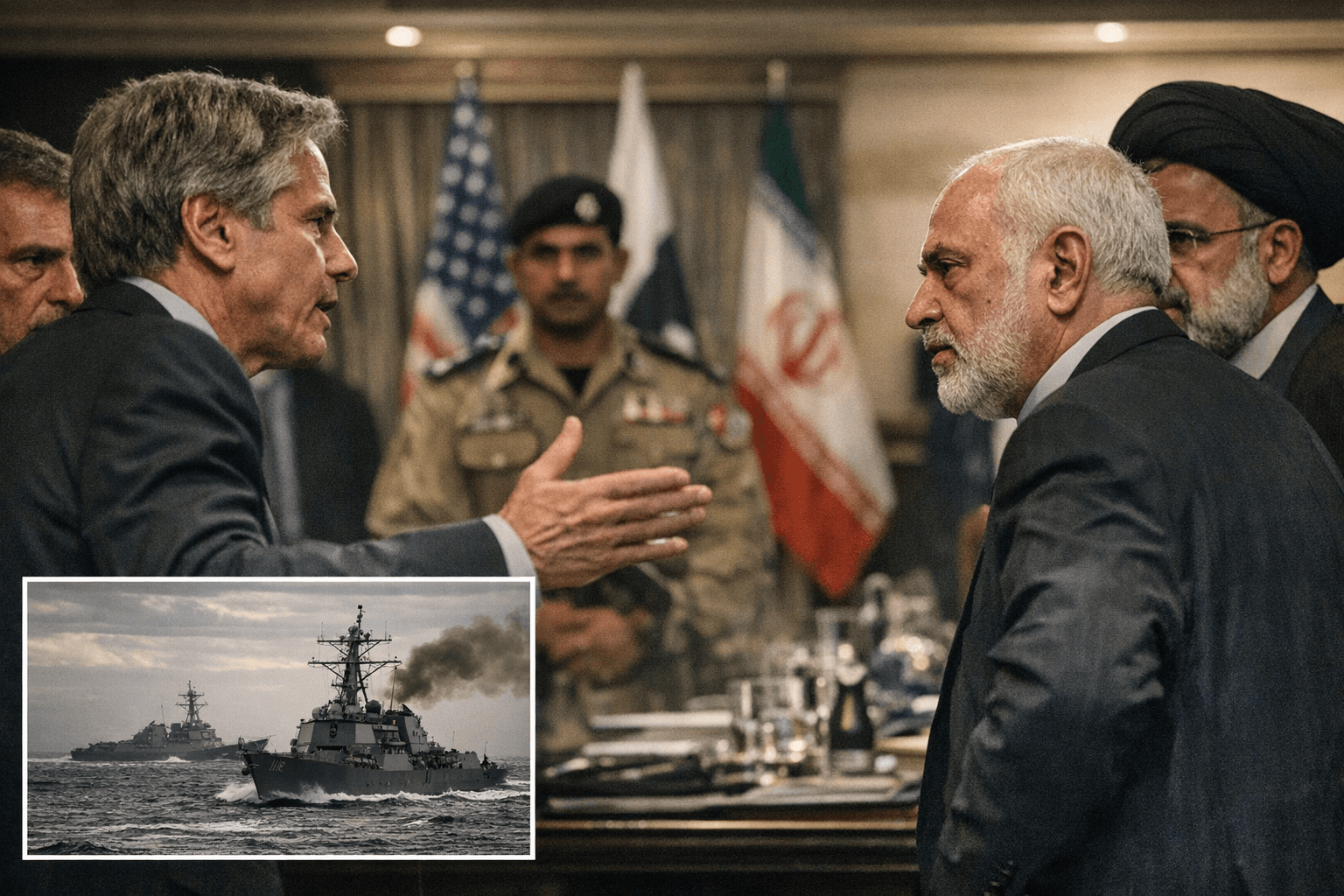
The White House emerged from Islamabad with no deal and a rapidly narrowing set of choices, after 21 hours of talks ended early Sunday with Iran refusing to accept a U.S. demand for an affirmative pledge not to seek a nuclear weapon or the means to quickly obtain one. Vice President J.D. Vance said the administration had put forward its “final and best offer” and was left waiting for a concession Tehran would not make.
Vance said he stayed in constant contact with President Donald Trump throughout the negotiations and also spoke repeatedly with Secretary of State Marco Rubio, Treasury Secretary Scott Bessent and Adm. Brad Cooper of U.S. Central Command. The U.S. delegation in Islamabad included Steve Witkoff and Jared Kushner, while Iran was represented by Parliament Speaker Mohammad Bagher Qalibaf and Foreign Minister Abbas Araghchi. Pakistani leaders, including Prime Minister Shehbaz Sharif, served as hosts and mediators as the talks stretched through the night.
The collapse puts a fragile ceasefire, announced earlier in the week, under fresh strain just as the Strait of Hormuz remains the most dangerous pressure point in the region. U.S. Central Command said two guided-missile destroyers, USS Frank E. Petersen and USS Michael Murphy, transited the strait as part of a push to establish a new passage for commercial shipping and set conditions for mine-clearing operations. Cooper said a safe pathway would be shared with the maritime industry to encourage commerce, even as reports continued to describe Iranian interference with traffic in the waterway.
The decision facing the White House now is stark. Renewed diplomacy could preserve leverage and keep allies onside, but it would also signal that Washington is willing to keep negotiating after Tehran rejected the central U.S. demand. Tighter pressure, through sanctions and a more aggressive maritime posture, could raise the cost for Iran, but it risks deepening friction with partners who want the shipping lane reopened and markets stabilized. Military escalation could force a faster response, yet it would carry the highest risk to regional stability, the ceasefire and the global energy trade that moves through the Persian Gulf and Gulf of Oman.
Tehran’s own demands showed how wide the gap remained. Reporting attributed to Tasnim News Agency said Iran presented Pakistani mediators with four “non-negotiable conditions,” including full sovereignty over the Strait of Hormuz, war reparations and unconditional release of blocked assets. Iranian state-linked outlets blamed the U.S. for “excessive” demands, while Tehran also signaled before Vance spoke that talks would continue and technical experts would exchange documents, a reminder of how fast the messaging shifted.
The talks marked the highest-level direct U.S.-Iran engagement in decades, and they came against a grim regional toll. Human Rights Activists in Iran estimated that nearly 3,400 people had been killed overall, including more than 1,600 civilians, alongside deaths reported in Lebanon, Israel and among U.S. service members. With no breakthrough in Islamabad, the next move will test whether Washington still has room to negotiate, or whether the region is sliding toward a more dangerous phase.
Know something we missed? Have a correction or additional information?
Submit a Tip