U.S., Israeli officials eyed Ahmadinejad as postwar Iran leader
An Israeli strike meant to spring Mahmoud Ahmadinejad from house arrest instead wounded him, exposing a plan to recast Iran’s leadership after wartime blows.
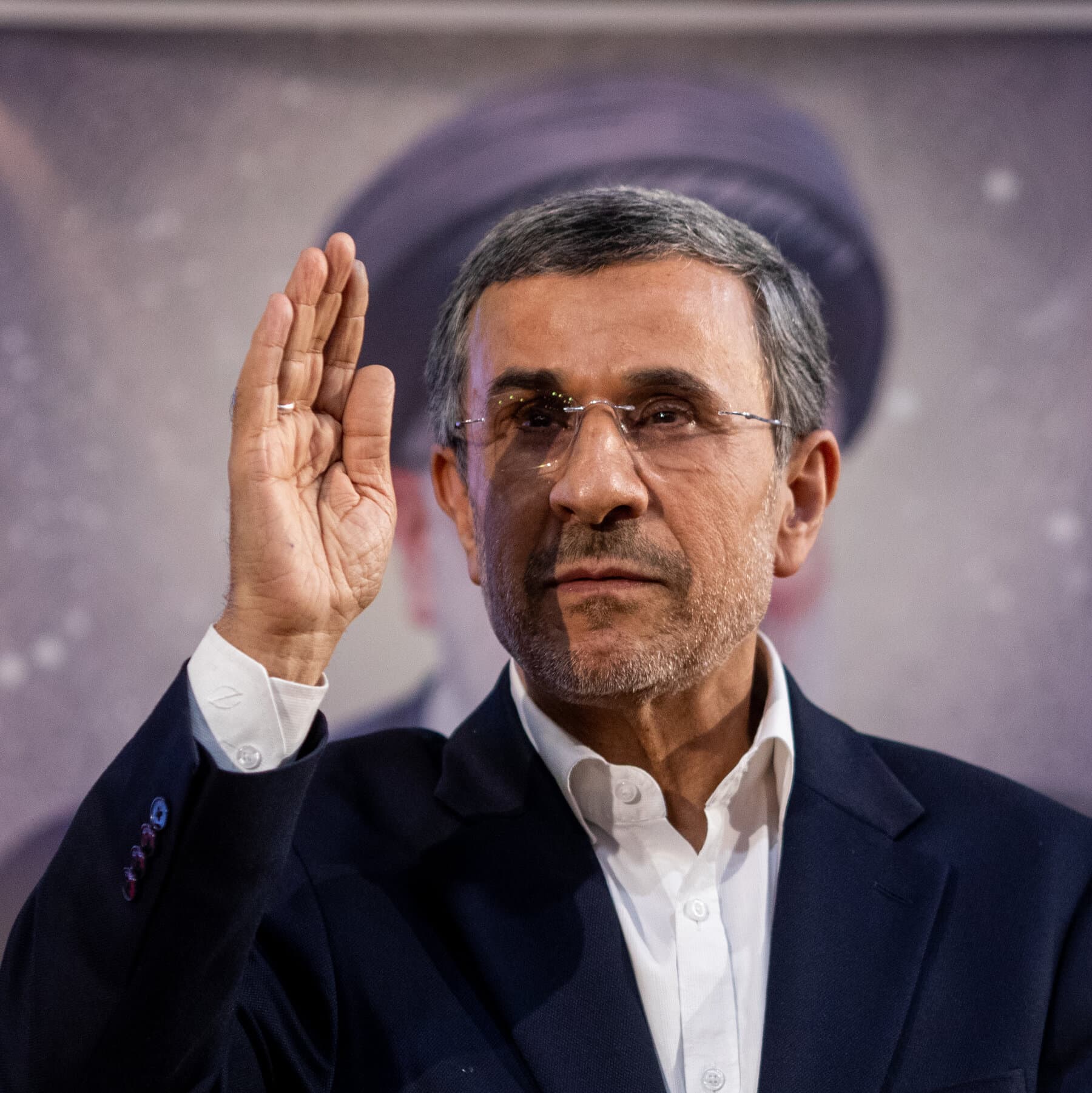
U.S. officials said an Israeli strike on Mahmoud Ahmadinejad’s home in Tehran was not just aimed at freeing the former president from house arrest. It was part of a broader effort to change Iran’s government and put him in power after the killing of Supreme Leader Ali Khamenei and other senior officials in the opening phase of the war.
The strike was reportedly designed to kill the guards outside Ahmadinejad’s residence in the Narmak district and spring him from confinement. Instead, Ahmadinejad was injured and the larger plan quickly unraveled. Officials quoted in the reporting said Ahmadinejad had been consulted about the idea, but he later grew wary and became disillusioned with the regime-change project. His current whereabouts and condition were reported as unknown, and he had not been seen publicly since.
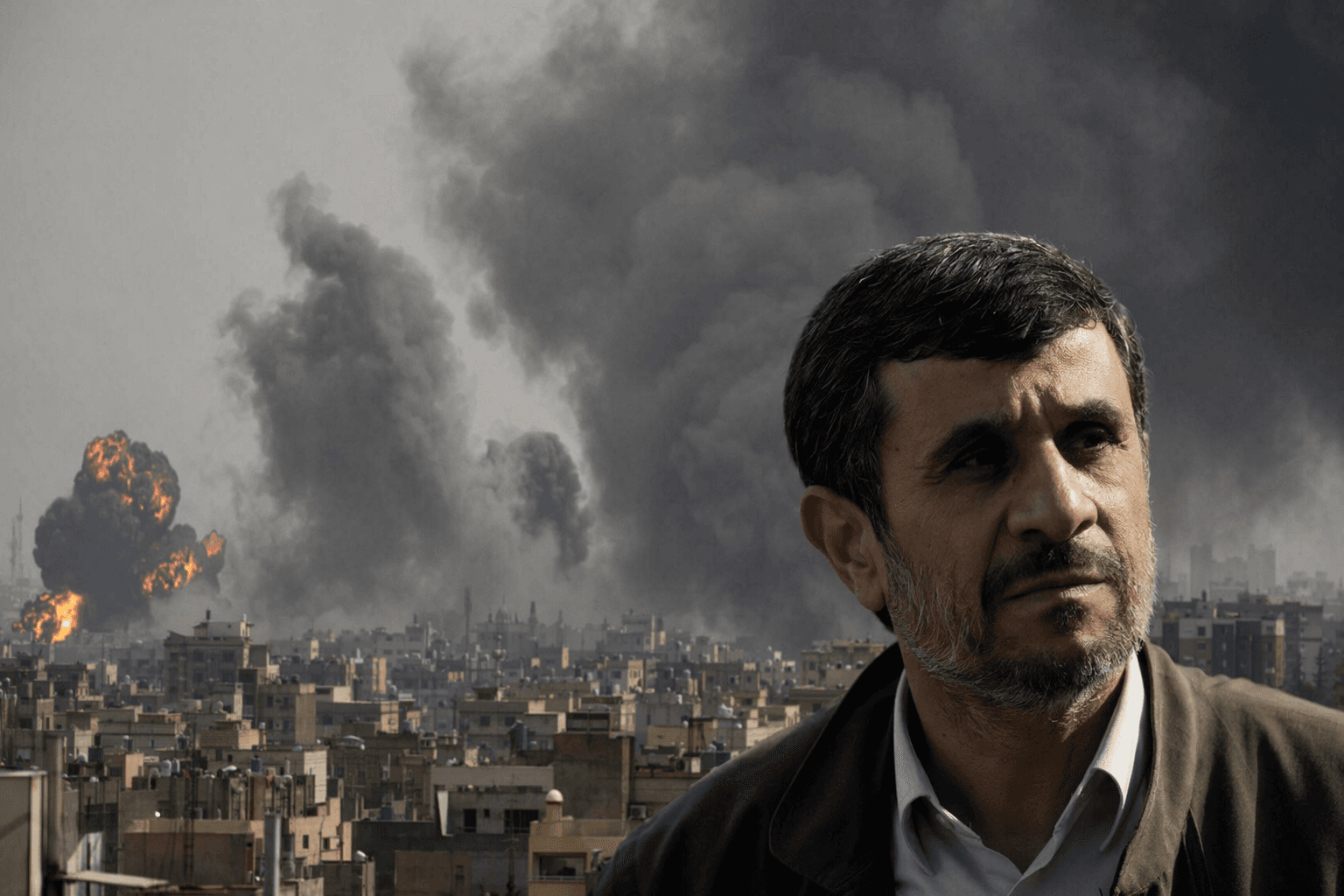
The proposal was striking because Ahmadinejad was no liberal exile waiting to be restored by outside powers. He served as Iran’s president from 2005 to 2013, became known for anti-American and anti-Israel rhetoric, and backed Iran’s nuclear program. He also turned into a critic of Iran’s ruling establishment, accusing officials of corruption, which made him an unusual but seemingly usable figure for Israeli planners looking for a postwar face in Tehran.
The plan sat at the center of a much larger gamble. Israeli and U.S. officials had floated Ahmadinejad as a possible postwar leader in a scenario built around decapitating Iran’s senior leadership, including Ali Khamenei, and then engineering a new political order from the outside. That approach exposed the gap between public claims about military objectives and a covert push for regime change, a gap that has repeatedly defined U.S. and Israeli thinking on Iran.
Donald Trump complicated that picture in public comments on March 3, 2026, when he said “someone from within” Iran might be best placed to lead after the military campaign ended. The line suggested support for an internal solution even as the war machinery pointed in a different direction.
The stakes reached back to the foundations of the Islamic Republic. Iran’s 1978-79 revolution toppled the monarchy and established the Islamic Republic on February 11, 1979. The hostage crisis that began on November 4, 1979, when 66 Americans were seized at the U.S. embassy in Tehran and 52 were held for more than a year, poisoned relations for decades and left regime change in Iran as a politically explosive idea with a long record of blowback.
Know something we missed? Have a correction or additional information?
Submit a Tip