U.S. Launches Airstrike in Sokoto State, Trump Calls It Powerful
The United States carried out an airstrike in northwest Nigeria, U.S. officials and President Trump said, at the request of Nigerian authorities. The action raises questions about verification, regional security, and the broader trajectory of U.S. military involvement in West Africa.

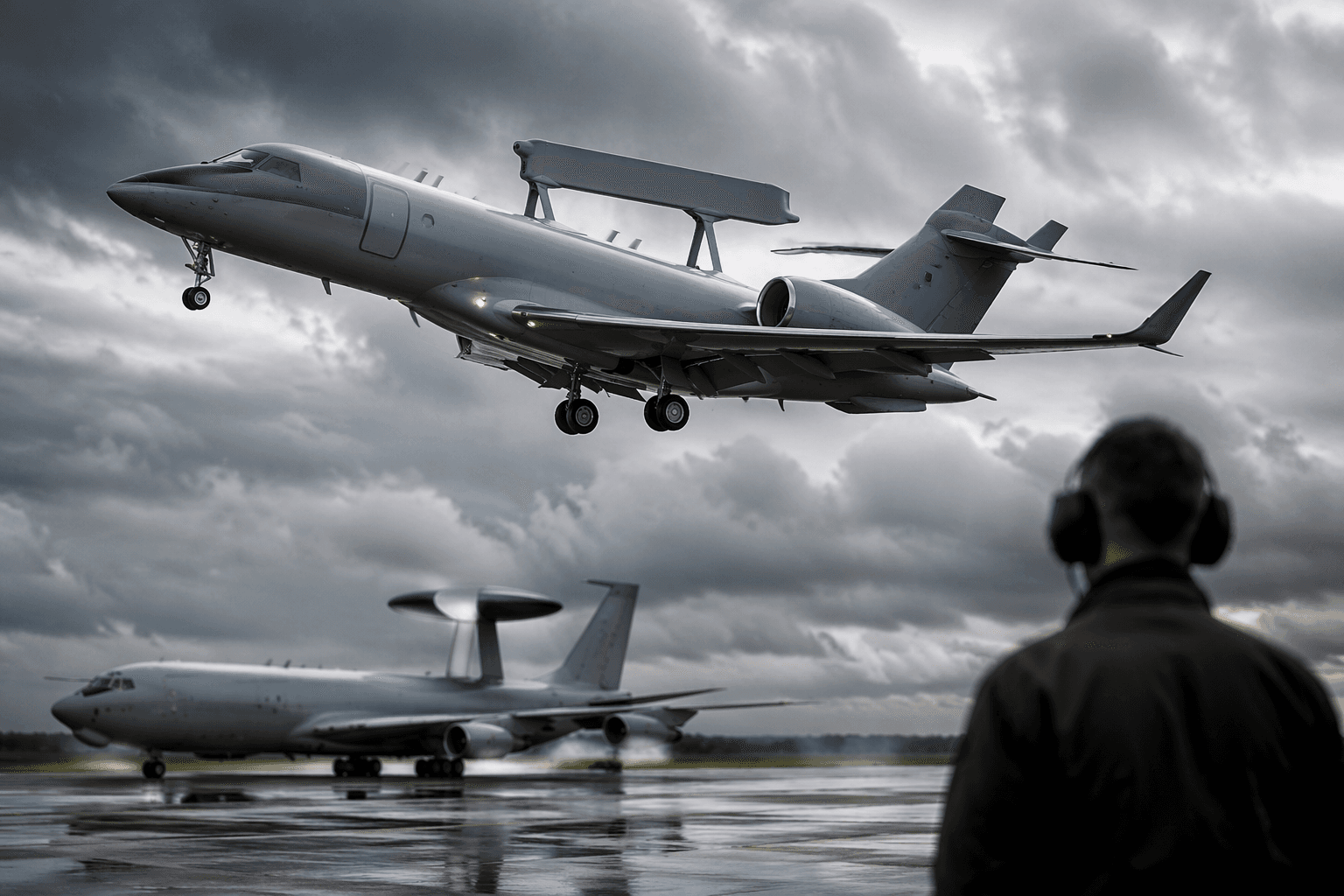
The United States carried out at least one airstrike against Islamic State linked militants in Sokoto State in northwest Nigeria, U.S. officials announced late on Thursday. President Donald Trump posted on his Truth Social account that he ordered the operation, writing, “Tonight, at my direction as Commander in Chief, the United States launched a powerful and deadly strike against ISIS Terrorist Scum in Northwest Nigeria, who have been targeting and viciously killing, primarily, innocent Christians, at levels not seen for many years, and even Centuries!” The strike was described by U.S. Africa Command as having been conducted at the request of, and in coordination with, Nigerian authorities.
AFRICOM posted that it “conducted a strike at the request of Nigerian authorities in [Sokoto] State killing multiple ISIS terrorists.” A U.S. official told Reuters that the strikes had “killed multiple targets,” though no precise casualty figures were provided. Wire services and the command stressed that reporting was initial and that independent, on the ground verification had not been completed.
Local accounts collected by journalists offered a mixed picture. Security operatives cordoned off parts of the area, and residents in at least one village told reporters they saw no casualties and that the village had not previously suffered attacks, while neighboring communities have experienced violence in recent months. Nigerian authorities confirmed the operation was a joint collaboration with U.S. forces and have not yet released a detailed post strike assessment identifying the militants targeted by name.
The action follows Mr. Trump’s November order to prepare U.S. forces for possible operations in Nigeria to tackle Islamist militant groups, a move that signaled a more direct American posture toward insurgencies in the Sahel and Lake Chad basin. Analysts say the strike could mark a substantive shift in Washington’s approach, from advisory and intelligence support to selective kinetic operations in partnership with local governments.

Beyond the immediate tactical objectives, the strike raises policy and geopolitical questions. Officials must reconcile variant early place name spellings in dispatches and provide independent verification of who was targeted and what intelligence supported the action. The U.S. rationale, which emphasized protection of Christians, was echoed in media accounts linking the move to U.S. measures aimed at addressing severe violations of religious freedom, an angle likely to shape domestic political debates about the intervention.
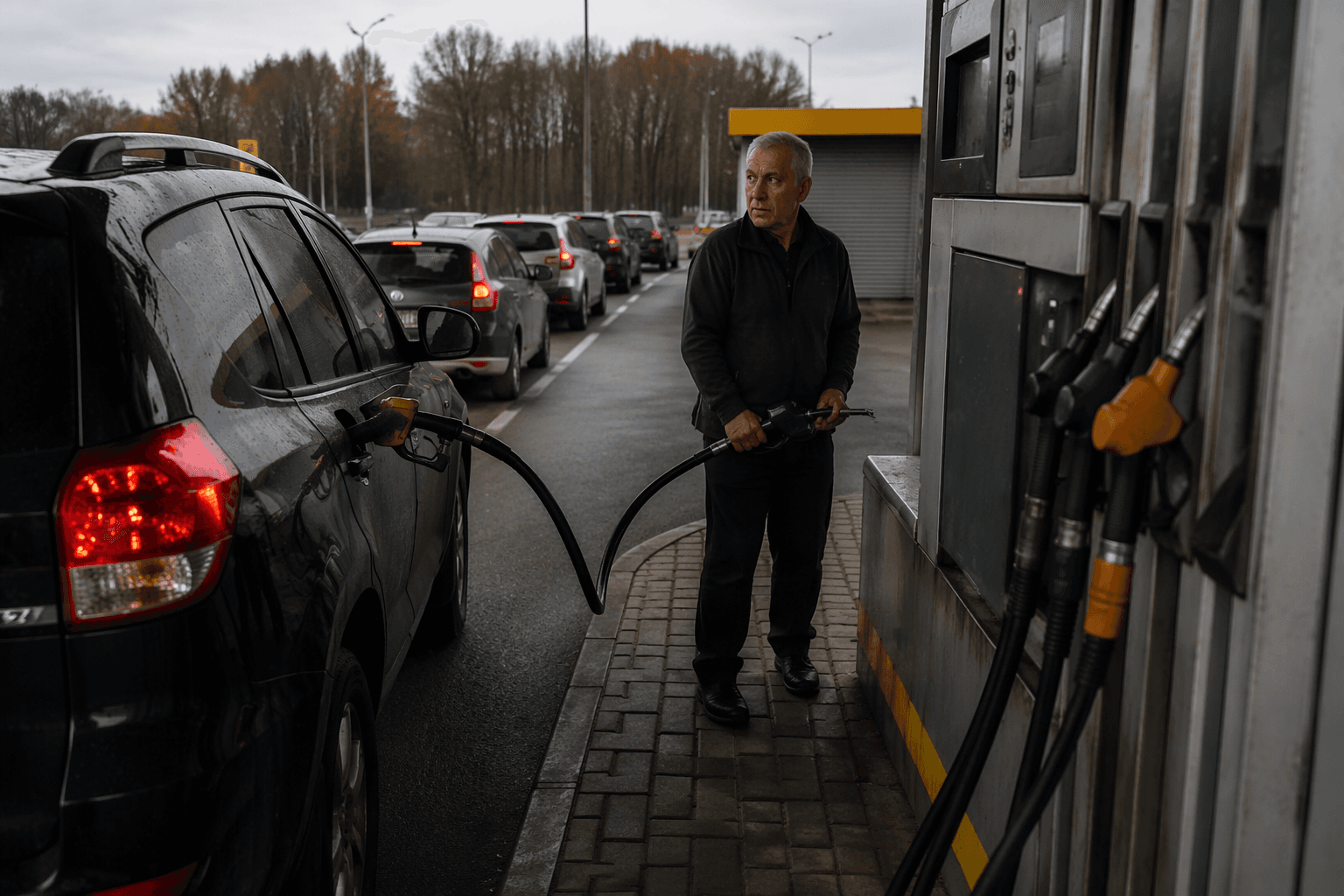
Economically the direct impact on markets should be limited, given that Sokoto is not a petroleum producing region, but the strike could affect investor perceptions of risk in West Africa. Nigeria is Africa’s largest oil producer and sustained insecurity can raise risk premia for investors, increase costs for insurers and energy companies operating in the region, and complicate the economic recovery of communities already facing humanitarian strain.
For now the principal unknowns remain the number and identity of those killed, the precise locations struck, and the Nigerian government’s forthcoming assessment. Follow up reporting will need independent on the ground verification, detailed casualty assessments from Nigerian and U.S. authorities, and clarification of the legal and operational parameters that guided the strike.
This article was produced by Prism’s automated news system from verified source data, official records, and press releases, then run through automated quality and moderation checks before publishing. The system is built and supervised by the people who set the standards it runs under. Read our full AI policy.
Did this article answer your question?