U.S. launches second day of strikes on Iran amid retaliation
U.S. strikes on Iran entered a second day as Tehran hit back at bases in the Gulf, sending alarms through Kuwait, Bahrain and Jordan.
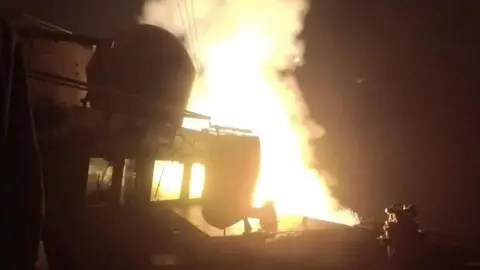
The confrontation between the United States and Iran widened sharply as U.S. Central Command launched another round of airstrikes and Iran answered with threats against American bases across the Gulf. The latest U.S. attack began at 5:15 p.m. ET and was carried out at President Donald Trump’s direction as “self-defense strikes,” after earlier hits on Iranian radar and air-defense sites near the Strait of Hormuz.
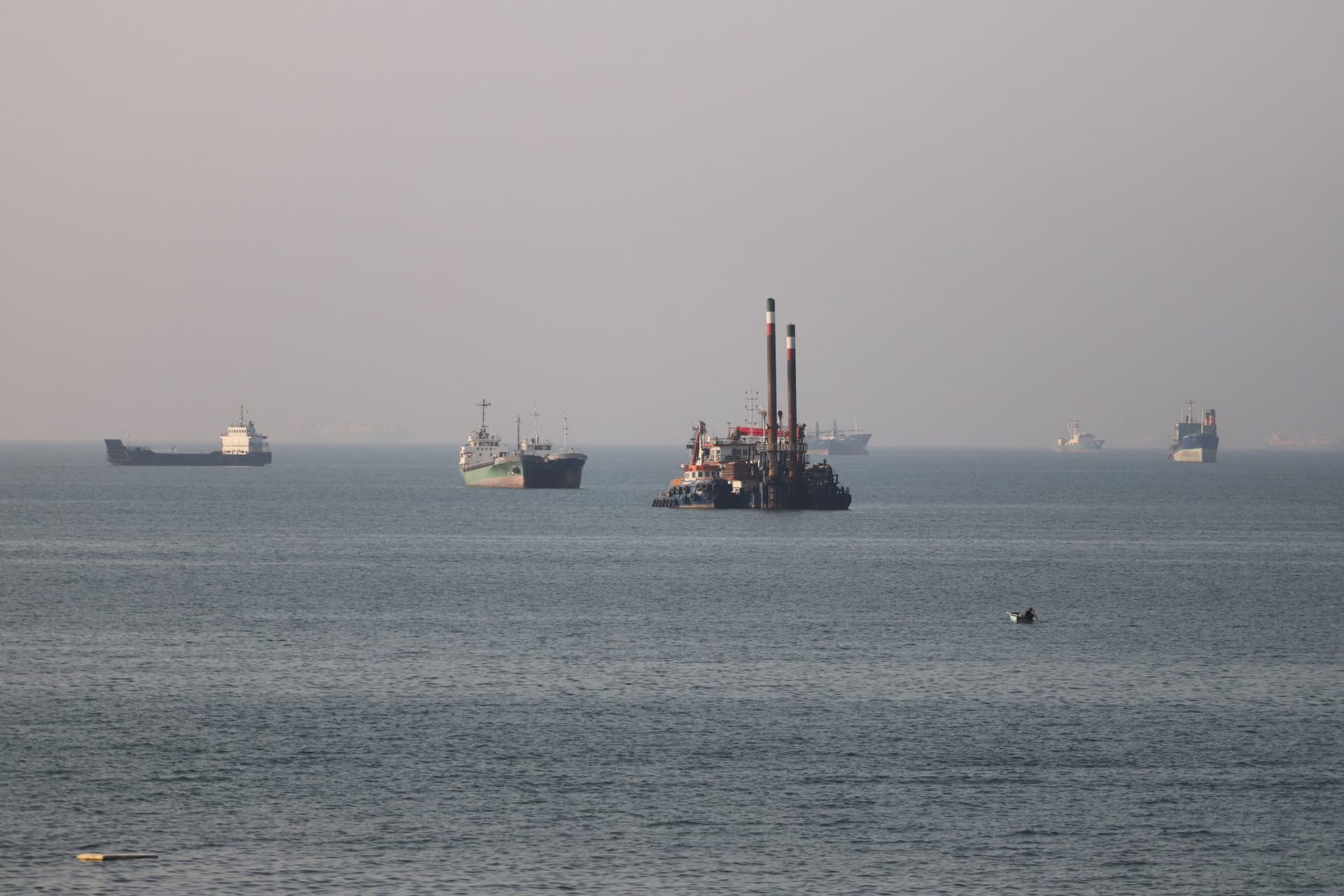
Those earlier strikes targeted coastal positions reported at Goruk and Qeshm Island, part of a campaign U.S. officials tied to Iranian drones and missiles threatening maritime traffic and U.S. forces. The focus on the Strait of Hormuz matters far beyond the battlefield: any disruption there could rattle shipping lanes that carry a major share of the world’s oil and deepen pressure on energy markets.
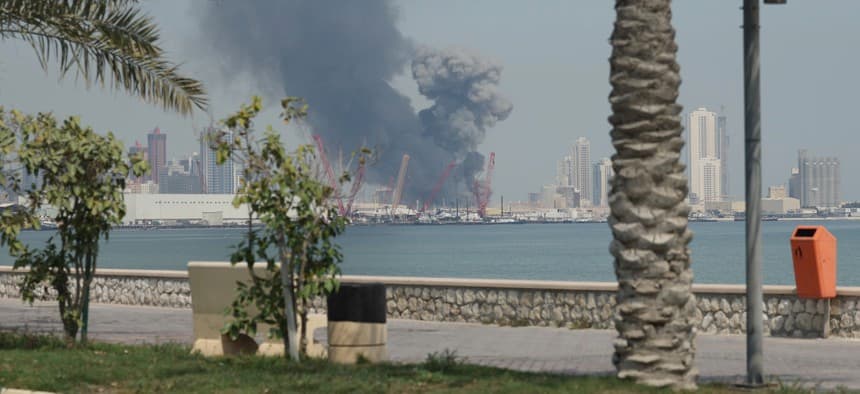
Iran responded by saying it had targeted U.S. bases in Bahrain, Kuwait and Jordan. Iran’s Revolutionary Guards said they struck a U.S. base in Jordan and 21 other targets in the Gulf, while the Jordanian military said it intercepted five Iranian missiles. Kuwait activated its air defenses and Bahrain sounded alarms as the retaliation unfolded, underscoring how quickly the fighting has put U.S. partners on edge.
Kuwait’s Foreign Ministry called the attacks a “dangerous escalation,” a sign of the regional anxiety that now surrounds the exchanges. U.S. and allied forces said no U.S. personnel were harmed in at least some of the earlier missile attacks, but the repeated targeting of American positions has raised the risk of a direct hit on service members and of a wider exchange involving host nations from Bahrain to Jordan.
The latest violence has come amid an already fragile ceasefire and ongoing efforts to reach a deal to end the war, with the current conflict described as one of the biggest exchanges in hostilities between the United States and Iran since a ceasefire in April. Trump warned Iran it would have to “pay the price” and said Tehran had “taken too long to make a deal,” signaling that Washington sees continued military pressure as part of its response.
The danger now is that each strike invites another, pulling more U.S. bases, more Gulf states and more commercial shipping into the line of fire. If the escalation continues around the Persian Gulf and the Strait of Hormuz, the consequences would reach far beyond the region and straight into American security and the global economy.
This article was produced by Prism’s automated news system from verified source data, official records, and press releases, then run through automated quality and moderation checks before publishing. The system is built and supervised by the people who set the standards it runs under. Read our full AI policy.
Know something we missed? Have a correction or additional information?
Submit a Tip