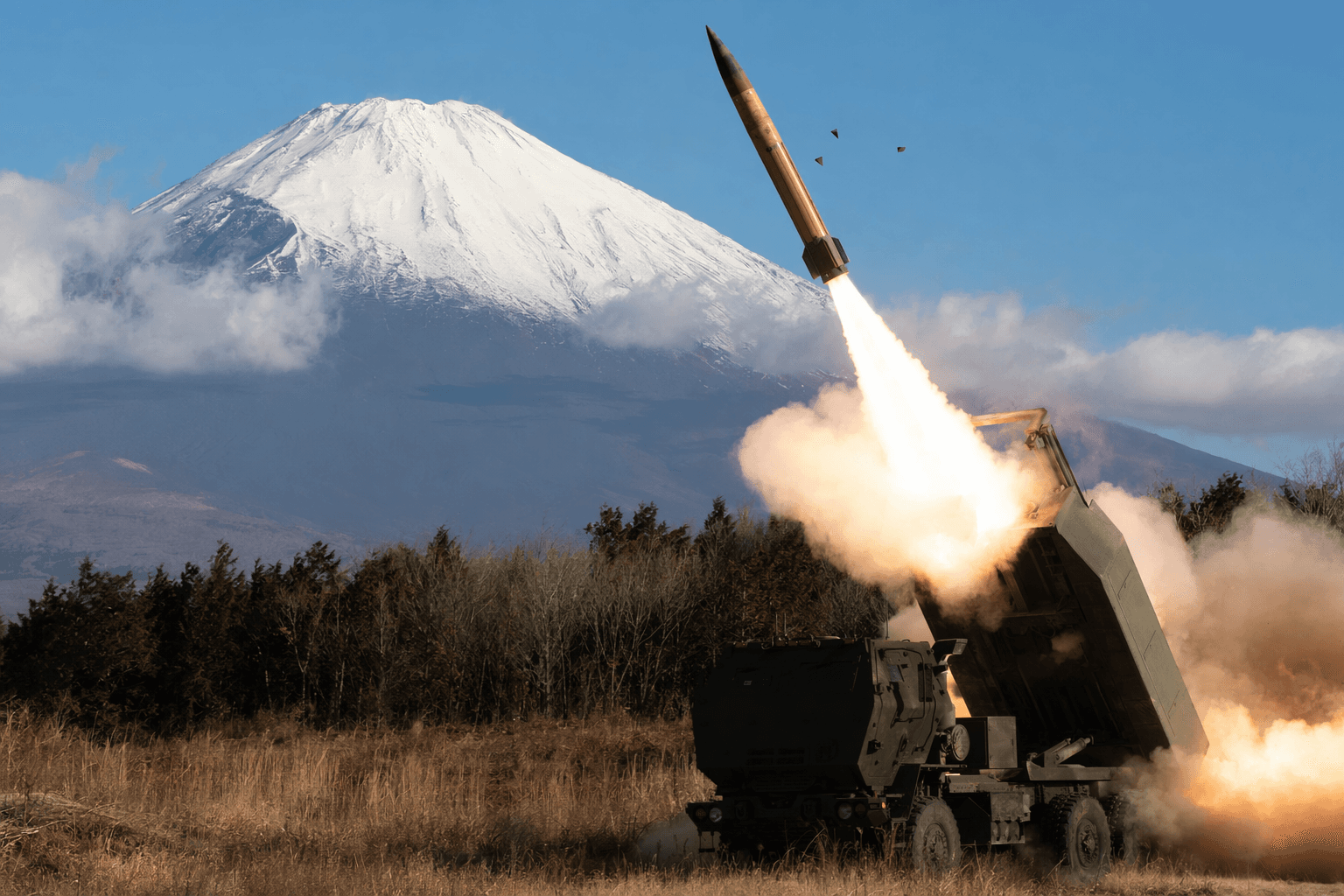
U.S. Marines test HIMARS rockets near Mount Fuji in Japan
U.S. Marines fired 12 training rockets from a HIMARS launcher near Mount Fuji, underscoring Japan’s growing role in Pacific strike planning.

A mobile launcher at the foot of Mount Fuji sent a dozen training rockets downrange, a live-fire drill built around speed, concealment and the ability to move before an enemy can answer. For U.S. planners, the point was not just accuracy. It was the message that long-range fires can be pushed forward, used quickly and pulled back before counter-battery fire can find them.
The exercise took place Wednesday, May 20, 2026, at Camp Fuji, also known as Combined Arms Training Center Camp Fuji, near Gotemba in Shizuoka prefecture, about a two-hour drive from Tokyo. It was only the second time HIMARS had been tested there, and it was carried out in close coordination with Japanese military forces. A public road between the firing point and the impact area was closed as a precaution while the Marines fired dummy projectiles rather than operational warheads.
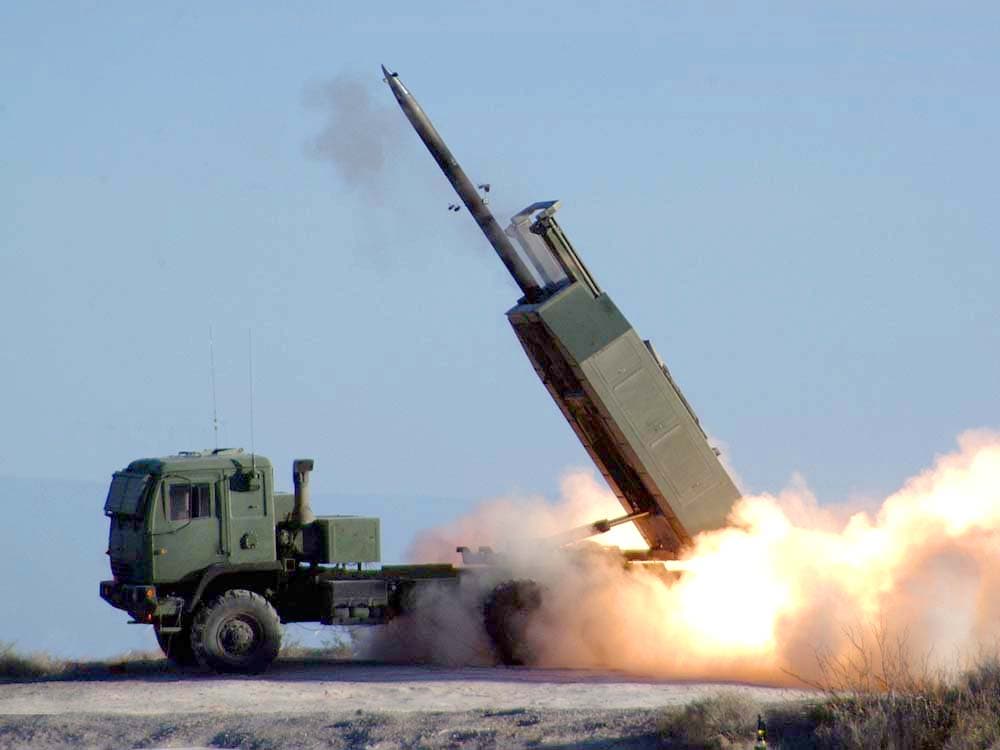
HIMARS, the High Mobility Artillery Rocket System, has become central to the Marine Corps’ evolving approach to a fast-moving fight in the Pacific. Mounted on a truck, the launcher can fire six rockets in about 45 seconds and then relocate, a “shoot and scoot” method designed to reduce the chance of being targeted by drones, artillery or missiles. The same system has already been used by U.S. forces in Iraq and Afghanistan, and U.S. Central Command has said it was used in the opening attack on Iran with a newer precision-guided rocket that could strike targets hundreds of miles away.
That mobility matters most in the Pacific, where dispersed islands and long distances reward systems that can appear, strike and disappear. In that setting, Japan is not just a host nation. It is a critical launch platform. HIMARS armed with the latest missiles could reach targets in the Taiwan Strait if deployed on Japanese or nearby islands, giving U.S. forces a way to complicate any Chinese attack plan and reinforce deterrence without permanently stationing heavy forces in one place.
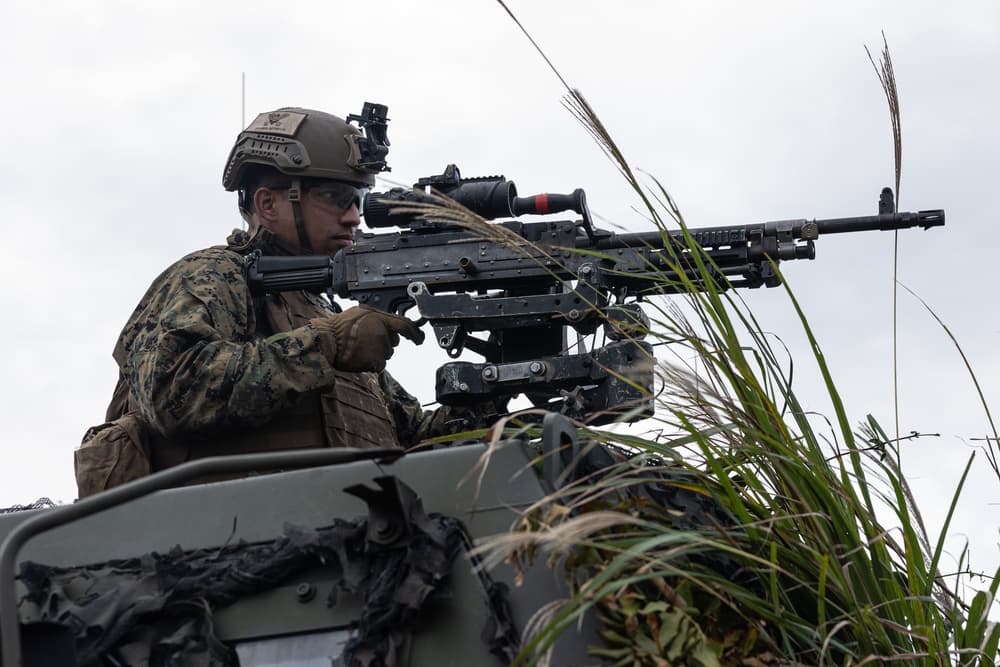
The Camp Fuji firing also extended a milestone set on Oct. 27, 2025, when Marines from the 3rd Battalion, 12th Marine Regiment, 3rd Marine Division carried out the first HIMARS live-fire there. U.S. Forces Japan described that exercise as historic and a turning point in U.S. defense, saying it capped 12 years of planning and coordination between the United States and Japan. Camp Fuji has served as a Marine Corps training site since 1953, and the 3rd Battalion, 12th Marine Regiment, the Marine Corps’ only forward-deployed artillery unit, has been refining HIMARS Rapid Infiltration tactics that call for a unit to insert quickly, seize key terrain, fire and move to a secure location.
Taken together, the drills near Mount Fuji show how the U.S. is preparing for a conflict that could turn on speed, geography and allied access. In the Pacific, the launcher’s value lies not only in what it can hit, but in how fast it can get there, fire and vanish.
Know something we missed? Have a correction or additional information?
Submit a Tip