U.S. Moves to Block Iranian Ships in Vital Strait of Hormuz Route
A U.S. blockade of Iranian shipping in the Strait of Hormuz is colliding with a route that carries about 20% of the world’s oil.
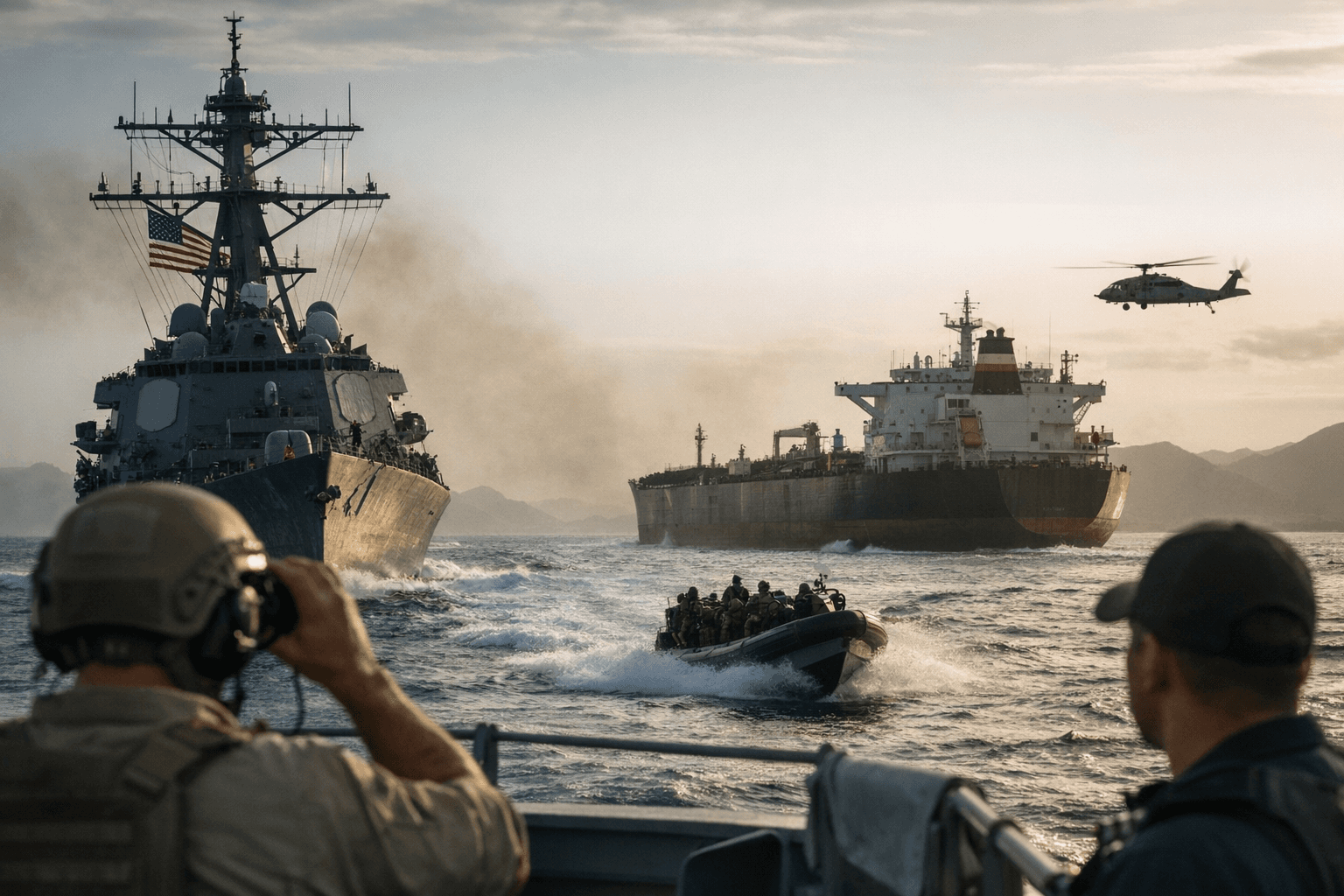
Blocking Iranian ships in the Strait of Hormuz sounded direct in Washington, but the waterway’s narrow lanes, heavy traffic and legal limits made it far harder to carry out. The White House wants to choke off Tehran’s oil export revenue, yet even a partial disruption in this corridor can ripple through global fuel markets within hours.
A real naval blockade is not just a warning over the radio. Under the 1909 Declaration of London, it has to be declared and notified to be binding, and the force imposing it has to be able to hold the line in practice. That is difficult in the Strait of Hormuz, between Iran and Oman, where the channel is only about 29 nautical miles wide at its narrowest point and is split into two 2-mile shipping lanes with a 2-mile buffer zone.
The economic stakes are enormous. In 2024, oil flow through the strait averaged about 20 million barrels per day, roughly 20% of global petroleum liquids consumption. The U.S. Energy Information Administration said flows in the first half of 2025 averaged 20.9 million barrels a day, underscoring how central the route remained to world supply. Any sustained interruption would be expected to push up crude and freight costs first, then filter into higher prices for fuel, shipping and everyday goods paid by U.S. consumers.
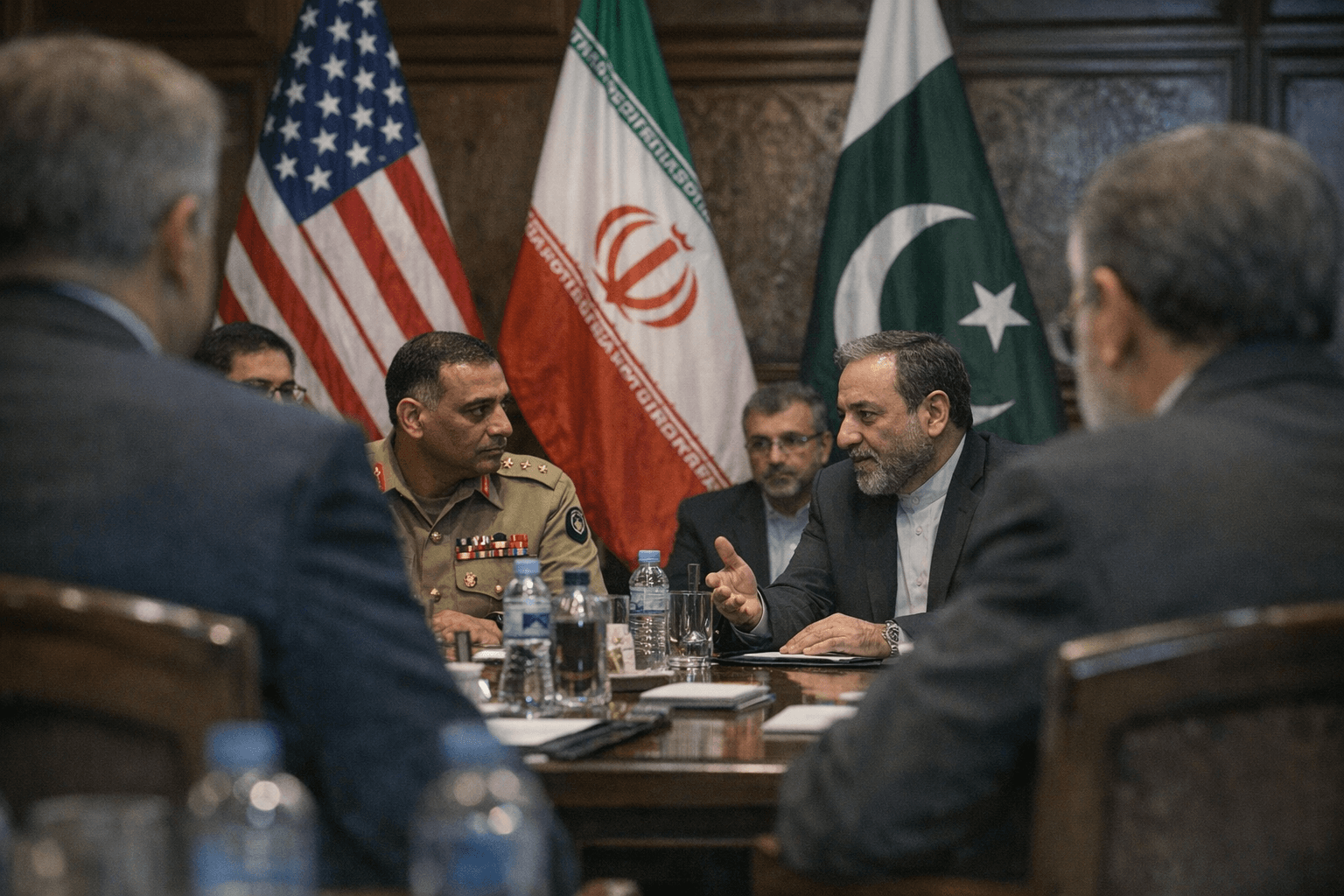
The blockade came after weeks of rising U.S.-Iran tensions and failed diplomacy. The U.S. Navy announced on Monday, April 13, 2026, that it would block Iranian ships entering or exiting the strait after the first round of negotiations in Islamabad ended without agreement. A week earlier, the United Nations Security Council failed to adopt a resolution to protect commercial shipping in the strait after China and Russia vetoed it, leaving no multilateral security plan in place before Washington acted on its own.
Early enforcement showed how uneven a blockade can be. Six merchant ships turned back in the first 24 hours, and no ship got through in that opening period. But later reporting said at least two vessels still crossed on the first full day of U.S. enforcement, including a Chinese-owned tanker under U.S. sanctions. Iran has also floated a proposal that would let ships pass along the Omani side without risk of attack, a sign that the fight now extends beyond warships to the rules that govern commerce in one of the world’s most dangerous waterways.
Know something we missed? Have a correction or additional information?
Submit a Tip