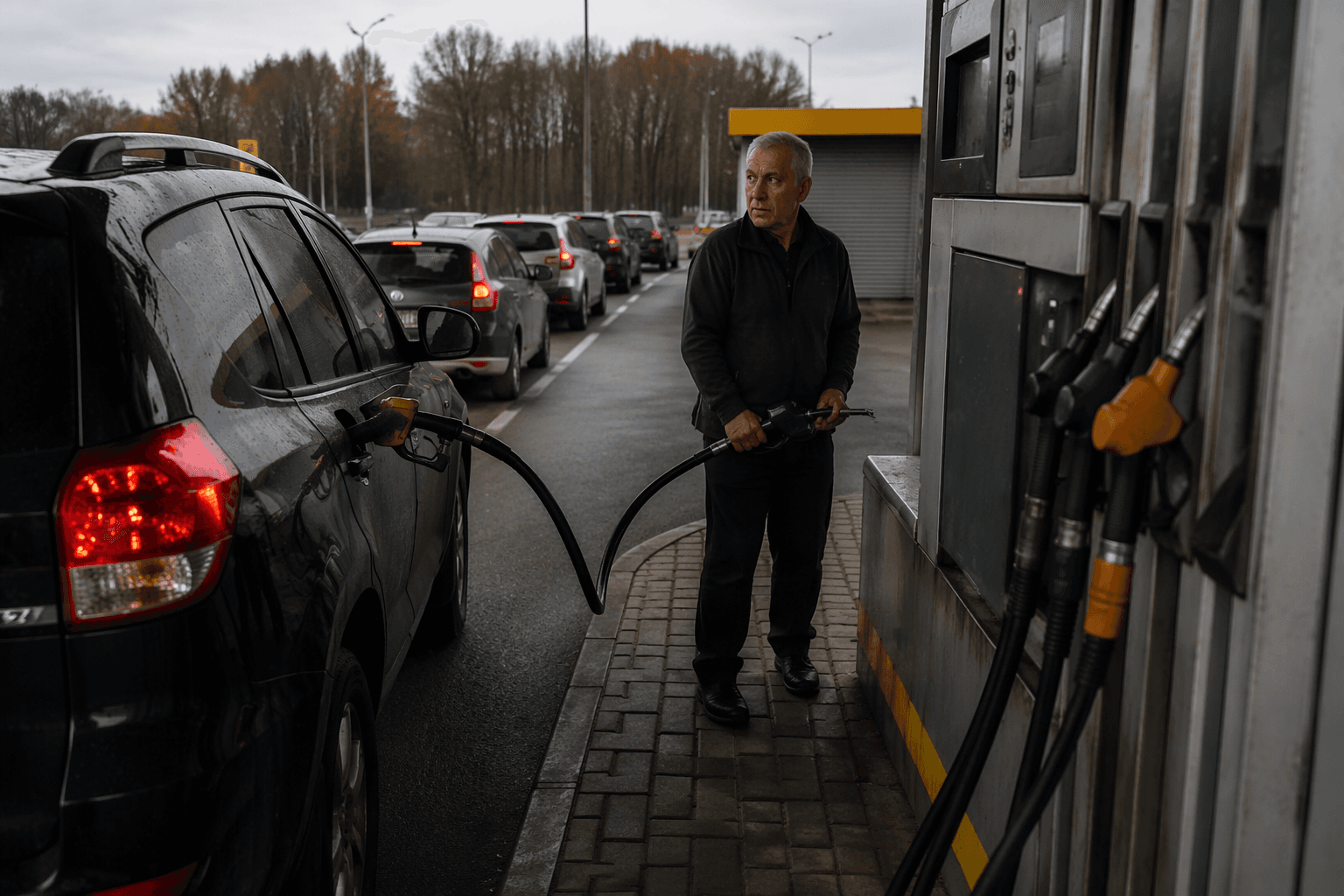
U.S. Navy blockade of Strait of Hormuz raises legal, strategic questions
More than 10,000 U.S. service members and a dozen warships were brought into the Strait of Hormuz standoff, but only six merchant ships turned back on day one.
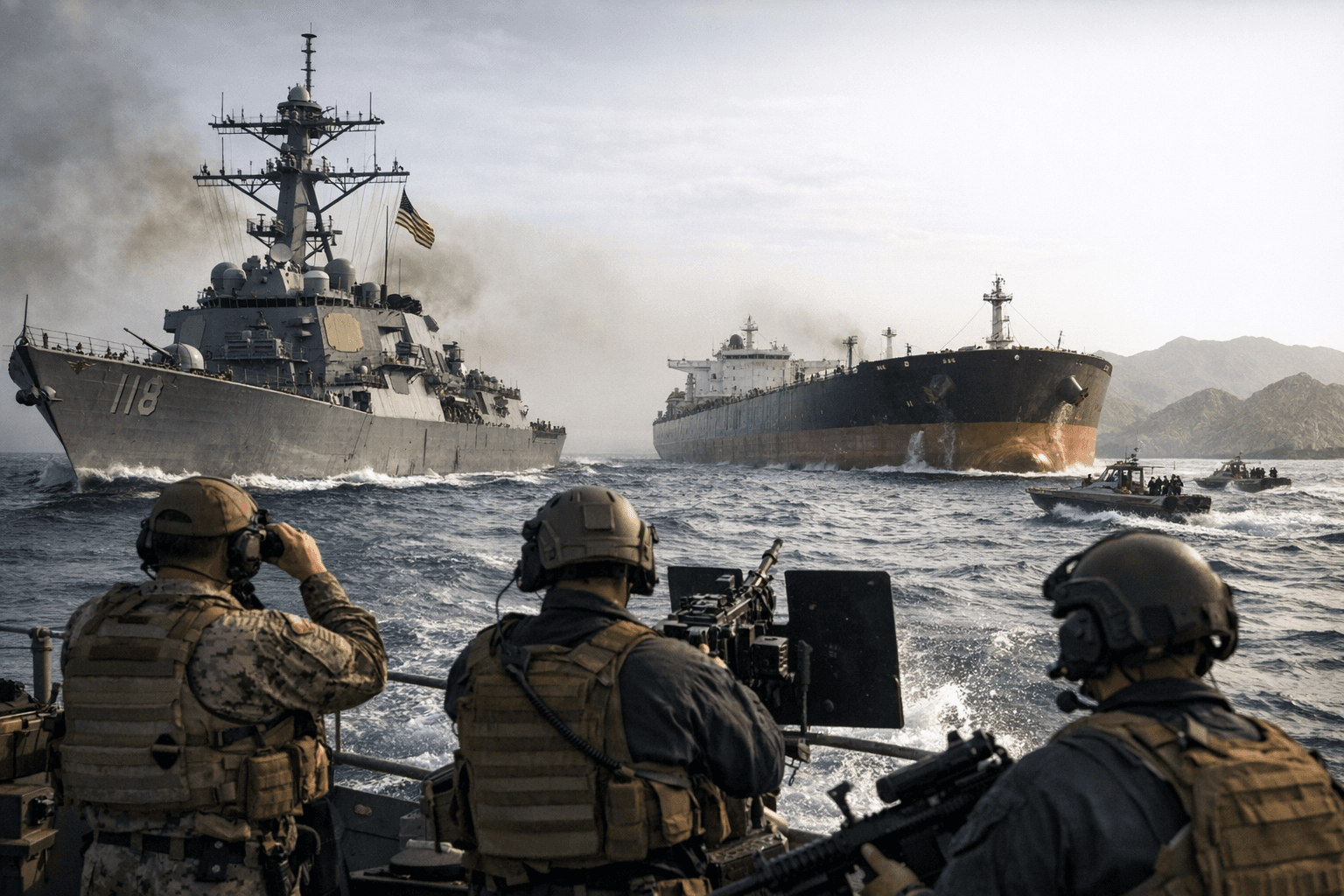
The U.S. Navy’s blockade of Iranian ships in the Strait of Hormuz moved fast enough to shake traffic, but not fast enough to settle the bigger question of whether Washington can actually enforce it in real time. After talks in Islamabad, Pakistan, failed on Monday, April 13, the United States announced that it would block Iranian ships entering or leaving the waterway, a narrow corridor just about 21 miles across at its tightest point.
The military said the operation involved more than 10,000 sailors, Marines and airmen, with more than a dozen warships available in the region, including the amphibious assault ship USS Tripoli. U.S. Central Command said vessels going to or from Iran, including Iranian ports on the Gulf and the Gulf of Oman, could be intercepted, diverted and captured if they entered or exited the blockaded area without authorization. By the end of the first day, six merchant vessels had turned back in compliance, while maritime trackers saw at least seven ships initially reverse course, with four later resuming their routes.
That stop-and-go response captures the basic problem. The Strait of Hormuz is treated under international maritime law as an international passage open to all ships, even as Iran argues the waterway is made up of Iranian and Omani territorial waters. United Nations Secretary-General António Guterres urged all parties to respect freedom of navigation and warned that some 20,000 seafarers remained stranded in the Persian Gulf, facing worsening hardships. Allies were left trying to decipher the scope of the operation, and U.S. officials were said to be weighing how to respond if Iran allowed more vessels through to overwhelm the blockade, or if ships from China or Russia tried to test it.
Military analysts have said the waterway is one of the hardest places in the world to police. The Strait of Hormuz is crowded, flanked by Iranian territory and exposed to missiles and drones, which means any sustained blockade would depend on persistent intelligence, surveillance and reconnaissance, backed by destroyers, carrier air wings, P-8 Poseidon patrol aircraft and unmanned systems. In practice, the effort looks less like a close cordon than a distant blockade, one that relies on warning, tracking and the threat of interception as much as on actual boardings.
The stakes reach far beyond naval doctrine. More than one-fifth of the world’s oil and gas passes through the strait, and more than 90% of Iran’s $109.7 billion in annual seaborne trade moves through it. CNBC estimated the blockade could cost Iran about $435 million a day. On April 15, the State Department added another layer of pressure, sanctioning elements of Mohammad Hossein Shamkhani’s oil smuggling network after earlier February action against 14 shadow-fleet vessels tied to Iranian petroleum trade. The current confrontation rests on a long history of U.S. restrictions dating back to 1979, and on the memory of the 1962 Cuban Missile Crisis quarantine, when Washington used a maritime cordon as a coercive tool. Whether this blockade holds will depend on force, allied backing and endurance, not precedent alone.
This article was produced by Prism’s automated news system from verified source data, official records, and press releases, then run through automated quality and moderation checks before publishing. The system is built and supervised by the people who set the standards it runs under. Read our full AI policy.
Did this article answer your question?