U.S. officials left unconvinced by France's National Rally economic plans
U.S. officials said National Rally’s pitch on deficits, investment and growth still sounded too vague to trust. The rebuke lands as Marine Le Pen’s party tries to look ready for 2027.
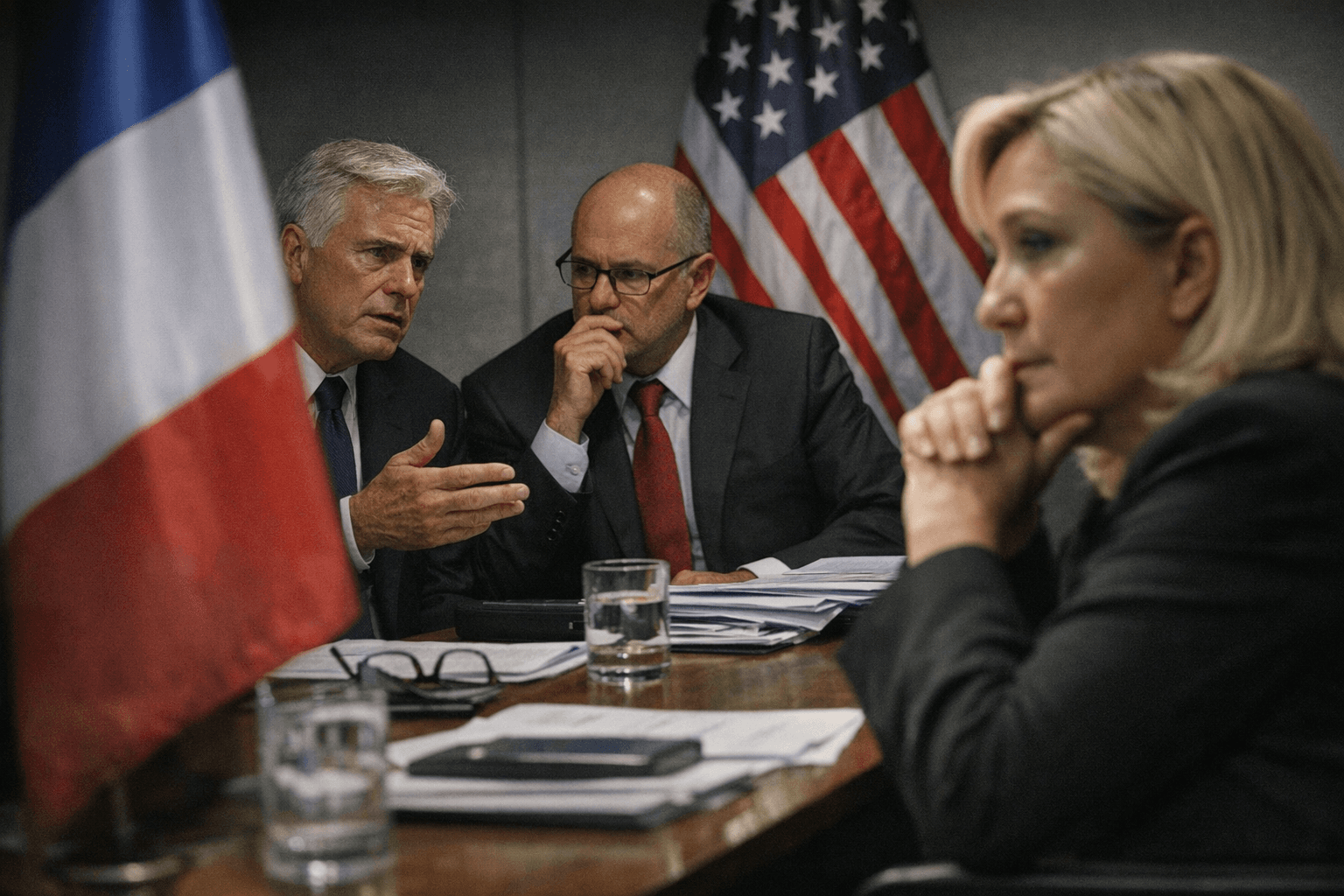
The test for France’s National Rally was not whether it could rally voters, but whether it could persuade foreign officials it had a serious economic program. After meetings with Marine Le Pen and Jordan Bardella, U.S. diplomats came away unconvinced, a setback for a movement trying to look ready to govern the euro zone’s second-largest economy.
U.S. Ambassador Charles Kushner and his team met with most of France’s likely presidential contenders across the political spectrum, including Le Pen and Bardella. But the party’s answers on how to cut a yawning deficit, win U.S. investment and revive growth were a concern for American officials. For a party that has spent years trying to soften its image, the reaction mattered less as a diplomatic aside than as a judgment on whether National Rally can move from protest politics to credible stewardship.
The doubts cut into National Rally’s broader effort to present itself as mainstream ahead of France’s presidential election in April 2027, with a possible second round two weeks later. The party is the largest in the French National Assembly, but it still faces skepticism from business leaders and investors who worry about its protectionist instincts, shifting positions on tax and pensions, and unresolved questions over how it would pay for its promises. A senior Bardella aide said the party is still developing its economic program, including possible structural reforms to France’s costly pension system.
That uncertainty has followed National Rally through months of outreach to France’s corporate elite. In February, executives and business leaders said they still could not pin down the party’s economic doctrine. They pointed to unclear plans for corporate taxation, unfunded commitments and changes in tone on pensions and taxes. Patrick Martin, who heads the MEDEF business lobby, said he could not say what National Rally’s economic doctrine was. The party’s stated priorities at the time centered on tax cuts, especially on energy, lower public spending, reducing France’s contribution to the European Union budget and reshaping welfare to favor French citizens.
Le Pen’s own political future adds another layer of uncertainty. A ban currently prevents her from running in 2027 because of a conviction for misusing European Union funds, though she is appealing. That leaves Bardella as a possible stand-in if needed, and makes questions about economic credibility even more urgent. For National Rally, the challenge is no longer only to win votes. It is to convince markets, allies and French voters that it can manage power without unsettling France’s already strained finances.
This article was produced by Prism’s automated news system from verified source data, official records, and press releases, then run through automated quality and moderation checks before publishing. The system is built and supervised by the people who set the standards it runs under. Read our full AI policy.
Did this article answer your question?