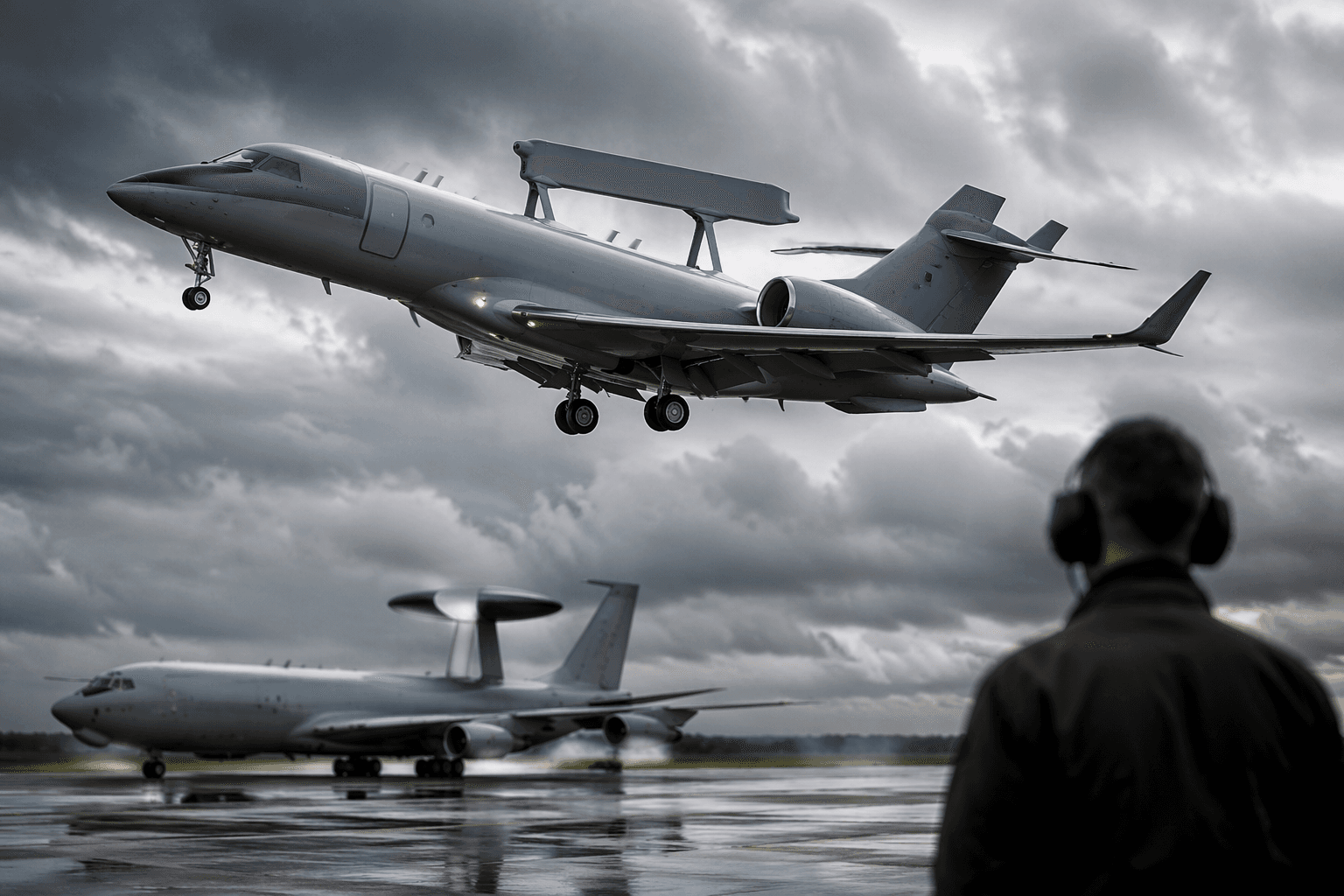
U.S. officials say Pakistan sheltered Iranian military aircraft from airstrikes
U.S. officials say Iranian military aircraft were parked at Pakistan’s Nur Khan base after a ceasefire, raising new doubts about Islamabad’s mediator role.

Pakistan’s carefully cultivated role as a bridge between Tehran and Washington is now under scrutiny after U.S. officials said Iranian military aircraft were quietly parked on Pakistani airfields, potentially shielding them from American airstrikes.
CBS News reported that Tehran sent multiple aircraft to Pakistan Air Force Base Nur Khan, the strategically sensitive installation just outside Rawalpindi, days after President Donald Trump announced a ceasefire with Iran in early April. One aircraft was identified as an Iranian Air Force RC-130, a reconnaissance and intelligence-gathering version of the Lockheed C-130 Hercules. The report said Iran also sent civilian aircraft to neighboring Afghanistan, although two U.S. officials said it was not clear whether military planes were among those flights.
The reported movement of aircraft cuts to the center of Pakistan’s diplomatic pitch. Pakistani officials, including Army Chief Field Marshal Asim Munir and Foreign Minister Ishaq Dar, had been involved in efforts to calm the fighting, and Iranian Foreign Minister Abbas Araghchi met Pakistani leaders during the broader mediation push. If the aircraft were moved as U.S. officials believe, the decision would suggest that Islamabad was not only facilitating talks, but also trying to preserve valuable Iranian assets from the expanding conflict.
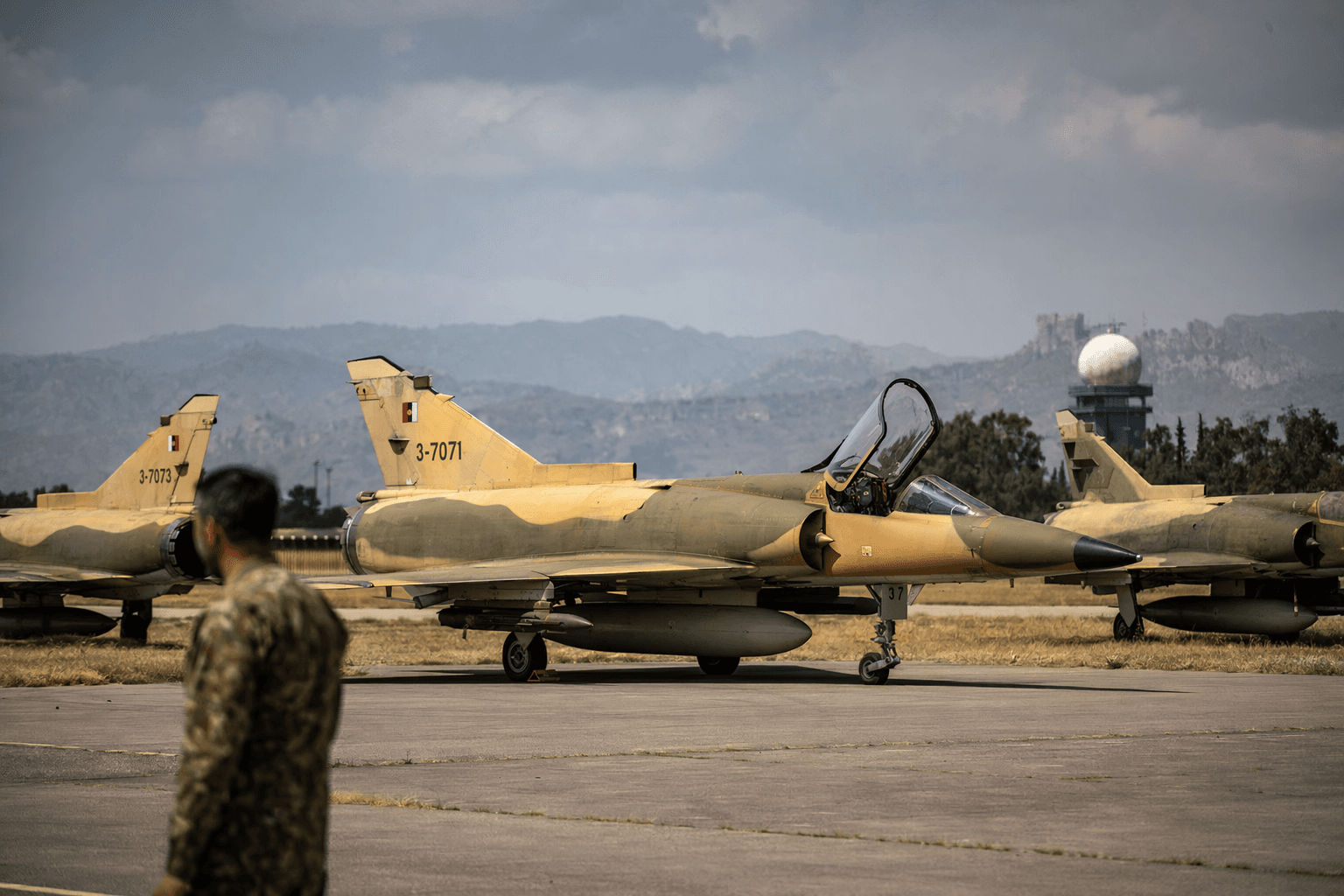
A senior Pakistani official rejected the allegation, telling CBS that Nur Khan sits in the heart of a city and that a large fleet of aircraft could not be hidden from public view. U.S. Central Command referred questions to Afghan and Pakistani officials. The Pakistan Foreign Office later called the account misleading and sensationalised, saying the planes arrived for diplomatic logistics during the ceasefire.
The report immediately sharpened political pressure in Washington. Senator Lindsey Graham called for a “complete reevaluation” of Pakistan’s role as mediator if the reporting proved accurate. The episode now hangs over U.S.-Pakistan ties at a delicate moment, with Islamabad facing a credibility test over whether its regional diplomacy was a one-off accommodation or part of a broader hedging strategy designed to keep channels open with both Iran and the United States.
This article was produced by Prism’s automated news system from verified source data, official records, and press releases, then run through automated quality and moderation checks before publishing. The system is built and supervised by the people who set the standards it runs under. Read our full AI policy.
Did this article answer your question?