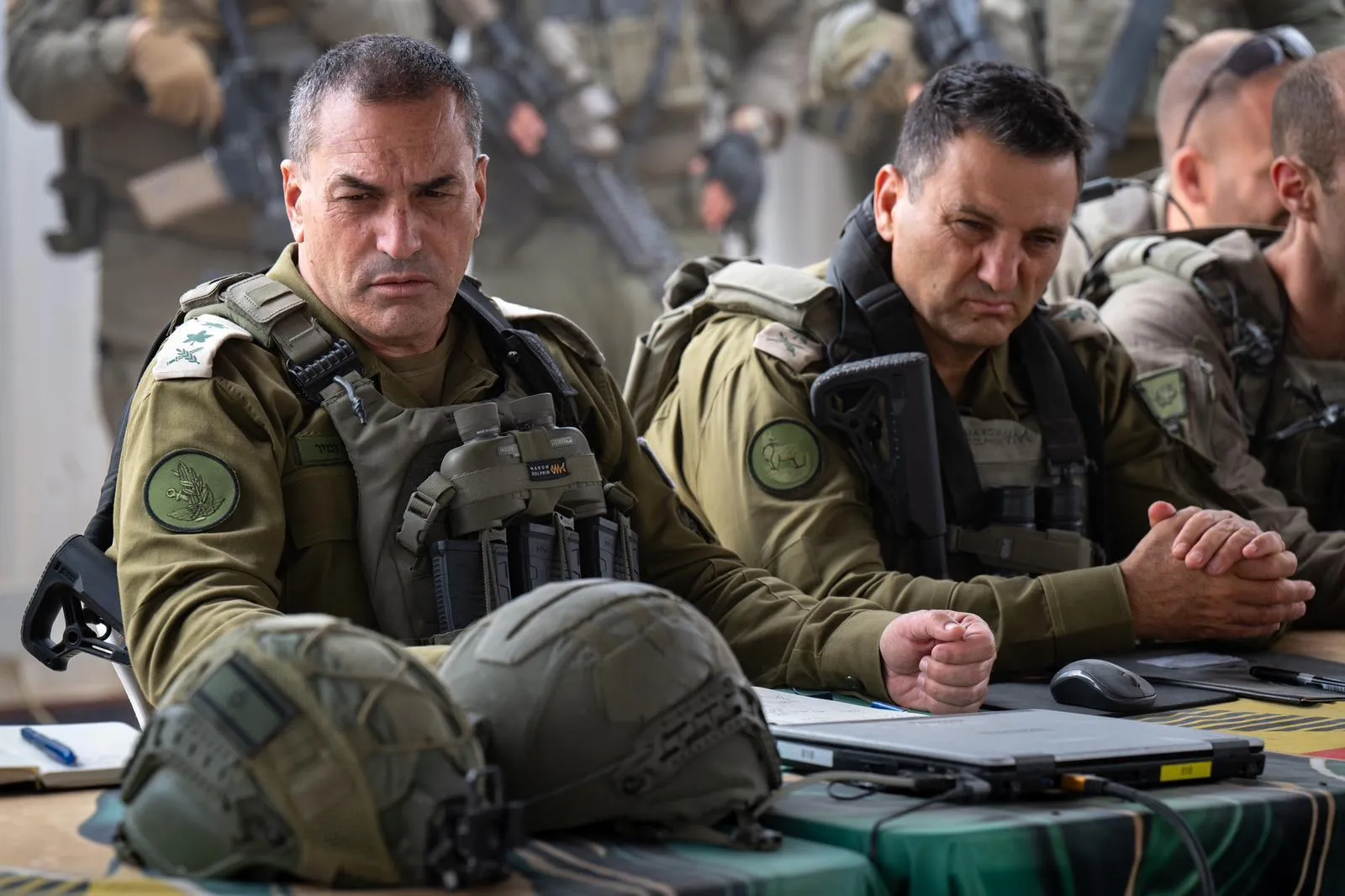
U.S. officials say Russia supplied Iran with targeting data on forces
U.S. intelligence officials say Moscow gave Tehran locations of American warships and aircraft, raising immediate risks to troops and regional stability.
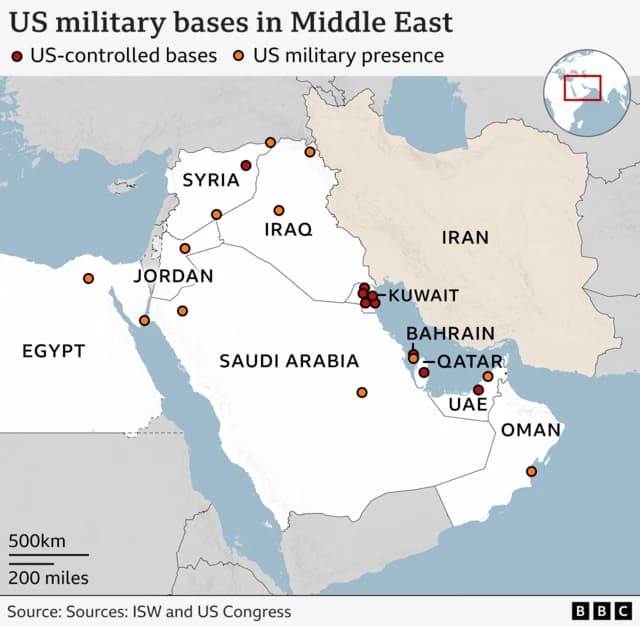
U.S. intelligence and national-security officials told reporters that Russia has supplied Iran with high-quality, actionable targeting information — including the locations of U.S. warships, aircraft and other American military assets operating in the Middle East — that Tehran has used or could use to attack American forces, three officials familiar with the intelligence said.
"The targeting information has included the locations of American warships and aircraft in the Middle East, the officials said," according to officials who declined to be named while discussing sensitive intelligence. The disclosure represents a significant escalation in the alignment between Moscow and Tehran, officials said, and is the clearest indication yet that another major U.S. adversary is participating, even indirectly, in the conflict theater.
The development arrives amid a broader pattern of cooperation between Russia and Iran that U.S. officials have flagged for years. In late 2022 the White House accused Russia of offering Iran advanced air-defense systems, helicopters and fighter jets and of training Iranian pilots on Sukhoi Su-35 fighters. At the time, the administration said Russia was providing "an unprecedented level of military and technical support that is transforming their relationship into a full-fledged defense partnership." Officials warned that the transfers would "significantly strengthen Iran's air force relative to its regional neighbors."
U.S. domestic security agencies are responding on multiple fronts. The Treasury Department's Office of Foreign Assets Control has designated a subordinate organization of Iran's Islamic Revolutionary Guard Corps and a Moscow-based affiliate of the Russian Main Intelligence Directorate under Executive Order 13848 for election interference and malign influence operations. "The Governments of Iran and Russia have targeted our election processes and institutions and sought to divide the American people through targeted disinformation campaigns," Acting Under Secretary Bradley T. Smith said in a statement. The Treasury also cited a nexus between the Moscow-based Center for Geopolitical Expertise, founded by Aleksandr Dugin, and a GRU unit, noting that "Since at least 2024, a GRU officer and CGE affiliate directed CGE Director Valery Mikhaylovich Korovin (Korovin) and other CGE personnel to carry out various influence operations targeting the U.S.2024 presidential election."
Homeland security officials have likewise warned of elevated risks at home. A Department of Homeland Security Office of Intelligence and Analysis assessment concluded that Iran and its proxies "probably" pose a threat of targeted attacks on the United States and that short-term risks include low-level cyber operations by Iran-aligned hacktivists such as website defacements and distributed denial-of-service attacks. Homeland Security Secretary Kristi Noem said she is "in direct coordination with our federal intelligence and law enforcement partners as we continue to closely monitor and thwart any potential threats to the homeland."
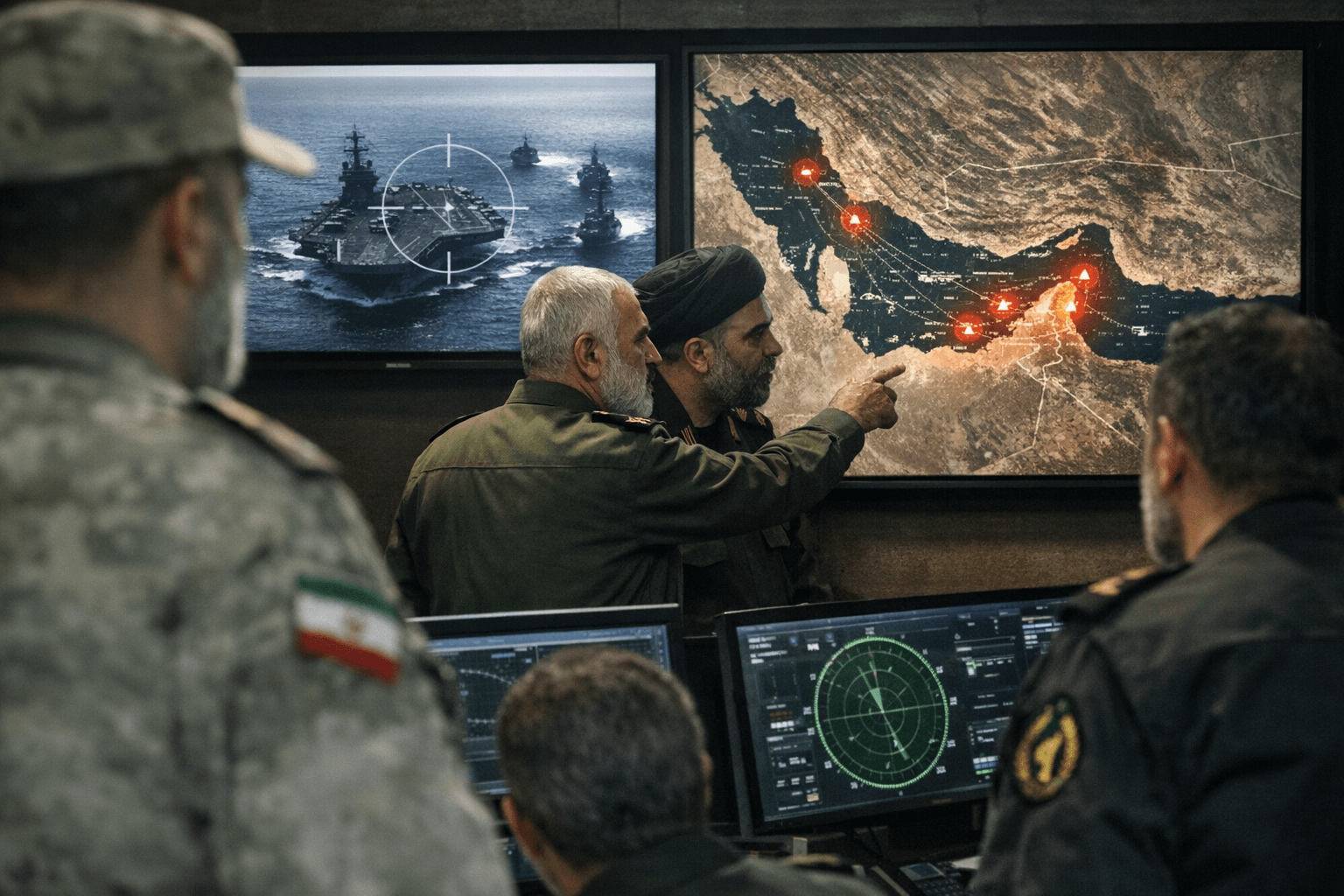
On the ground in the Gulf, Western forces have already seen hits and near-misses. A building beside the U.S. Navy's 5th Fleet headquarters in Juffair, Bahrain was damaged by an Iranian attack drone over the weekend, and separate strikes in Tehran amid ongoing operations have added to regional volatility.
The immediate policy implications are stark. If confirmed, the intelligence would strengthen U.S. cases for expanded sanctions, elevated force-protection measures for ships and aircraft, and intensified diplomatic pressure on Moscow. For markets, the prospect of direct targeting of U.S. assets and wider Russia-Iran coordination raises the risk premium on oil and shipping in the Gulf and could prompt short-term spikes in insurance and freight costs, while reshaping defense procurement and budgeting discussions in Western capitals.
Officials have not publicly detailed how the targeting data was collected or transmitted, nor which specific incidents have been directly linked to the intelligence sharing. The claim is thus subject to verification even as it prompts immediate strategic and economic consequences.
Know something we missed? Have a correction or additional information?
Submit a Tip