US, Philippines move toward economic security zone framework
Washington and Manila are close to a 4,000-acre industrial zone in New Clark City that would link minerals, manufacturing and AI supply chains.

Washington and Manila are moving toward an economic security zone that would tie the Philippines more tightly to U.S. supply-chain strategy, with Jacob Helberg saying the two sides have a two-year window to settle the framework and are likely to reach a deal sooner rather than later.
The proposed hub in New Clark City, Tarlac, would cover 4,000 acres and sit inside the Luzon Economic Corridor, where U.S. officials want to build a secure industrial base around critical minerals, advanced manufacturing, computing and data infrastructure. The State Department has described the project as an AI-native industrial acceleration hub, the first of its kind under Pax Silica and intended as the first of many such zones in a wider industrial network.
The Philippines formally joined Pax Silica on April 17, and Helberg said the network has already expanded to 15 members from seven founding countries, with a possible 16th member by the end of June. The speed of the rollout suggests Washington is trying to turn a diplomatic concept into a real industrial architecture, not just another alliance statement aimed at countering China’s influence in the South China Sea.
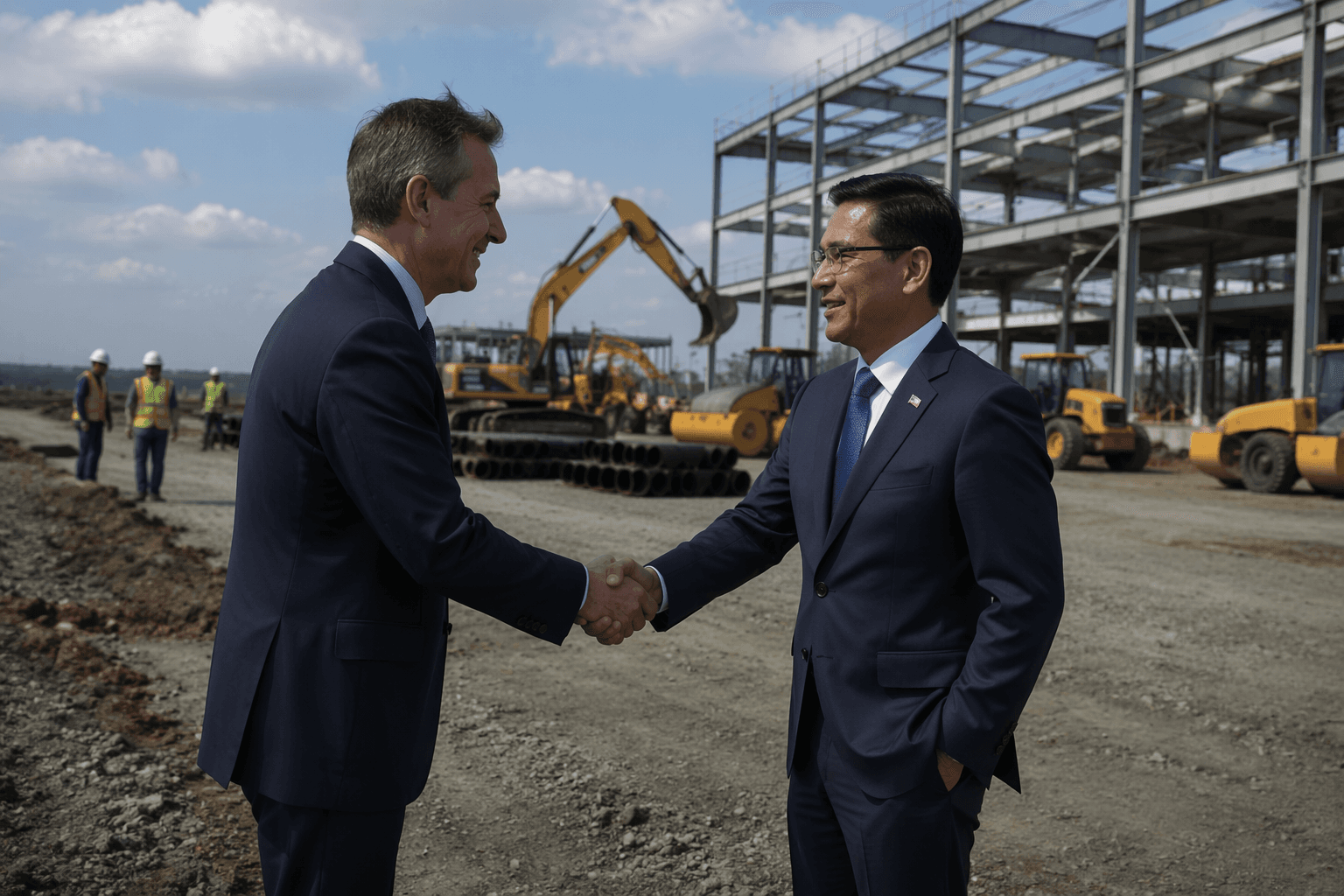
Helberg visited the site this month with representatives from more than a dozen U.S. companies, including 8VC, Agility Robotics, Joby Aviation, Valar Atomics and Foxconn chairman Young Liu. That mix points to the actual business ambition behind the plan: not only to secure mineral supply lines, but to pull robotics, aviation, energy technology and manufacturing into a Philippine base that could serve U.S. firms looking to diversify away from China.
The project also has unresolved political edges. Philippine officials have said the hub will be governed as a regular business development contract under the Investors Lease Act and BCDA law, with no special arrangement for the U.S. government. The country has not agreed to Washington’s request for diplomatic immunity tied to the zone, a sign that legal sovereignty remains a live issue even as the industrial pitch gains momentum.
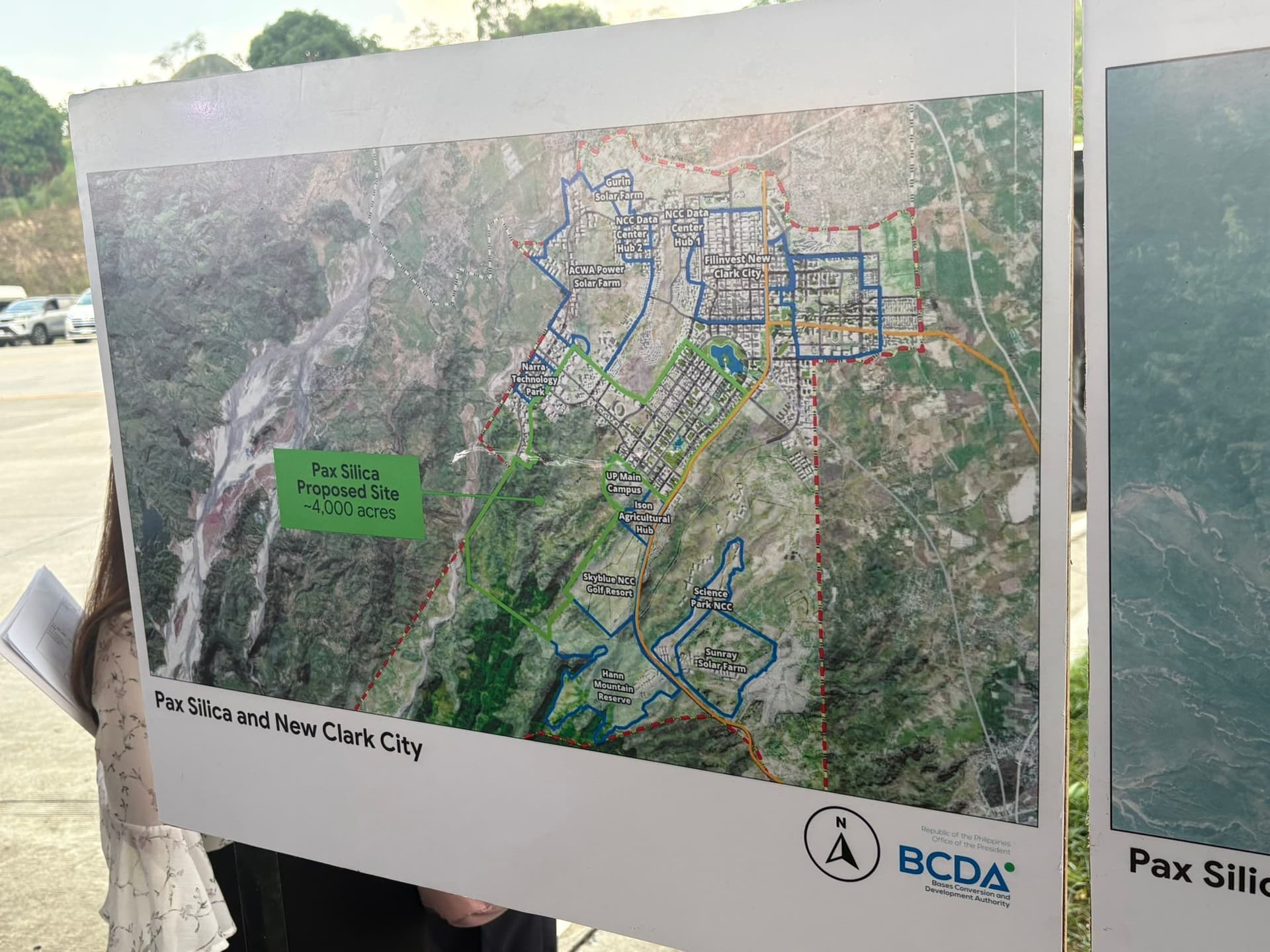
Still, the economic stakes are real. The State Department said the zone is meant to leverage the Philippines’ location in the Indo-Pacific, its young technical workforce and mineral resources including nickel, copper, chromite and cobalt. Philippine officials have said the site could attract billions of pesos in investment, while Joshua Bingcang said technical assessments would begin next month and construction was expected to begin next year. Other Philippine reports put the assessment in June and groundbreaking before the end of 2028.
For now, the project looks like both a strategic hedge and an industrial test case. If it advances, it would give the U.S. a foothold in a critical minerals and manufacturing corridor at a time when supply-chain security has become central to American economic diplomacy in Asia.
Know something we missed? Have a correction or additional information?
Submit a Tip