US probe flags foreign aircraft supply chain risks, no new tariffs
Washington flagged foreign aircraft supply-chain risks but stopped short of new tariffs, keeping pressure on suppliers while protecting airline costs.
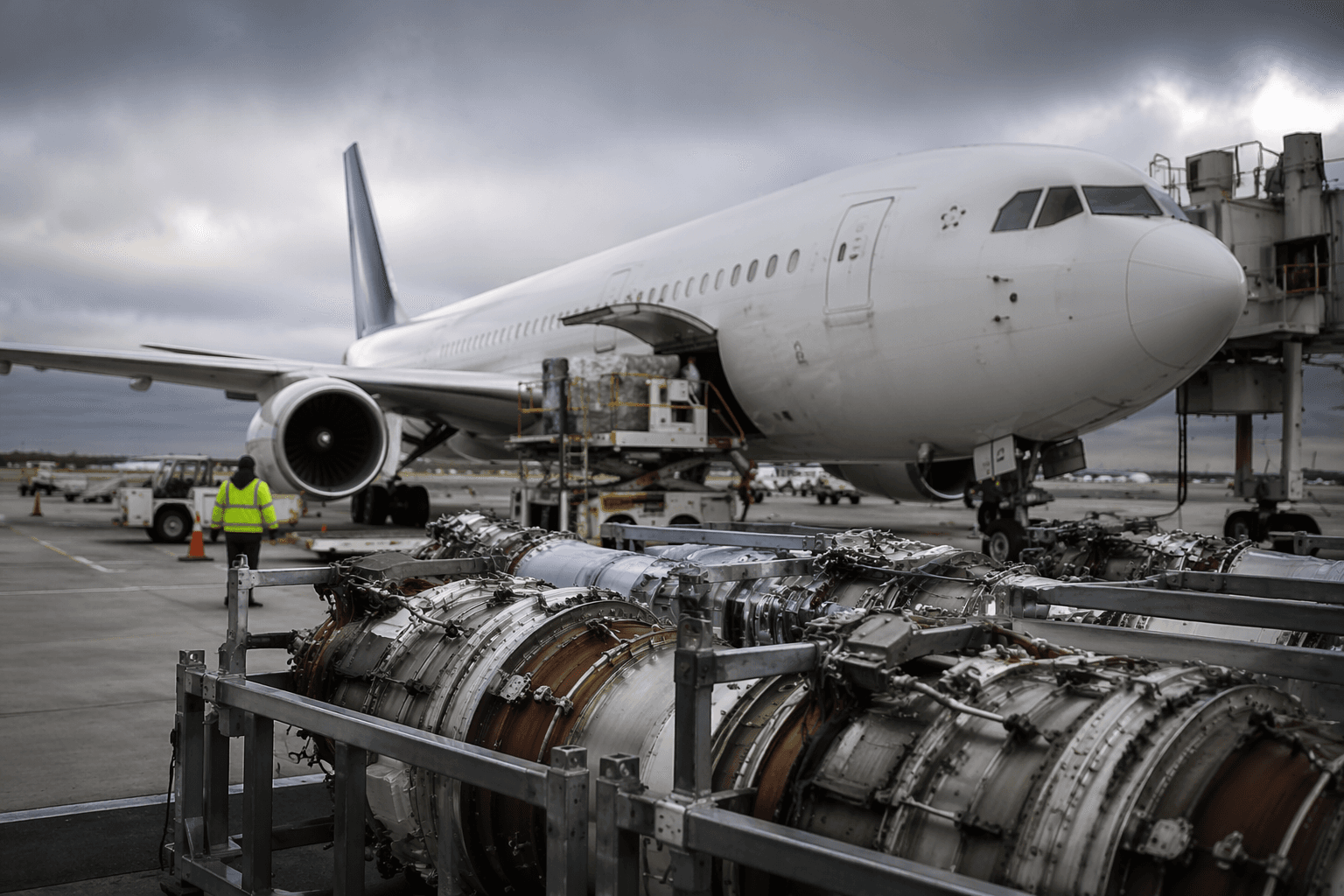
The White House on July 10 said it would not immediately impose new tariffs on imported commercial aircraft, jet engines or parts, even after a Commerce Department probe found the foreign supply chain poses national-security risks. Instead, President Donald J. Trump directed the Office of the U.S. Trade Representative and the Commerce Department to negotiate with trading partners, while leaving open the option of tariffs later if talks fail.
The decision followed a Section 232 review under the Trade Expansion Act of 1962, which Commerce opened in 2025 to examine commercial aircraft, jet engines and parts for both. In its findings, the department said the U.S. aircraft industry is too dependent on overseas suppliers and identified risks tied to quality control and counterfeiting in imported parts. That leaves Washington warning about a vulnerable industrial base without reaching for the bluntest trade weapon.
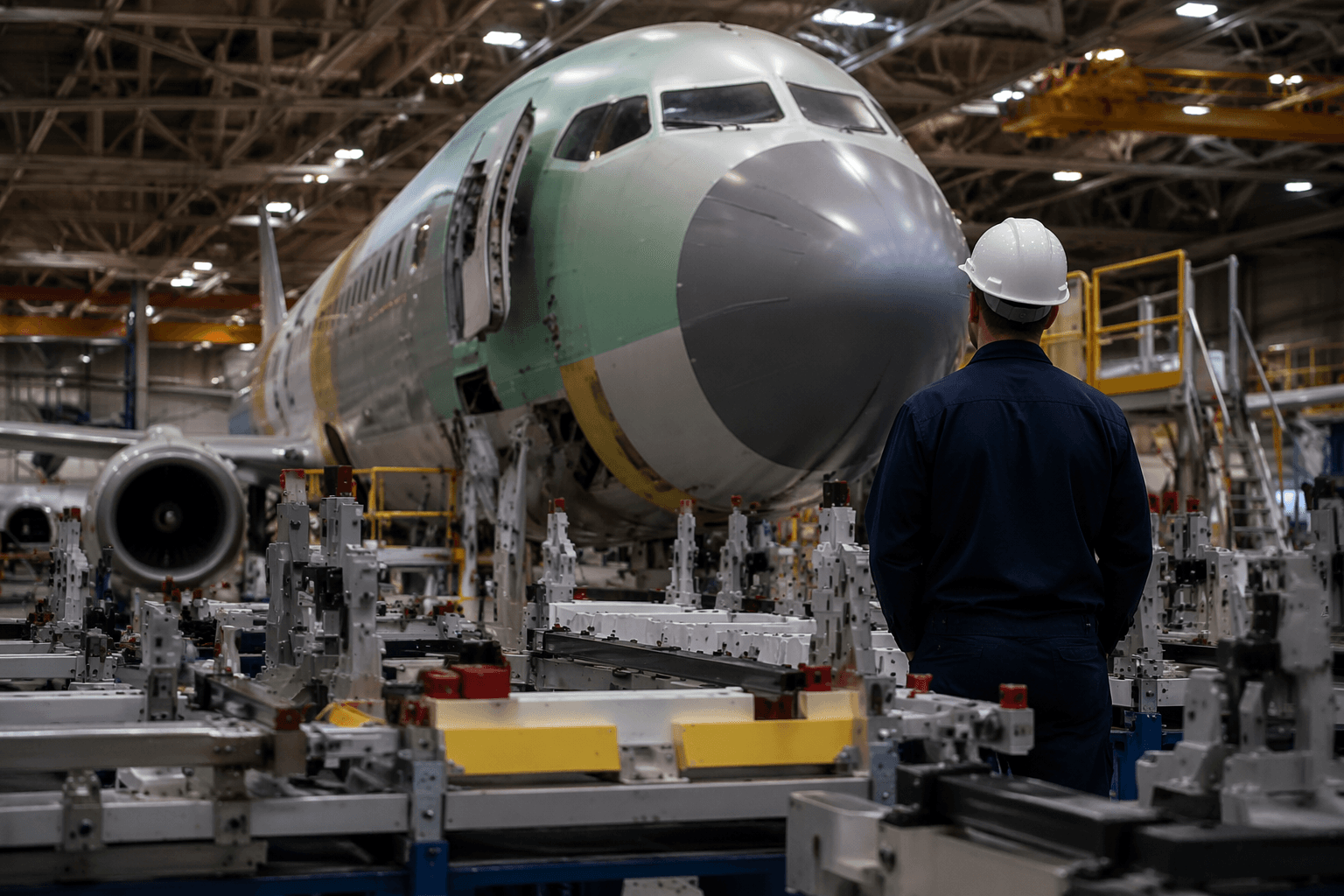
Commerce Secretary Howard Lutnick recommended against immediate tariffs. The administration’s action keeps the pressure on foreign suppliers and trading partners, but it also reflects how sensitive aircraft trade remains for airlines and manufacturers that rely on globally sourced components and tightly coordinated production schedules.
The policy also preserves, for now, the long-running tariff-free regime under the 1979 Agreement on Trade in Civil Aircraft. That framework has helped sustain a U.S. aerospace trade surplus of about $75 billion a year, a figure that makes the sector one of the clearest examples of how an export powerhouse can still depend heavily on imported inputs. Any new tariff wall could ripple through aircraft assembly lines, maintenance networks and airline balance sheets.
Industry lobbying around the issue has been intense. GE Aerospace chief executive Larry Culp pressed for restoration of the tariff-free regime during a meeting with Trump in April 2025, arguing that the arrangement supported the surplus. Delta Air Lines and major trade groups warned last year that aircraft tariffs could raise ticket prices, threaten aviation safety and disrupt supply chains.
The administration’s move suggests a familiar Washington trade calculation: protect industrial capability without adding costs to a globally integrated sector. By choosing negotiations first, Trump avoided an immediate shock to airlines and manufacturers, while keeping tariffs available as leverage if foreign partners do not reach agreement.
This article was produced by Prism’s automated news system from verified source data, official records, and press releases, then run through automated quality and moderation checks before publishing. The system is built and supervised by the people who set the standards it runs under. Read our full AI policy.
Did this article answer your question?