U.S. retailers rush holiday imports from China before tariff hikes
U.S. retailers pulled holiday orders from China forward by 4 to 6 weeks as tariff deadlines approach, tightening freight space and raising shipping costs.

U.S. retailers have moved holiday merchandise orders from China up by four to six weeks, a rush that is already squeezing container space, warehousing and freight rates months before shoppers start buying. The scramble reflects a simple calculation in boardrooms and on docks: get inventory on the water before tariff policy tightens again.
The immediate deadline is July 24, when a 10% temporary import surcharge that took effect on February 24 is set to expire after 150 days. A White House proclamation set that timetable, and many importers are acting as if the levy will be replaced by higher duties rather than disappear. Tony Meng of XPD Global said there is an expectation that tariffs could be raised again or restored to previous levels, so businesses are rushing to get goods in before that happens.
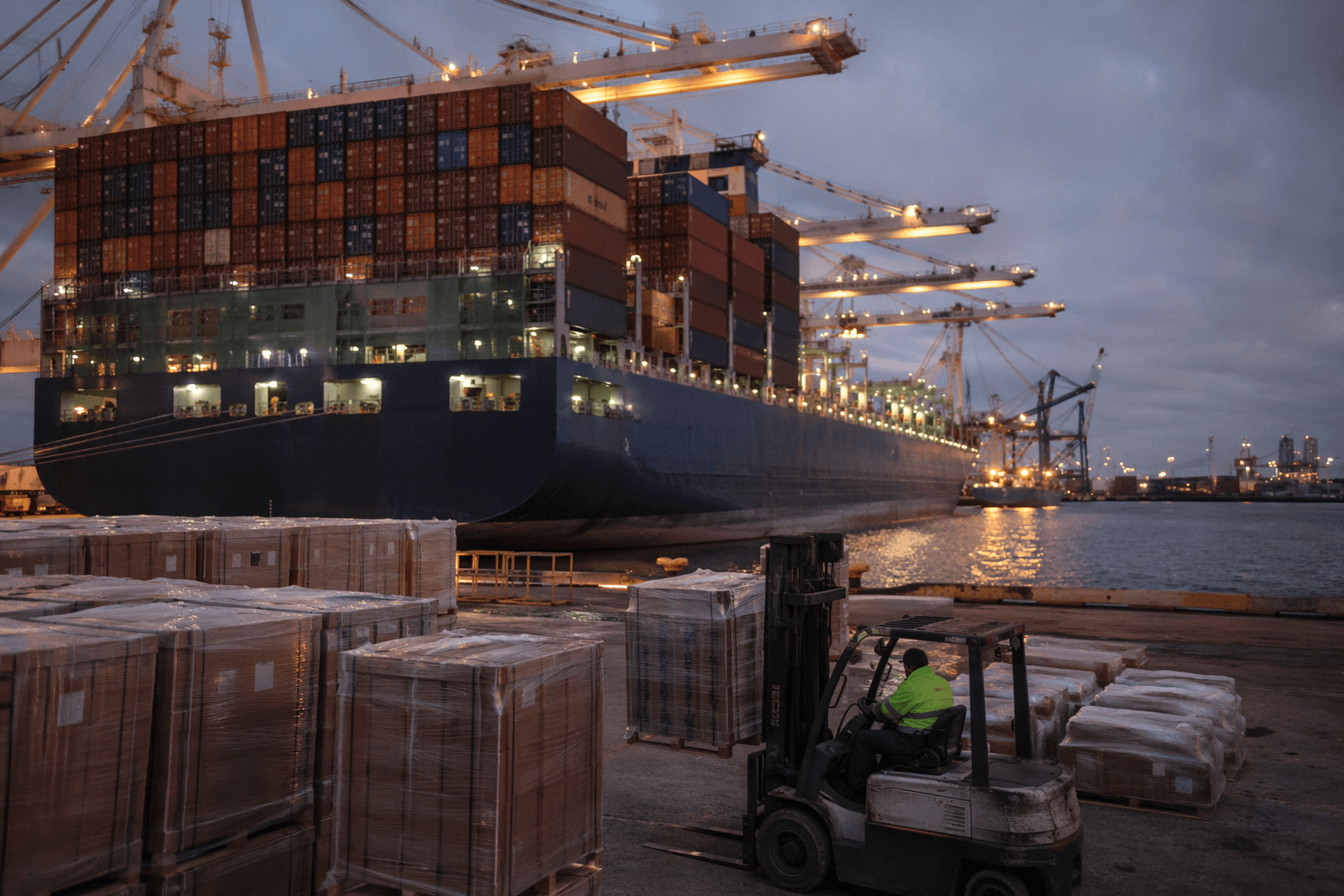
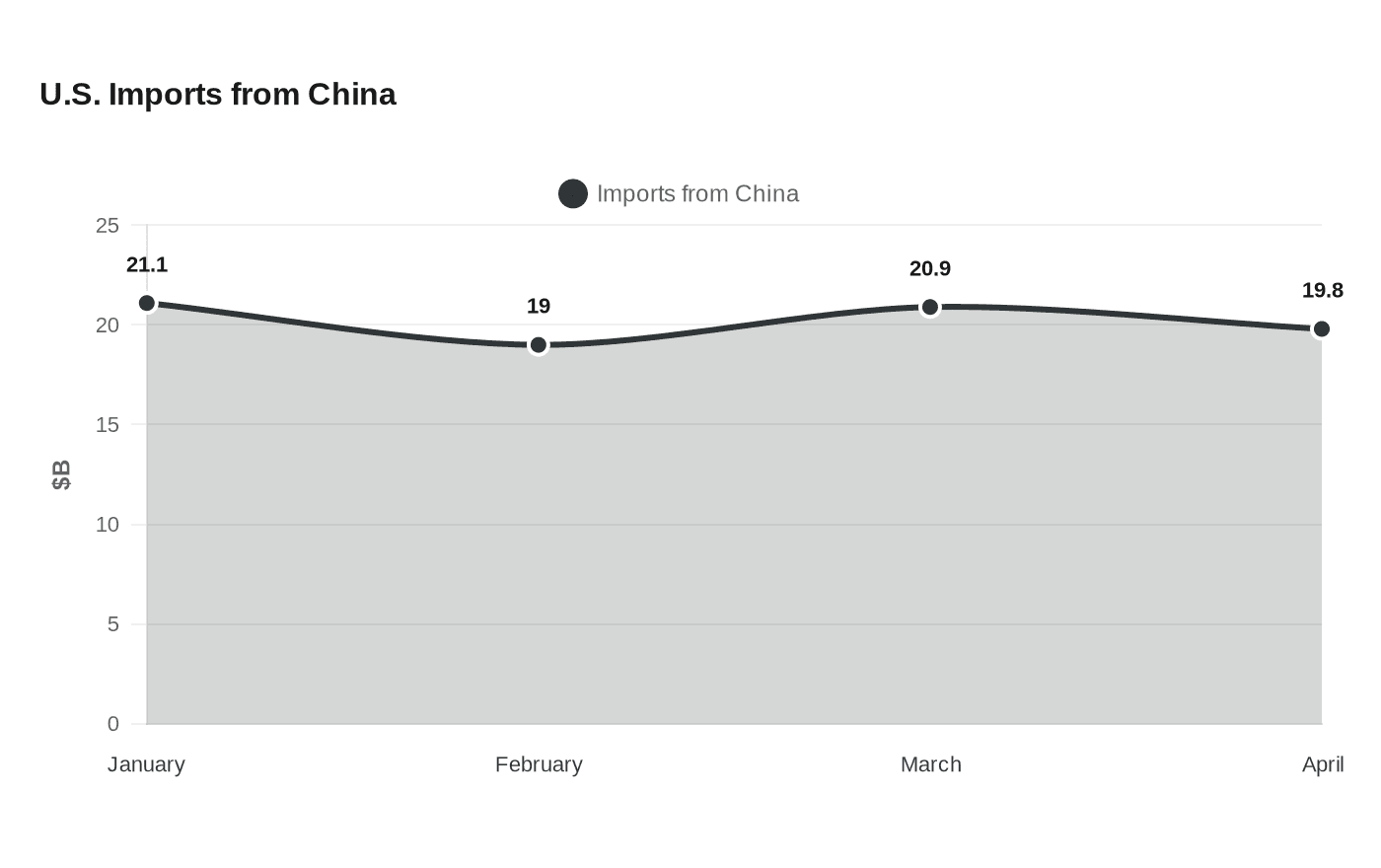
U.S. goods imports from China were $21.1 billion in January, $19.0 billion in February, $20.9 billion in March and $19.8 billion in April, according to U.S. Census Bureau figures, underscoring how dependent retailers remain on Chinese supply even as tariff risk rises. China’s official May trade data, released June 9, showed exports up 19.4% from a year earlier and imports up 27.4%, with shipments to the United States rising about 35%, the fastest U.S.-bound growth in roughly five years.
Maersk said container space on the China-U.S. route has tightened since mid-May because of stronger customer demand and earlier seasonal bookings. The usual peak for holiday bookings runs from July through September, yet volume has already been unusually strong in May and June, pushing freight prices higher as retailers place Black Friday, Christmas and back-to-school orders earlier than normal. The rush has included smartphones, lithium-ion batteries, solid-state drives, toys, kitchenware and festival products, along with some World Cup-related orders such as jerseys, flags, souvenirs and large-screen TVs.
In a June 2 notice, the Office of the United States Trade Representative initiated 60 Section 301 forced-labor investigations on March 12 and found 54 of the investigated economies failed to impose and effectively enforce a forced-labor import prohibition, while six failed to effectively enforce one. USTR has also proposed a 12.5% tariff on imports from China and elsewhere tied to that investigation, which Beijing denies. With June trade figures due on July 14 and the tariff window closing 10 days later, retailers are front-loading inventory.
This article was produced by Prism’s automated news system from verified source data, official records, and press releases, then run through automated quality and moderation checks before publishing. The system is built and supervised by the people who set the standards it runs under. Read our full AI policy.
Did this article answer your question?