U.S. sanctions Chinese firms accused of supplying Iran’s drone program
Washington hit 10 people and companies in China and Hong Kong, but the deeper test is whether sanctions can choke Iran's drone supply chain fast enough.
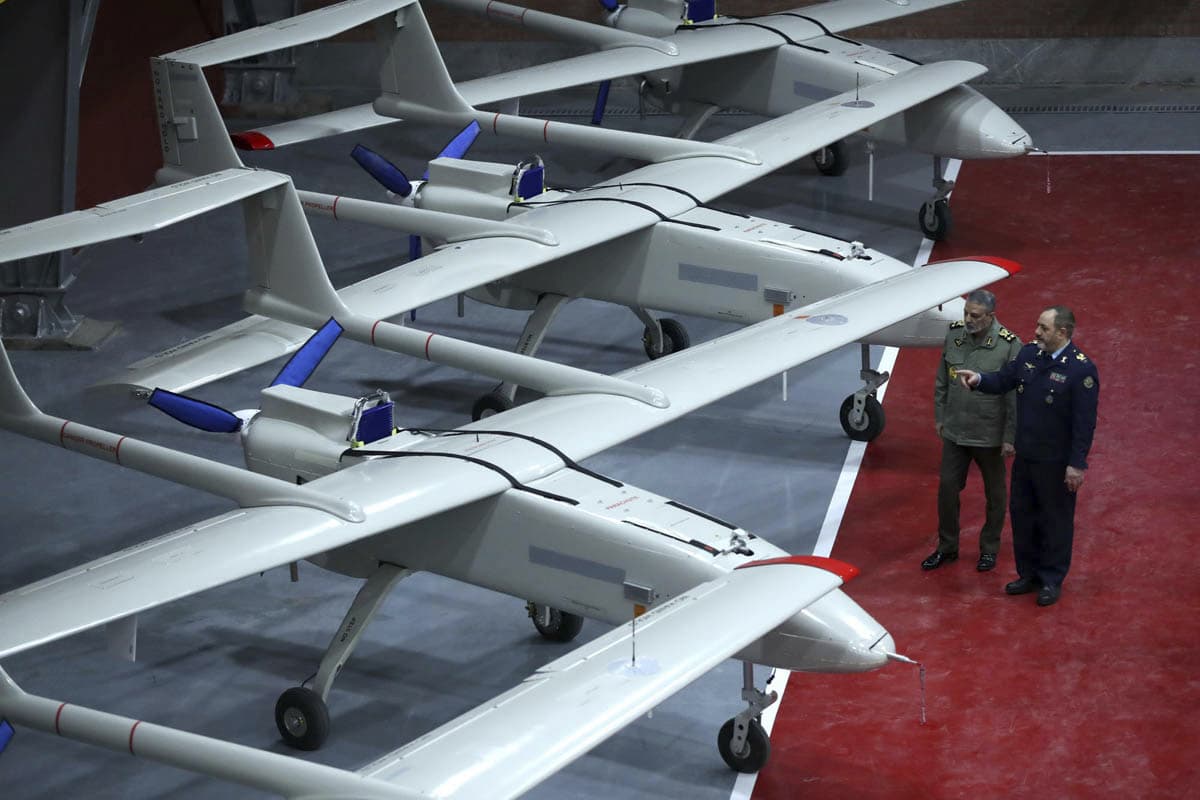
How much pressure can Washington really put on Iran’s missile and drone programs when the supply chain runs through Chinese firms? The answer may lie less in one sanctions package than in whether the United States can keep tightening the screws on procurement networks, payment channels and raw-material suppliers faster than Iran can reroute them.
The Treasury Department on May 8 sanctioned 10 individuals and companies, including several in China and Hong Kong, for helping Iran’s military obtain weapons and raw materials used to build Shahed drones. Treasury also said it was prepared to impose secondary sanctions on foreign financial institutions that aid Iran’s efforts, including institutions tied to China’s independent “teapot” oil refineries, a warning aimed at the banks and traders that keep cross-border commerce moving even when direct sellers are blocked.
The action came days before President Donald Trump’s planned trip to China for a meeting with President Xi Jinping, underscoring how sanctions on Iran’s weapons pipeline are also part of a broader geopolitical message to Beijing. Treasury Secretary Scott Bessent said the administration would continue targeting foreign individuals and companies providing Iran’s military with weapons used against U.S. forces. The department’s target list has expanded repeatedly as Iran leans more heavily on one-way attack drones and attempts to rebuild missile production capacity.
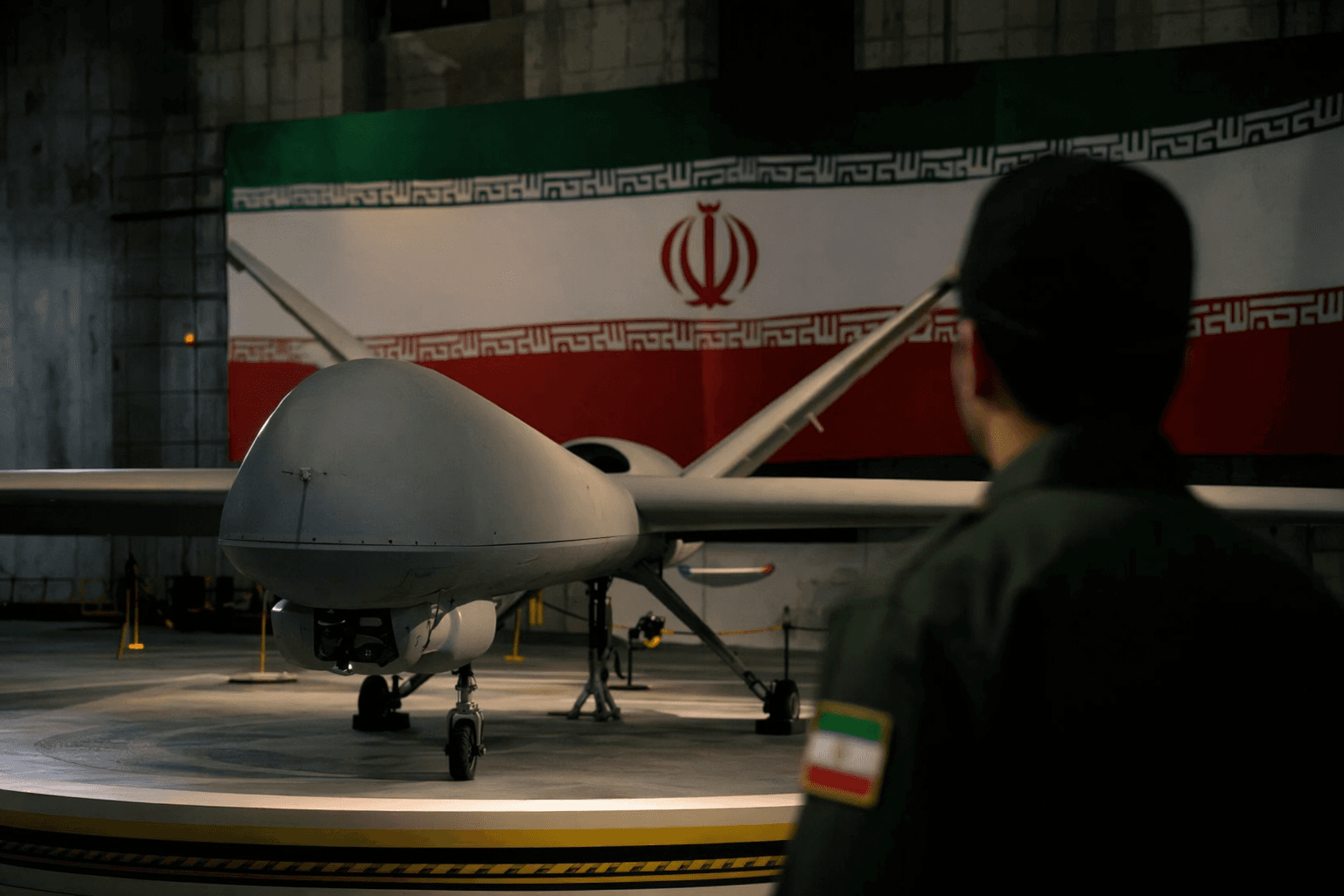
Treasury had already sanctioned 14 individuals, entities and aircraft on April 21 in Iran, Türkiye and the United Arab Emirates for procuring or transporting weapons and weapons components for the Iranian regime. In that action, the department said Iran was seeking to reconstitute its ballistic missile production capacity and was increasingly relying on Shahed-series one-way attack UAVs to hit the United States and its allies, including energy infrastructure in the Middle East. Treasury has said the campaign is part of “Economic Fury,” carried out under National Security Presidential Memorandum 2 and linked to the Sept. 27, 2025 reimposition of U.N. sanctions on Iran after what Washington called Iran’s “significant non-performance” of its nuclear commitments.
The State Department has said U.N. Security Council resolutions 1737, 1747, 1803 and 1929 require members to stop transfers to Iran of items and technology used in ballistic missile production. U.S. officials have also repeatedly targeted China-linked procurement networks over the past year, including sanctions in February, July and November 2025 on entities in China, Hong Kong, Taiwan and other jurisdictions tied to Iran’s UAV and missile programs. Treasury said one firm, Pishgam Electronic Safeh Company, procured thousands of servomotors with one-way attack UAV applications that were found in downed Shahed-136 drones, a detail that shows both the reach of the network and the practical limits of sanctions: they can raise costs, expose intermediaries and deny access to the financial system, but they rarely end a supply chain by themselves.
This article was produced by Prism’s automated news system from verified source data, official records, and press releases, then run through automated quality and moderation checks before publishing. The system is built and supervised by the people who set the standards it runs under. Read our full AI policy.
Did this article answer your question?


