U.S. says 20.6 million on HIV treatment, Reuters says role is partly indirect
Twenty million on treatment sounds decisive, but 3 million of those patients were already being served through national systems, and prevention gaps widened as funding tightened.
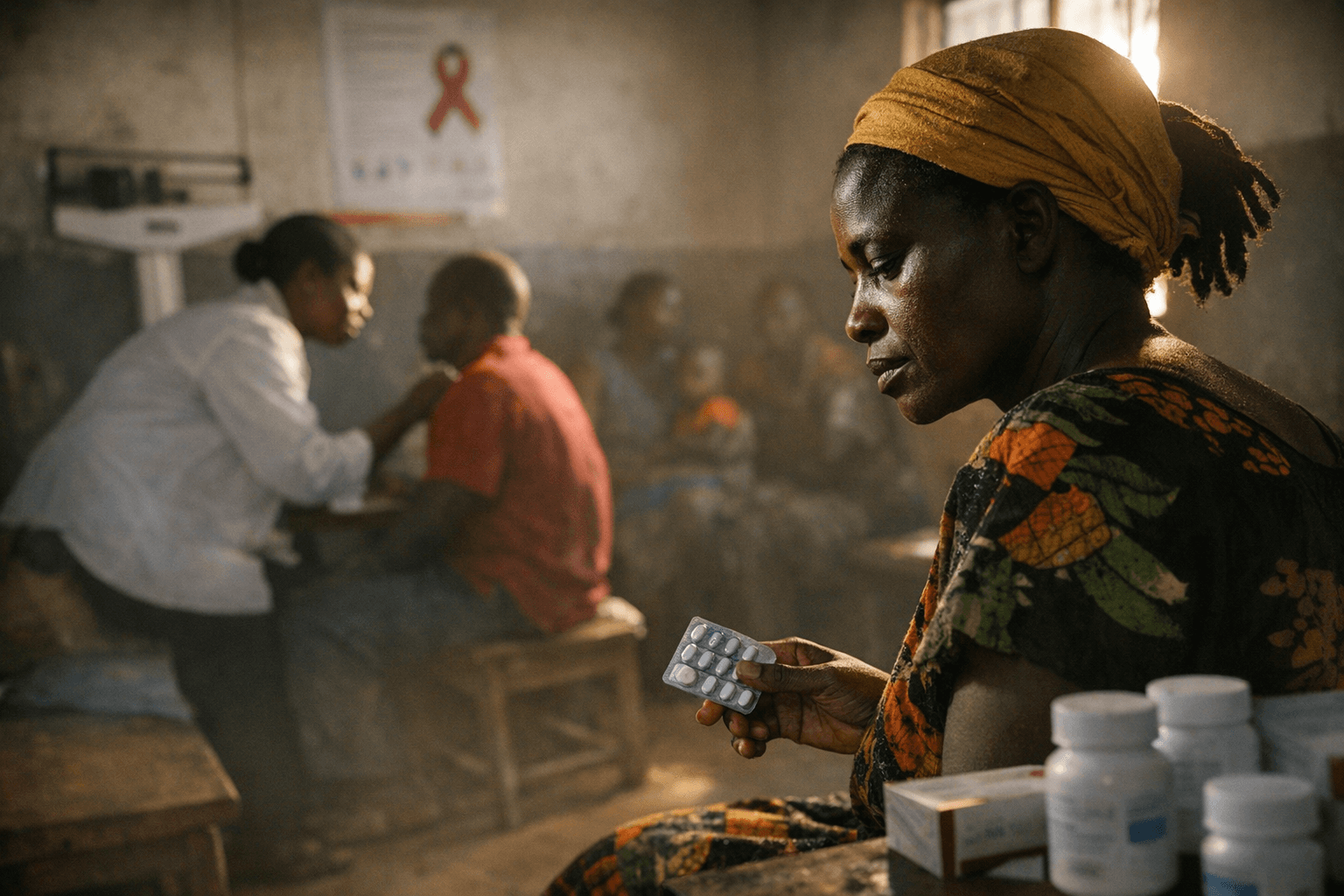
The headline is stark: 20.6 million people were on lifesaving HIV treatment through PEPFAR as of Sept. 30, 2024. But the number masks a more complicated reality, because about 3 million of those patients were receiving service delivery, management and reporting through their own governments rather than directly through PEPFAR implementers.
That distinction matters. PEPFAR, launched in 2003 under George W. Bush, has been credited with saving 26 million lives and helping 7.8 million babies be born HIV-free to mothers living with HIV. The U.S. government says it has invested more than $110 billion in the global HIV/AIDS response through the program, which works with more than 50 partner countries and has also provided support for 6.6 million orphans, vulnerable children and their caregivers. The scale is extraordinary, but it also shows how dependent many national health systems remain on U.S. financing, data systems and procurement.
The vulnerability became clearer after Donald Trump signed a 90-day pause on U.S. foreign assistance on Jan. 20, 2025. UNAIDS said the pause immediately affected delivery of HIV medicines and prevention services, and warned of perilous risks to the global HIV response. Even as life-saving treatment continued, much of the prevention infrastructure came under strain, including pre-exposure prophylaxis, or PrEP, the drugs given to people at high risk of infection.
Testing was hit as well. PEPFAR’s data systems track HIV testing and counseling as a core service, and a 2024 figure cited in broader reporting put the total at 84.1 million testing and counseling services. That kind of volume helps explain why a drop in testing can be so dangerous: when diagnoses fall, infections can spread undetected, treatment starts later, and the epidemic becomes harder to track in real time.
The program’s future has also been shifting toward country-led delivery. In September 2025, Washington announced a global health strategy centered on partnerships and self-reliance, with implementation plans expected in 71 countries by March 2026. For PEPFAR, the central policy question is no longer only how many people are on treatment, but who is carrying the system when U.S. funding changes, and whether continuity of care can survive the next disruption.
This article was produced by Prism’s automated news system from verified source data, official records, and press releases, then run through automated quality and moderation checks before publishing. The system is built and supervised by the people who set the standards it runs under. Read our full AI policy.
Did this article answer your question?