U.S. says Iran laid mines in Strait of Hormuz, reroutes shipping
Mine warnings in the Strait of Hormuz are pushing ships onto a safer U.S.-cleared route, raising oil, insurance and military stakes as intelligence assesses at least 10 mines.

The Strait of Hormuz, one of the world’s most important shipping lanes, is once again at the center of a military and market shockwave. U.S. officials said a recent American intelligence assessment found at least 10 mines in the waterway, and the U.S. military has rerouted commercial ships onto a lane farther from Iran that the Navy has spent weeks clearing. The warning is blunt: the normal route could be extremely hazardous.
The assessment adds to earlier American intelligence judgments that put the number of underwater mines at at least a dozen. CBS News reported that the mines identified in prior current assessments were Iranian-manufactured Maham 3 and Maham 7 limpet mines, and that Iran may be using small craft able to carry two to three mines each to lay them in the strait. Officials have not said exactly what type of mines were involved in the newest assessment, a detail that keeps the picture fluid even as shipping companies are being pushed to adjust routes.
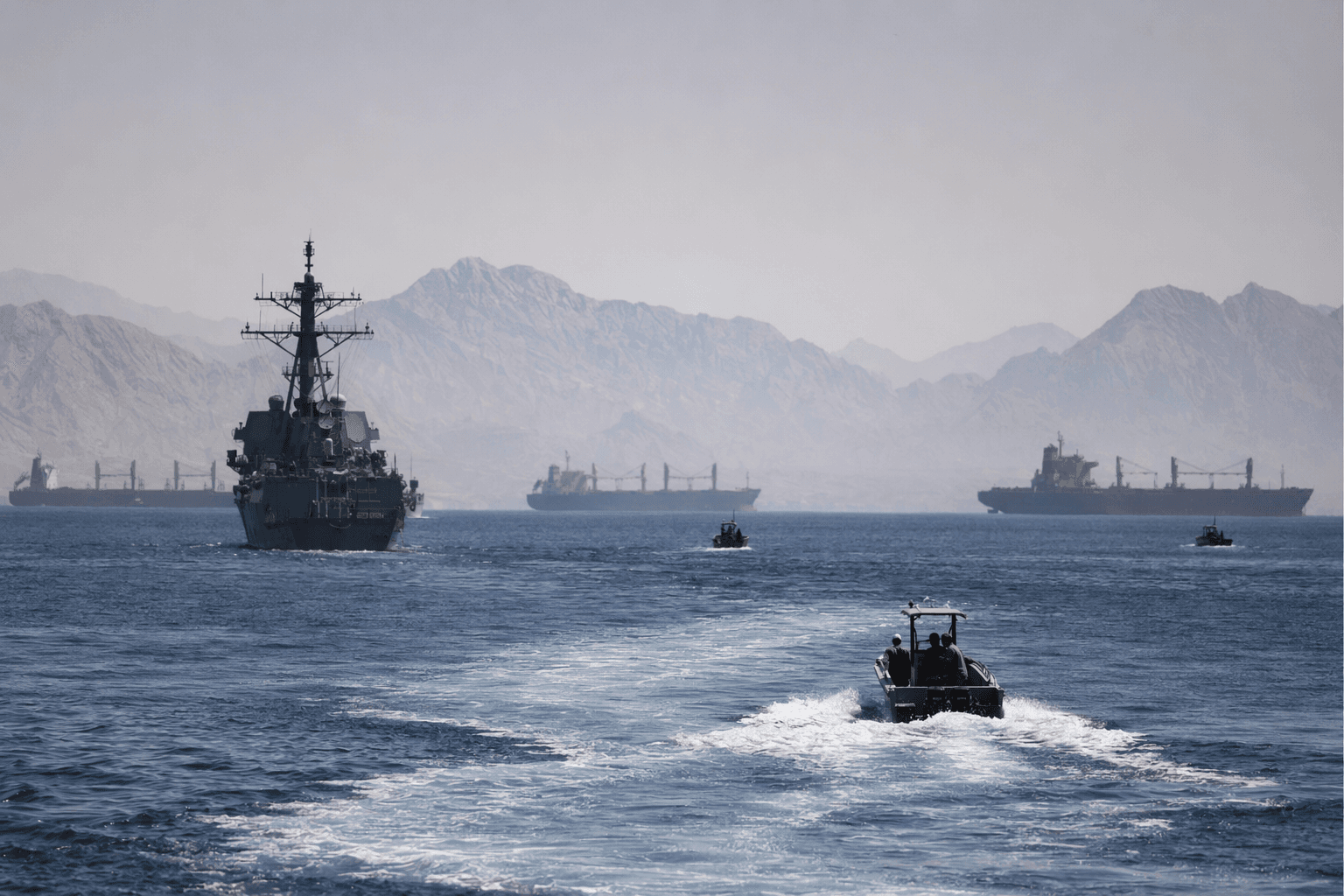
The stakes go well beyond one narrow waterway. Any hint of mining in the Strait of Hormuz can jolt tanker traffic, raise insurance costs and force the U.S. military to plan around a possible escalation before every fact is public. The latest U.S. effort to reopen at least part of the strait is called Project Freedom, and it began May 5, 2026. That campaign reflects the practical problem facing Washington: keeping commerce moving while trying to avoid a direct clash at sea.
History weighs heavily on the response. In April 1988, the USS Samuel B. Roberts struck a deliberately laid Iranian mine in the central Arabian Gulf during Operation Earnest Will, injuring 10 sailors. Four days later, the U.S. Navy launched Operation Praying Mantis. The Naval History and Heritage Command says that action was the largest of five major U.S. Navy surface actions since World War II and the first, and so far only, time the Navy sank enemy warships in a single day since then. The mine that hit the Samuel B. Roberts was an Iranian-made Sadaf 02 mine.
The political pressure has risen just as fast. CBS News reported that on Monday President Donald Trump backed off a threat to “obliterate” power plants if Iran continued to block the strait. That shift underscored how quickly intelligence about mines can shape escalation, especially in a chokepoint where even limited disruption can ripple through global energy markets and force military commanders to move before the full picture is settled.
Know something we missed? Have a correction or additional information?
Submit a Tip