U.S. Says Strait of Hormuz Blockade Will Last as Long as Needed
A Hormuz blockade could lift U.S. gas and shipping costs fast: nearly 15 million barrels a day move through the strait, while Washington pushes new talks in Islamabad.
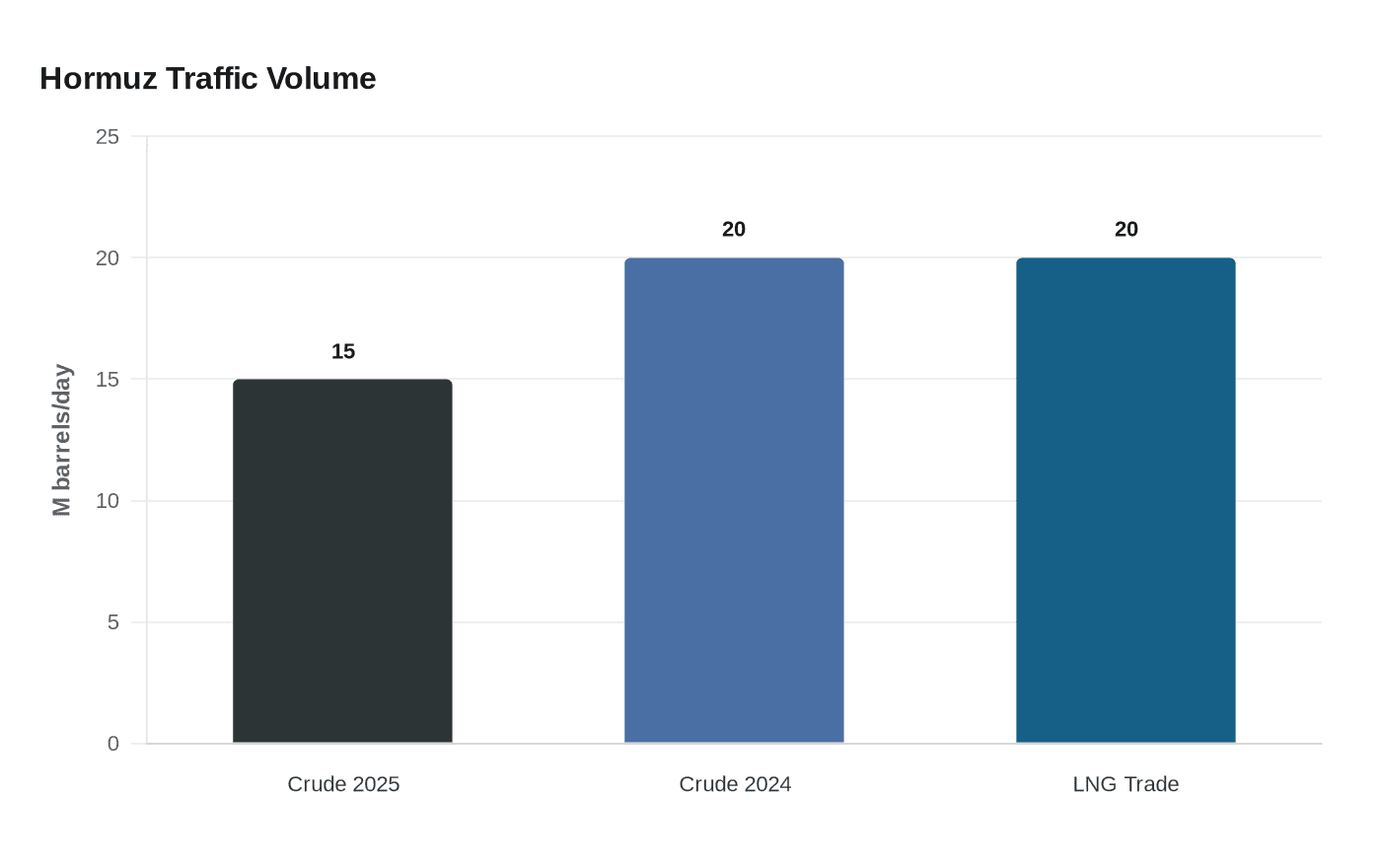
American drivers, shippers and factories face the first economic shock from the U.S. blockade around the Strait of Hormuz, where nearly 15 million barrels of crude a day passed in 2025. The International Energy Agency says that was about 34% of global crude oil trade, while the U.S. Energy Information Administration says flows through the strait averaged 20 million barrels a day in 2024, equal to more than one-quarter of global seaborne oil trade and about one-fifth of global oil and petroleum product consumption. Roughly one-fifth of global LNG trade also moved through the waterway, mainly from Qatar.
That makes the choke point far more than a regional military theater. If the blockade drags on, gasoline prices can rise quickly, tanker and container freight rates can jump, and higher fuel costs can ripple into inflation through shipping surcharges, fertilizer prices and imported goods. UNCTAD says the disruption affects oil, liquefied natural gas, fertilizers and broader trade flows, and there are few practical alternatives to reroute that volume without raising costs.
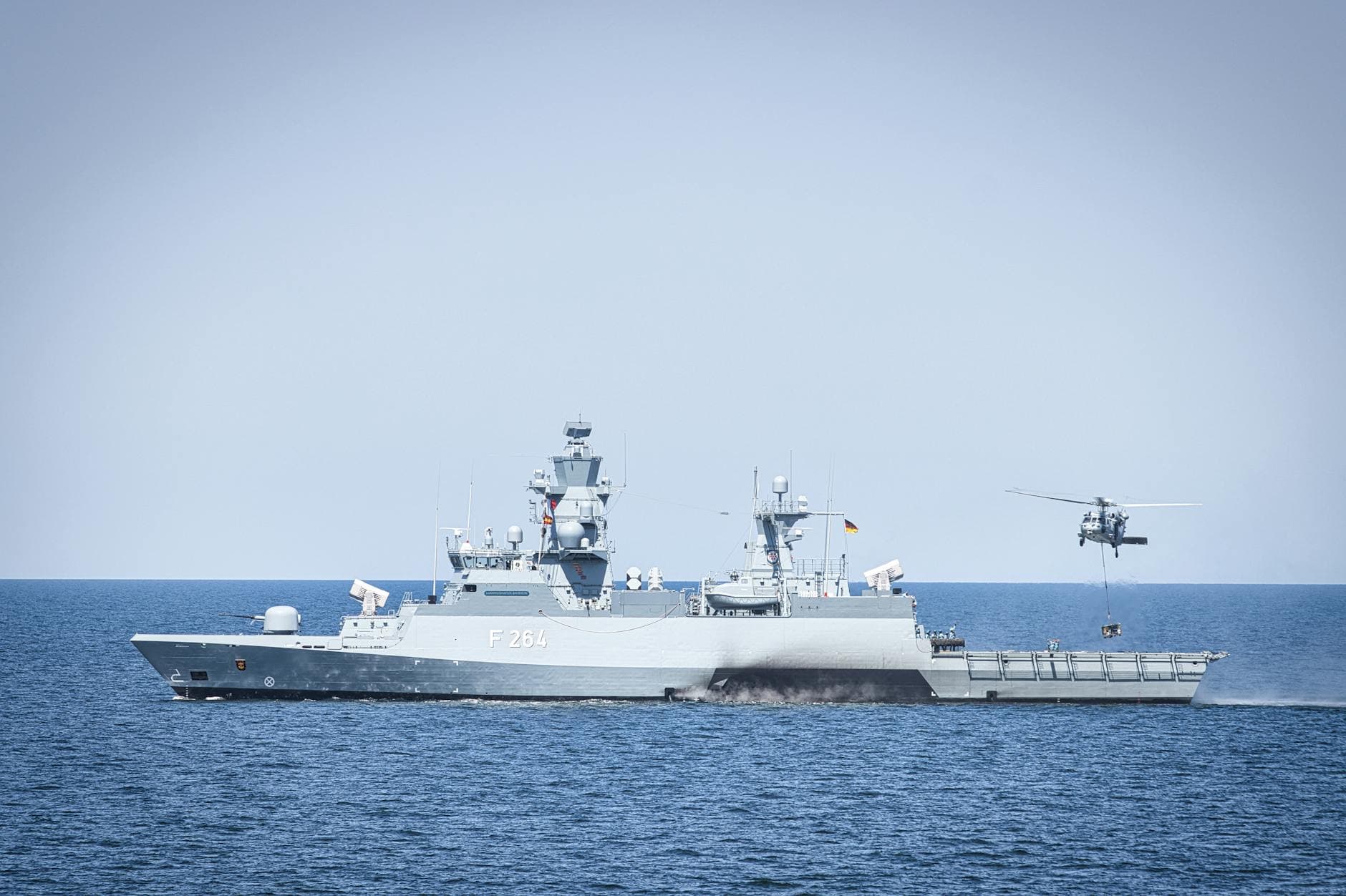
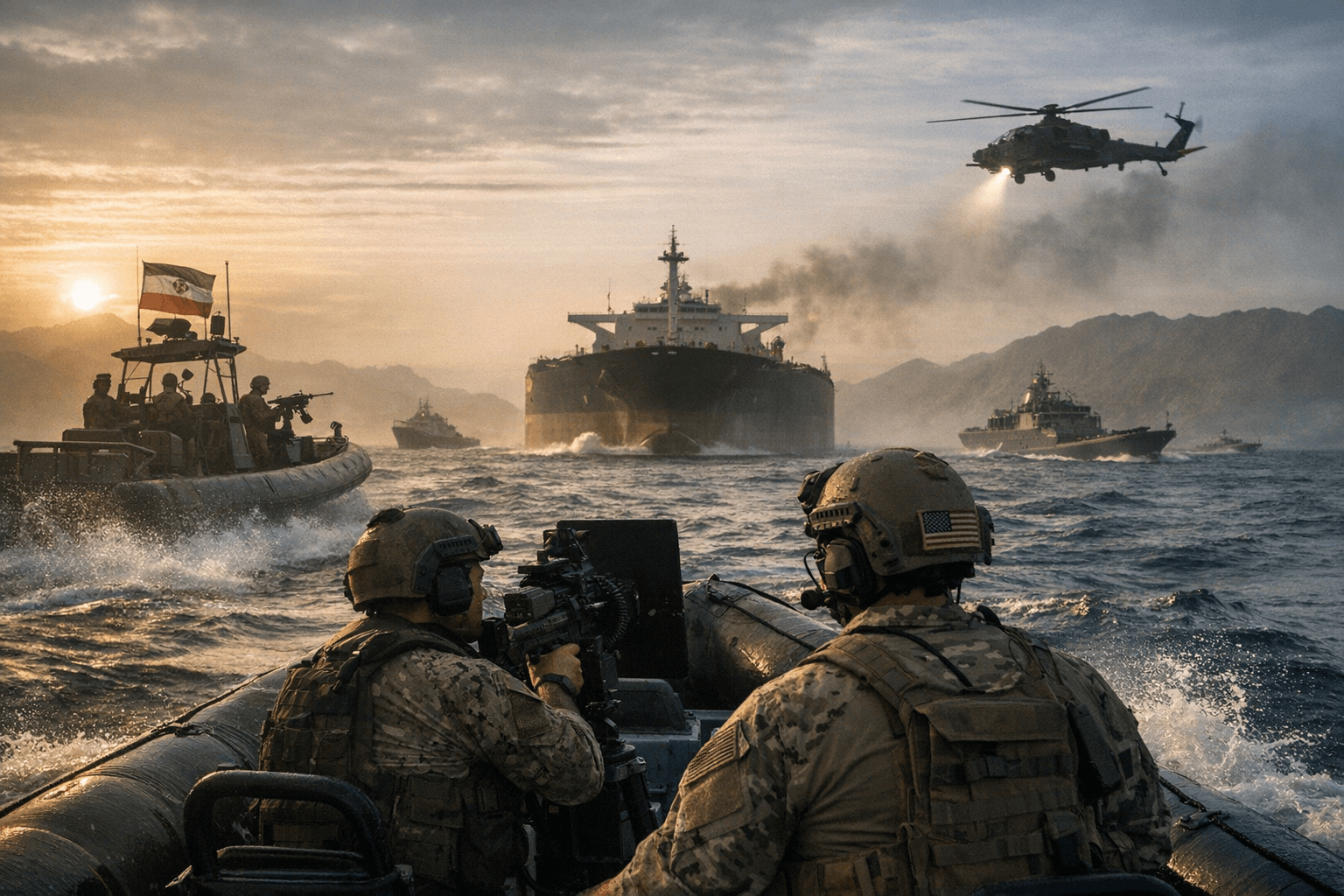
Pete Hegseth said the blockade will last “as long as it takes,” as the Pentagon described the campaign as entering a new phase and said a second aircraft carrier is due in the coming days. Reports say the mission is broadening beyond the Gulf, a sign that Washington is treating the maritime fight as part of a wider pressure campaign rather than a short-term patrol. The longer the standoff continues, the more likely it is that insurance costs, charter rates and energy benchmarks will stay volatile.
The military escalation is moving in step with a fragile diplomatic track. Steve Witkoff and Jared Kushner are scheduled to travel to Islamabad on Saturday morning for talks with Iran mediated by Pakistan. Abbas Araghchi arrived in Islamabad on April 24, 2026, but Iran’s foreign ministry said no direct U.S.-Iran meeting was planned. Karoline Leavitt said the administration had seen “some progress” from the Iranian side in recent days.
The gap between the two sides remains wide. Reuters-linked reporting says U.S. negotiators are demanding a halt to Iran’s enrichment work for 20 years, while Iran wants any limits to last three to five years. If the sides reach a memorandum to halt the conflict, they would have 60 days to negotiate a final deal. Saudi Arabia has pressed Washington to end the blockade amid fears of retaliation through allied forces elsewhere in the region, underscoring how a single strait can send shocks through energy markets, shipping lanes and inflation far beyond the battlefield.
This article was produced by Prism’s automated news system from verified source data, official records, and press releases, then run through automated quality and moderation checks before publishing. The system is built and supervised by the people who set the standards it runs under. Read our full AI policy.
Did this article answer your question?


