U.S. Signs Health Pacts with Nine African Nations, Shifts Global Aid Strategy
The United States has formalized new health agreements with nine African countries as part of a redesigned global health strategy that emphasizes mutual benefits and country capacity, and ties future assistance to one to one negotiations. The move signals a strategic pivot away from traditional grant based aid, raising questions about transparency, humanitarian reach, and whether negotiated conditionality will reshape on the ground health services.
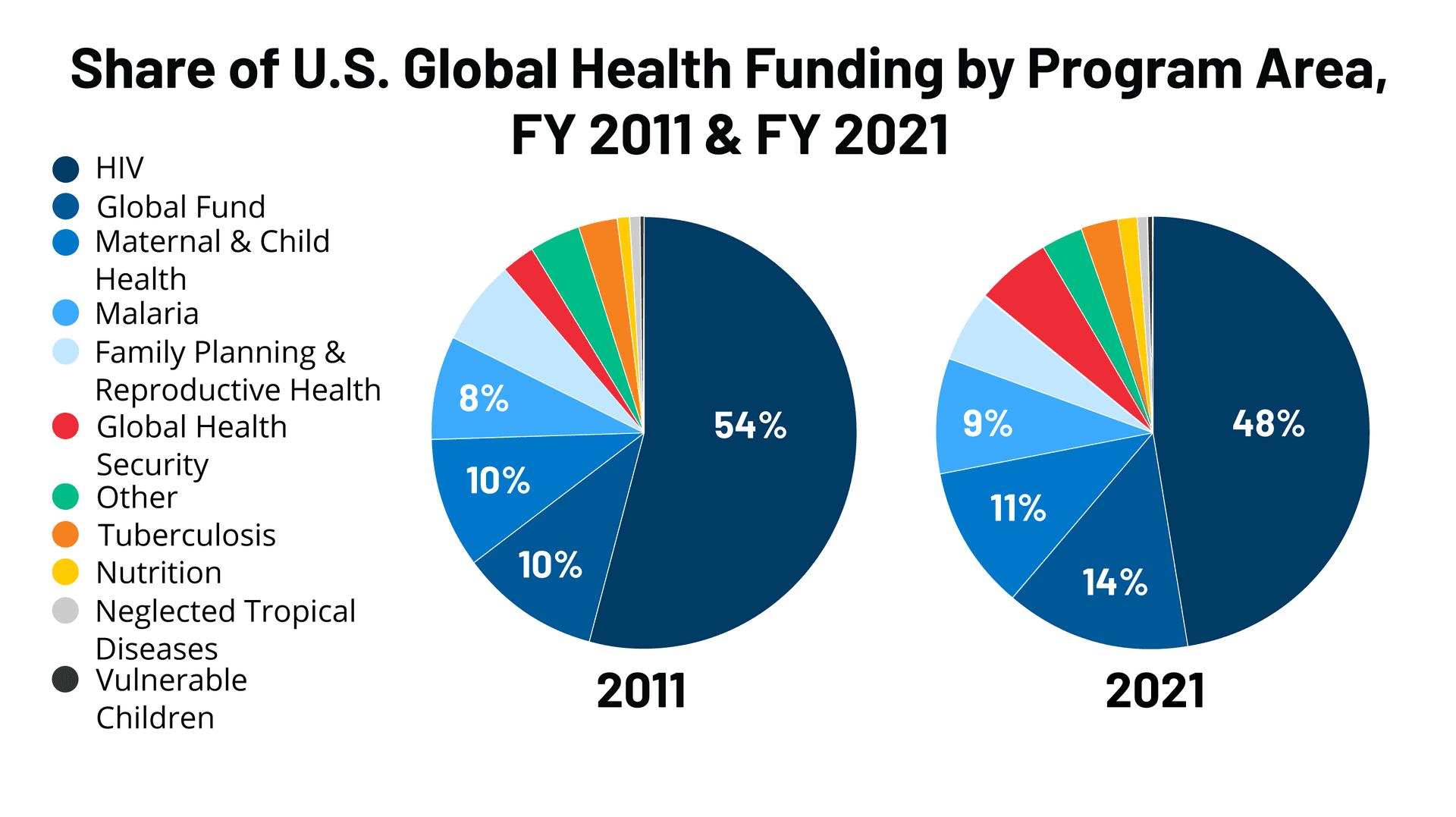
The U.S. government has sealed health agreements with nine African countries under a revised global health funding framework that officials say prioritizes "mutual benefits" and national capacity building. The initial signatories include Kenya, Nigeria, Rwanda, Uganda, Cameroon, Eswatini, Lesotho, Liberia and Mozambique, marking the first implementation of a policy shift that links future assistance to one to one negotiations with recipient governments.
U.S. officials characterize the approach as a departure from broad grant based programs toward negotiated partnerships that aim to encourage country ownership and sustainable capacity in public health systems. Administration officials have framed the strategy as intended to deliver more targeted and reciprocal cooperation rather than open ended aid. The agreements do not, at this stage, include publicly released full texts, funding levels, timelines, or listings of implementing agencies.
The change in posture follows earlier foreign policy decisions that reduced some traditional forms of U.S. development funding, and comes amid broader debates over the role of bilateral aid in promoting global health security. Observers note that the new model could strengthen long term health system resilience if it channels technical assistance to local institutions and aligns with national priorities. Yet the absence of disclosed details has also prompted concern from health advocates and civil society groups who worry that negotiated conditionality could reduce the scale or predictability of support for vaccines, maternal health, HIV treatment, and emergency response.
Several of the countries named in the pacts have recently been involved in separate agreements with the United States on immigration and deportation. U.S. officials have publicly denied that the health agreements are linked to those arrangements. Reporting on the new pacts does not provide evidence that the two sets of agreements are causally connected, and the administration insists they were negotiated on distinct tracks.
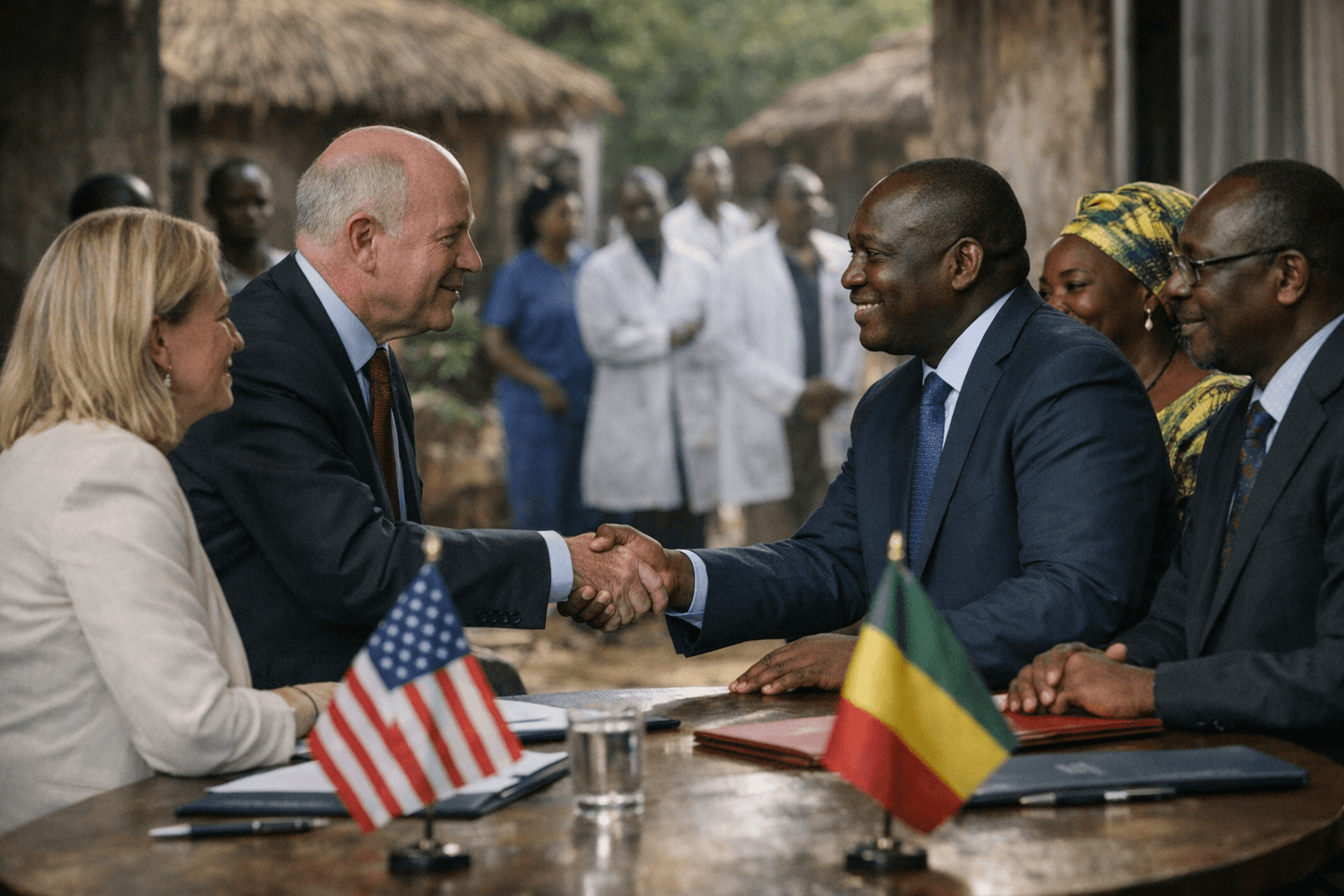
One of the agreements drew particular attention for specifying an emphasis on Christian based health facilities in Nigeria, despite that country having a slight Muslim majority overall. The available summaries do not explain how a religious orientation for health programming will be operationalized, funded, or monitored for compliance with principles of nondiscrimination and equitable access. That omission highlights a broader transparency gap in the initial disclosures.
Health sector experts say the next critical steps are release of the signed agreements and annexes, clarity on financial commitments and performance metrics, and disclosure of implementing partners. Civil society organizations in the affected countries will demand assurances that services remain secular, inclusive, and aligned with international human rights and medical ethics standards.
For now, the new framework represents a clear policy pivot with meaningful implications for global health architecture. The U.S. move will be closely watched by donors, multilateral agencies, governments and health providers across Africa as stakeholders assess whether negotiated partnerships deliver stronger systems or introduce conditionality that constrains lifesaving programs.
This article was produced by Prism’s automated news system from verified source data, official records, and press releases, then run through automated quality and moderation checks before publishing. The system is built and supervised by the people who set the standards it runs under. Read our full AI policy.
Did this article answer your question?