U.S. State Department Staff Told Not to Mark World AIDS Day
For the first time since 1988 some U.S. State Department employees were reportedly instructed not to publicly commemorate World AIDS Day, raising alarm among advocates and public health officials. The directive could blunt outreach and funding advocacy at a moment when sustained attention is critical for treatment access and prevention efforts worldwide.
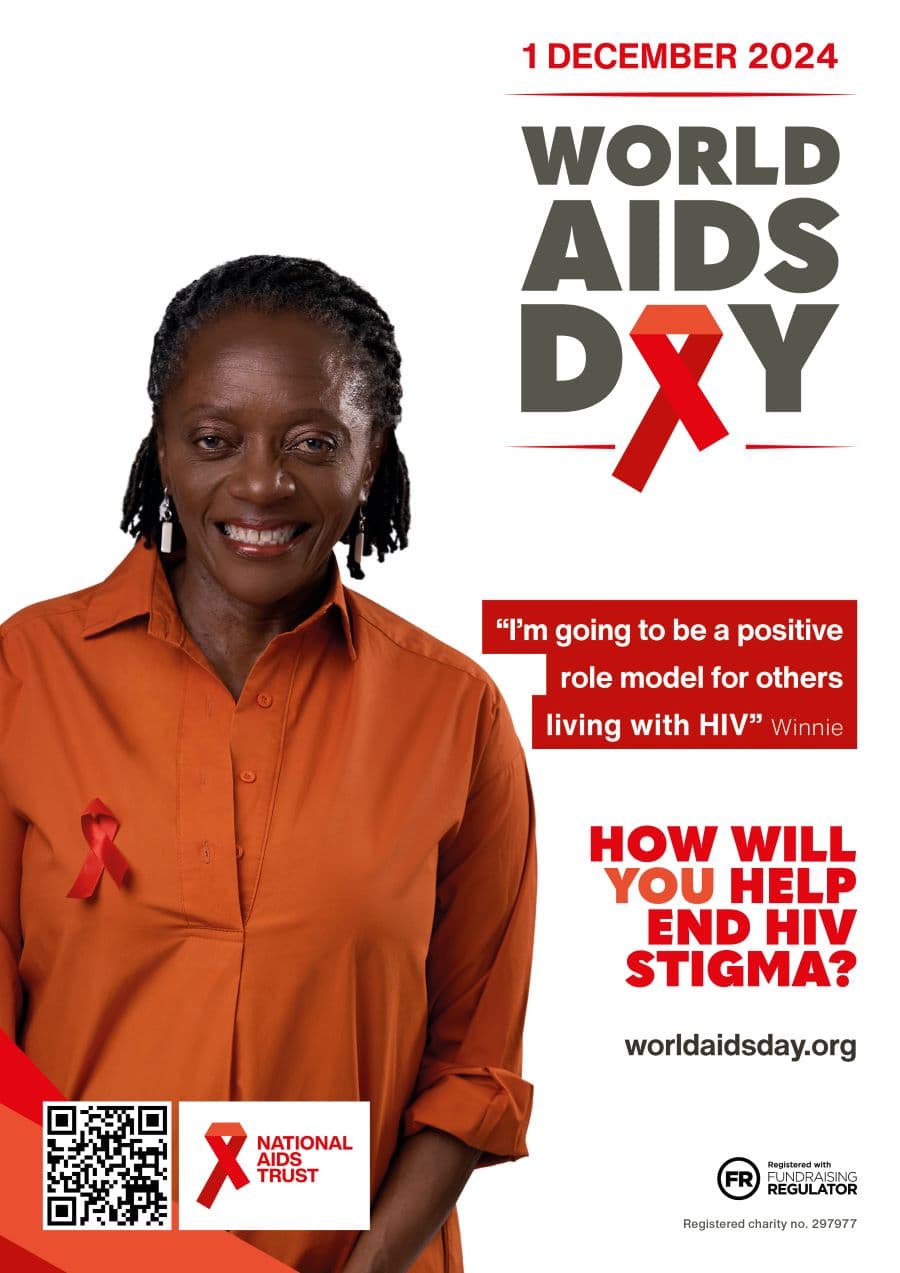
For the first time since World AIDS Day was established in 1988, some U.S. State Department employees were told not to publicly commemorate December 1, according to reporting by WBUR that was carried by Alabama Public Radio. Staff involved with programs including the President’s Emergency Plan for AIDS Relief, known as PEPFAR, were reportedly instructed not to mark the day publicly and not to use government funds for commemorative events.
Advocates and public health observers reacted quickly, describing the reported directive as a retreat from an annual practice that has long served to raise awareness, honor lives lost to HIV, and sustain political and financial commitments to prevention and treatment. Public health experts warned that scaling back official recognition could undermine outreach and community support at a time when vigilance remains necessary to preserve gains in HIV care.
World AIDS Day has been a focal point for education, testing campaigns, and fundraising for nearly four decades. In recent years PEPFAR and other U.S. programs have connected World AIDS Day events to global messaging about treatment scale up and efforts to reduce inequities in access. Community groups say the loss of visible government support risks shrinking the public platform available to marginalized populations who still face high rates of new infections and barriers to care.
Sources told reporters the guidance stemmed from broader administration policies on observances and commemorative activities, which limited official use of government resources for certain events. The precise scope of the directive and whether it applied uniformly across embassies and program offices was not publicly detailed in the reporting. The development prompted conversations among advocates, public health professionals and some congressional staff seeking clarification on the policy and its implications.

Public health specialists emphasized that the absence of official ceremonies does not erase the ongoing need for sustained funding and policy attention. HIV treatment remains a lifelong necessity for millions, and interruptions in programs or reductions in visibility can complicate retention in care and access to prevention tools. Community organizers noted that ceremonies and outreach tied to World AIDS Day often serve as entry points for testing and linkage to services for people facing stigma, poverty and discrimination.
The reported directive also raises questions about messaging abroad. PEPFAR has been one of the United States most visible global health commitments, and official recognition of World AIDS Day has historically signaled U.S. prioritization of the epidemic. Observers said a muted U.S. stance could have ripple effects for partner countries and nongovernmental organizations that coordinate events and rely on diplomatic support to amplify messages about testing, treatment and equity in access.
Officials at the State Department and the White House did not provide immediate public responses to the reporting published December 1 by WBUR and Alabama Public Radio. As advocacy groups mobilized for clarification, health policy experts urged policymakers to consider the downstream effects of diminishing official commemoration on prevention programs, community morale, and long term global funding commitments.
This article was produced by Prism’s automated news system from verified source data, official records, and press releases, then run through automated quality and moderation checks before publishing. The system is built and supervised by the people who set the standards it runs under. Read our full AI policy.
Did this article answer your question?


