US strikes Iran after attack on cargo ship in Strait of Hormuz
A drone hit the Singapore-flagged Ever Lovely in the Strait of Hormuz, and the U.S. answered with strikes on Iranian missile and radar sites, raising the risk of a wider Gulf war.
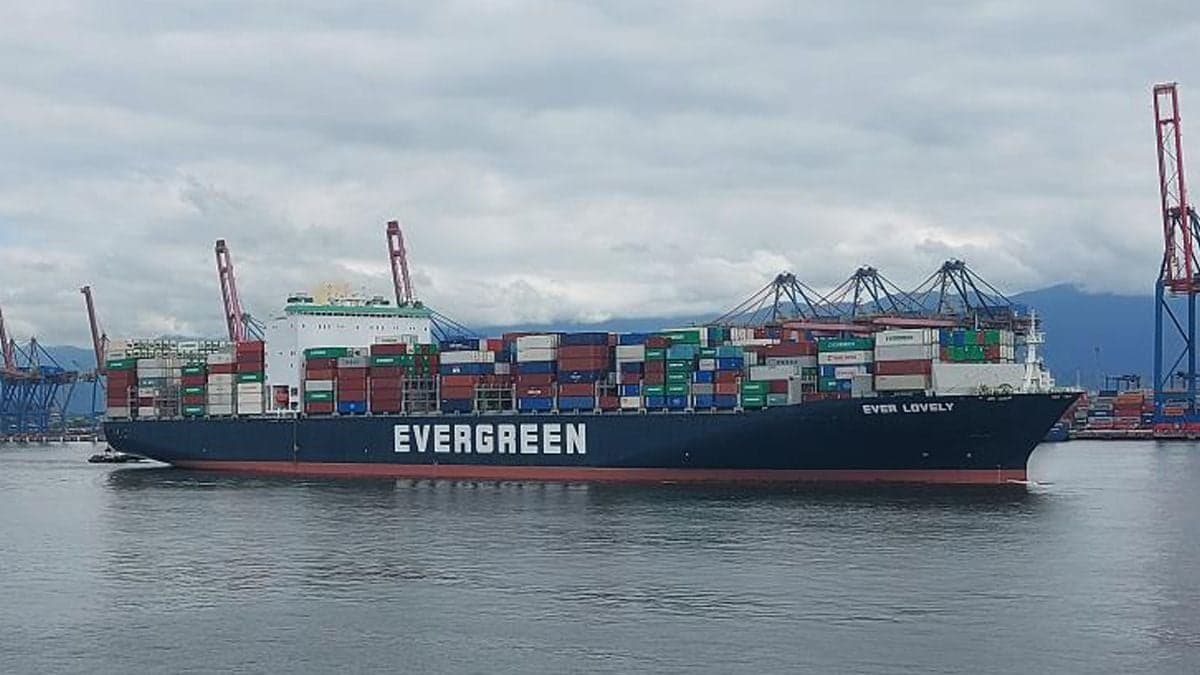
A drone strike on the Singapore-flagged M/V Ever Lovely pulled the United States into direct military action against Iran, after U.S. aircraft hit Iranian missile and drone storage sites and coastal radar positions in response to the attack. The escalation put one of the world’s most important shipping lanes back at the center of a conflict that now threatens oil flows, energy prices and U.S. military exposure across the Gulf.
The U.S. said the strikes answered Iran’s attack on the cargo ship on June 25, when the vessel was hit by a one-way attack drone as it was exiting the Strait of Hormuz along the Omani coast. The attack added fresh pressure to a waterway that carries a large share of the world’s seaborne oil and liquefied gas, and it underscored how quickly a single strike on a commercial vessel can turn into a direct exchange between Washington and Tehran.
The State Department had already framed the strait as a major flashpoint. On May 5, it said Iran was threatening ships, laying sea mines and trying to charge tolls for passage through the waterway. Marco Rubio said in May that two U.S.-flag merchant ships had successfully transited the strait under a U.S.-backed protective effort, a sign that Washington was already treating the corridor as a live security problem for American shipping and global markets.
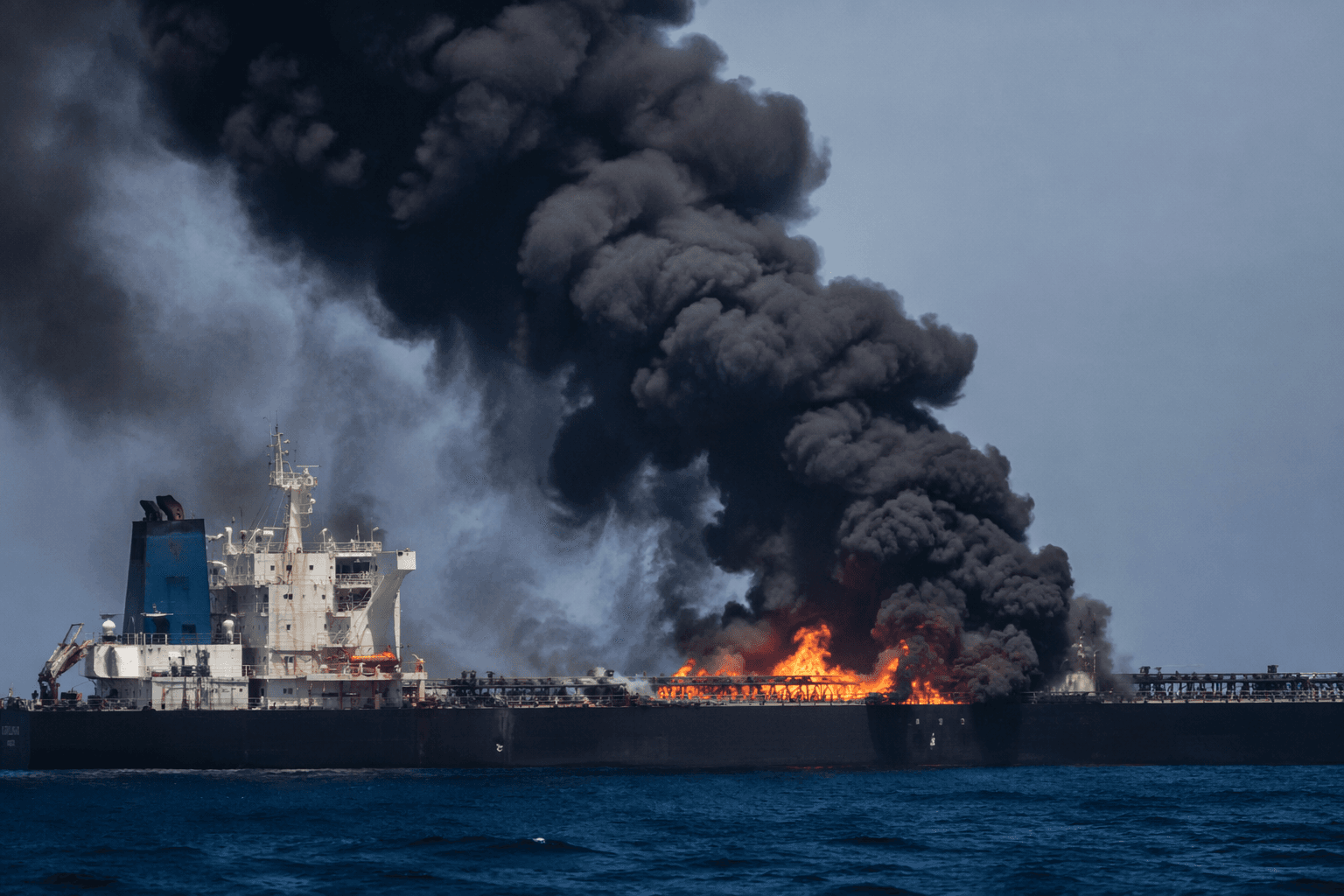
The disruption has also trapped people far beyond the immediate military exchange. CNN reported that about 20,000 seafarers were stranded when the Strait of Hormuz shut down during the war, and the United Nations paused evacuation efforts through the waterway after the latest attack on a vessel. For Americans, the risk runs in three directions at once: higher fuel costs if shipments slow, greater danger for U.S. sailors and military crews in the region, and the chance that a retaliatory cycle pulls more countries into the fight.
The strikes came after weeks of mounting pressure on Iran, including U.S. sanctions in late May and early June that targeted vessels and networks tied to Iranian petroleum, petrochemical and LPG smuggling. That campaign had already tightened the squeeze on Tehran; the latest exchange turned the pressure into open military action and left the Strait of Hormuz more vulnerable to another miscalculation.
This article was produced by Prism’s automated news system from verified source data, official records, and press releases, then run through automated quality and moderation checks before publishing. The system is built and supervised by the people who set the standards it runs under. Read our full AI policy.
Know something we missed? Have a correction or additional information?
Submit a Tip