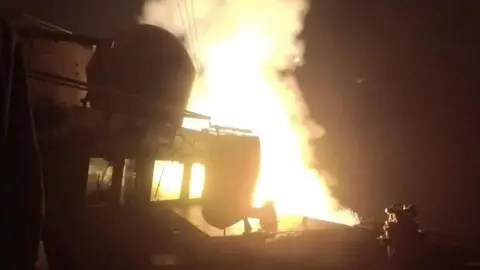
U.S. strikes Iran again as ceasefire frays near Strait of Hormuz
U.S. airstrikes on Iran widened after a helicopter downing near the Strait of Hormuz, while Tehran answered with missile and drone attacks and a closure threat.
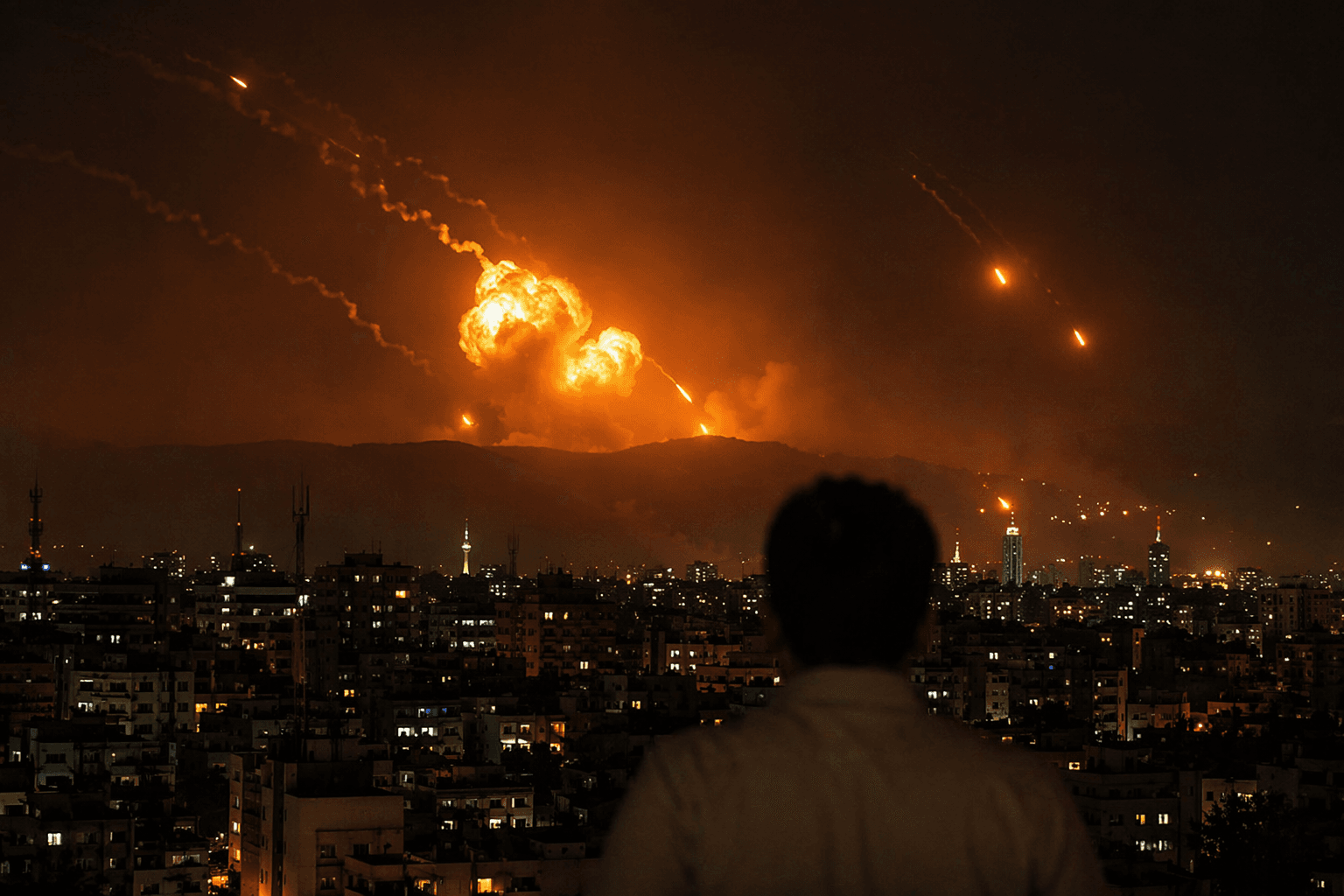
U.S. forces struck Iran again on Wednesday, deepening a clash that is now testing whether Washington has any off-ramp left before escalation hardens into policy. President Donald Trump said Iran would "pay the price" for taking too long to reach a deal, while Defense Secretary Pete Hegseth framed the campaign as "negotiating with bombs."
The strikes began at 5:15 p.m. ET and, according to U.S. Central Command, were "self-defense strikes" in response to Iran’s "unwarranted and continued aggression." Reported targets included ammunition depots, command-and-control nodes, warehouses, and defense and radar facilities near the Strait of Hormuz, a narrow waterway that carries a major share of the world’s oil shipments.
The latest round followed the June 8 downing of a U.S. Army Apache helicopter near the Strait of Hormuz. Trump said the two crew members were rescued, safe, and uninjured, and blamed an Iranian drone for the incident. He also told reporters, "We're going to hit them hard again today," adding that Iran had been "tapping us along" in talks.
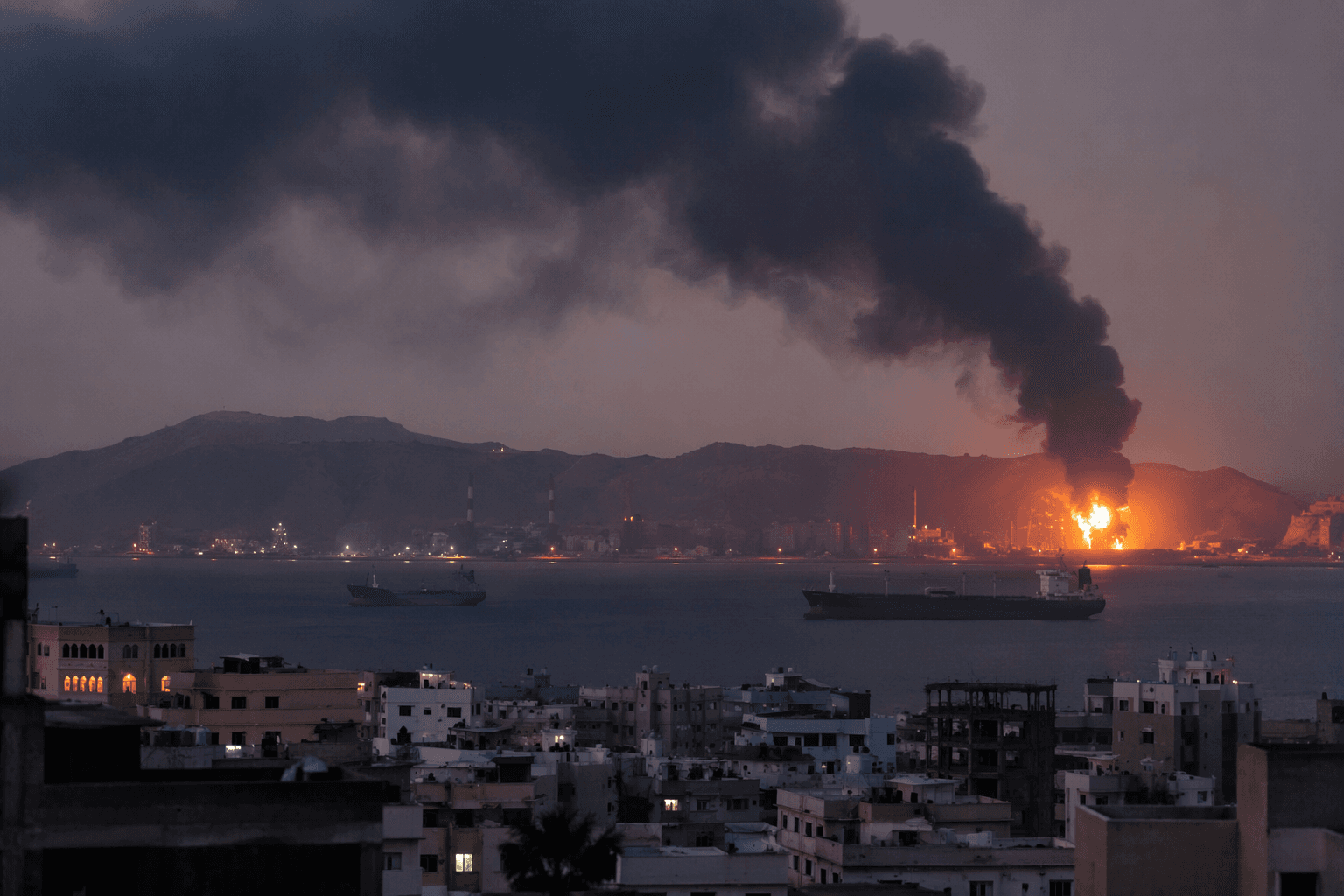
Iran answered with missile and drone attacks on U.S. military installations in Bahrain, Kuwait, and Jordan, though there were no immediate reports of successful hits, only interceptions. Iranian forces also said Wednesday night that the Strait of Hormuz was closed to all traffic, including oil tankers and commercial ships, and warned that any such traffic would be targeted. That threat turned a military confrontation into a direct challenge to global energy security.
The escalation comes as no known direct U.S.-Iran talks have taken place since April 11. It also unfolded the same day the U.S. and allies issued a joint statement condemning Iranian state threat activity in Europe, North America, and Australia by the IRGC-Intelligence Organization, Quds Force, and Ministry of Intelligence and Security. The overlapping military, diplomatic, and intelligence pressure points leave little room for a quick de-escalation. If the strikes continue, the fight could move beyond retaliation and into a broader contest over U.S. war aims, regional retaliation, and whether Congress gets a meaningful say before the conflict widens further.
This article was produced by Prism’s automated news system from verified source data, official records, and press releases, then run through automated quality and moderation checks before publishing. The system is built and supervised by the people who set the standards it runs under. Read our full AI policy.
Know something we missed? Have a correction or additional information?
Submit a Tip