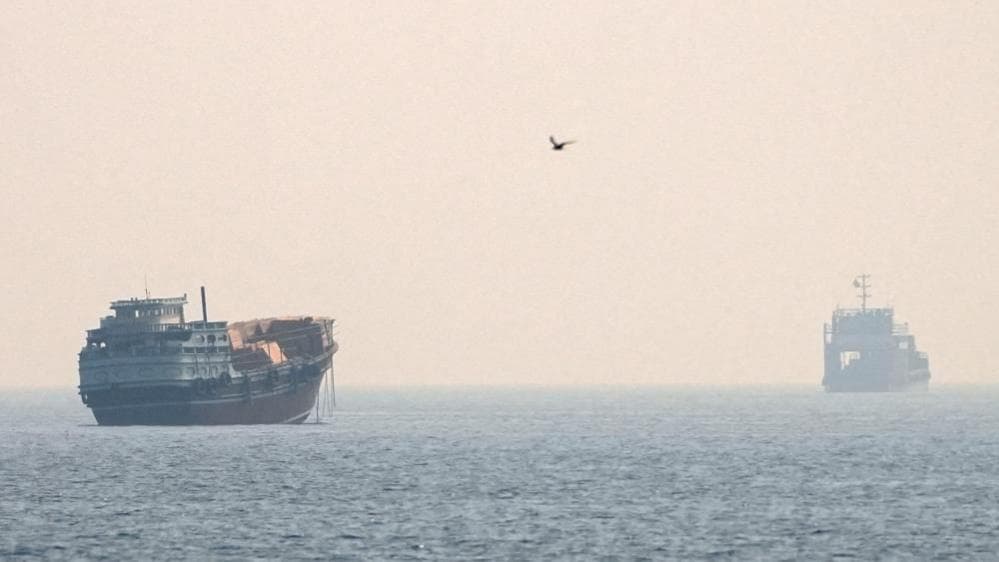
US strikes Iran again as tensions flare over Strait of Hormuz
U.S. strikes on Iran hit about 90 targets, and Tehran ed with missile and drone attacks on Kuwait and Bahrain as the Strait of Hormuz fight widened.

American strikes on Iran on Wednesday triggered Iranian attacks on Kuwait and Bahrain, both home to U.S. military bases, as Washington tried to keep the Strait of Hormuz open to shipping. U.S. Central Command completed another round of strikes that hit roughly 90 military targets along Iran’s coastline, while President Donald Trump said he believed an interim ceasefire with Iran was “over.”
CENTCOM said the targets included air defense systems, coastal surveillance assets, missile and drone storage sites, naval capabilities and military logistics infrastructure. A U.S. official said the Wednesday strikes would be greater in number than Tuesday’s attack, which came after an assault on three cargo ships transiting the Strait of Hormuz. The strikes rattled several cities along Iran’s southern coast and left some areas without power.
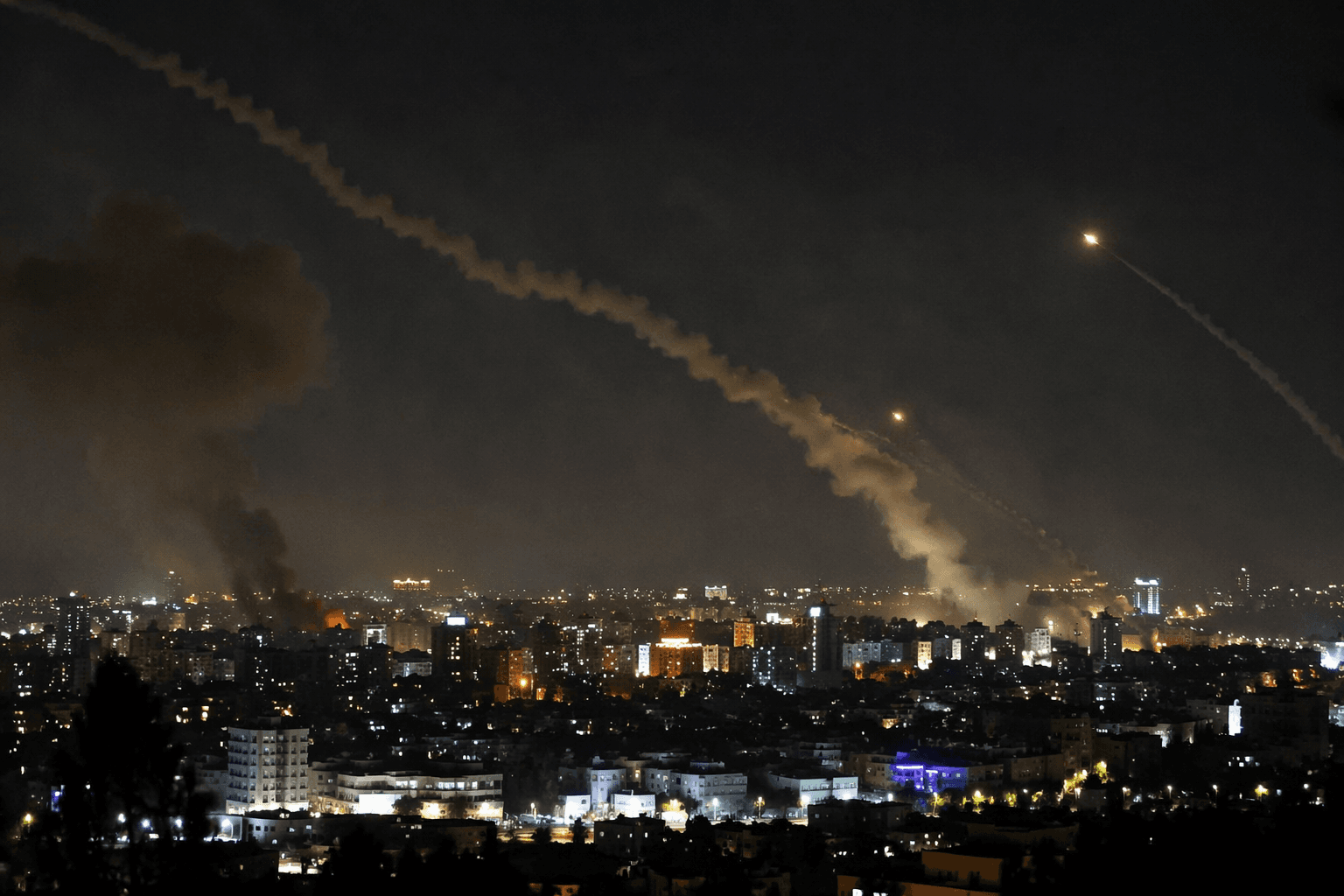
Kuwait’s Defense Ministry said it was intercepting missiles and drones, while Bahrain said its air defenses destroyed “a number” of Iranian aerial attacks. Bahrain’s military accused Iran of a “systematic hostile approach” through missile and drone attacks targeting civilians, and Qatar briefly issued an elevated security threat alert before later giving the all-clear.

CENTCOM said the latest strikes were aimed at further degrading Iran’s ability to threaten freedom of navigation in the Strait of Hormuz, the narrow waterway through which a large share of global oil shipments move. Trump said the latest strikes were “in retribution” for Iran’s attack on commercial ships in the strait, while Iran’s top negotiator, Mohammad Baqer Qalibaf, said the waterway would be reopened only under Iranian arrangements, not through U.S. threats.
The confrontation is unfolding after months of direct and indirect exchanges. On Feb. 28, Trump declared “major combat operations” against Iran after massive joint U.S.-Israeli strikes that hit military, government and infrastructure sites, and Iran’s Supreme Leader Ayatollah Ali Khamenei was killed in those attacks. U.S. and Iranian delegations entered negotiations last month aimed at a war-ending deal based on a memorandum of understanding, even as the two sides exchanged limited strikes in late June. Trump has tied the conflict to a long record of attacks on Americans, citing the 1979 U.S. Embassy takeover in Tehran, the 1983 Beirut barracks bombing, the 2000 attack on the USS Cole and years of attacks on U.S. forces and shipping.
This article was produced by Prism’s automated news system from verified source data, official records, and press releases, then run through automated quality and moderation checks before publishing. The system is built and supervised by the people who set the standards it runs under. Read our full AI policy.
Did this article answer your question?