U.S. Tanker Seizure Forces Venezuela to Accept Steeper Oil Discounts
A U.S. seizure of an oil tanker off Venezuela on December 16 has accelerated a commercial squeeze on PDVSA, as buyers demand deeper discounts and new payment terms to cover seizure and routing risk. The development threatens to cut the government’s oil revenue at a moment when Caracas relies on crude income to sustain subsidies and political stability.
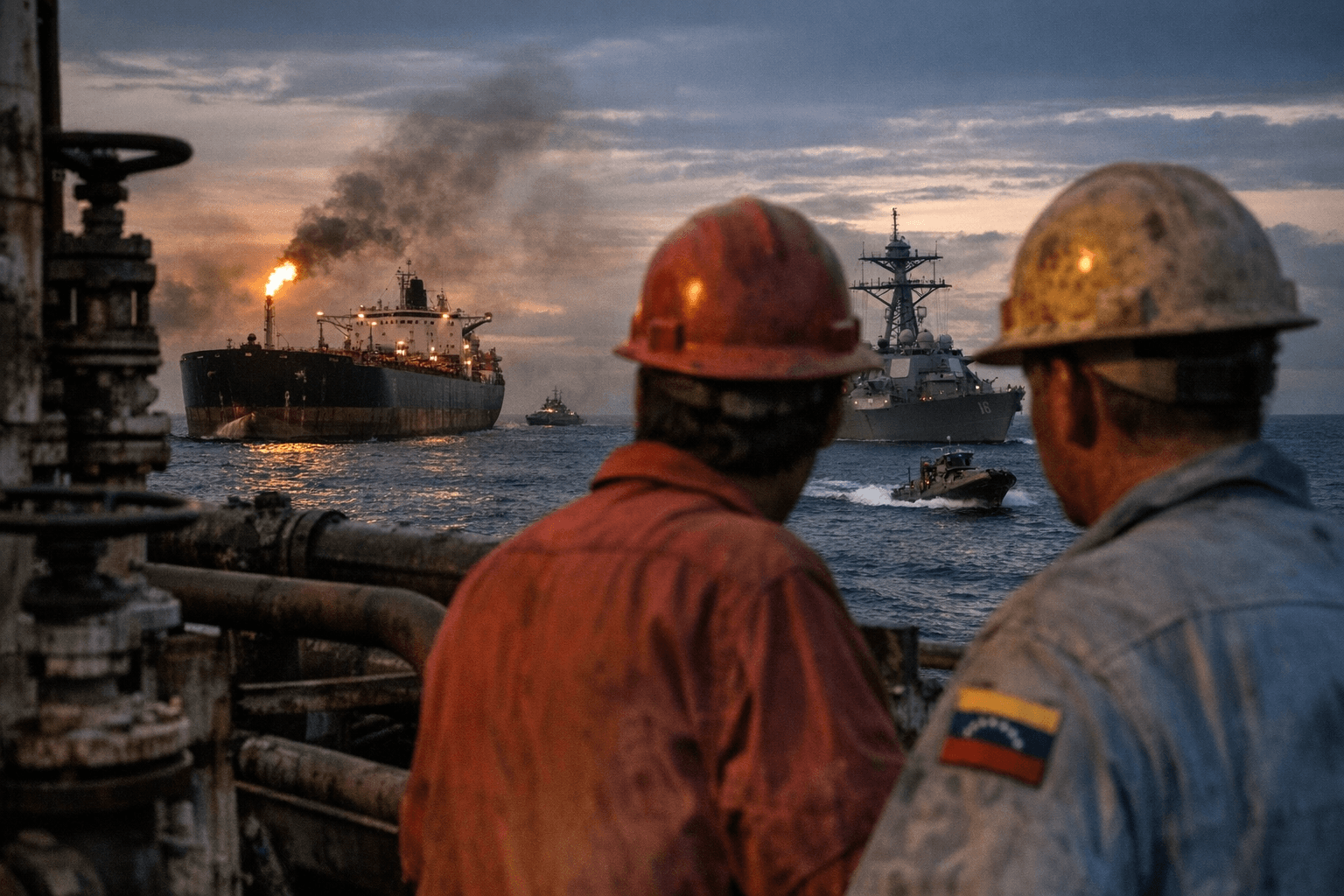
U.S. authorities seized an oil tanker off the Venezuelan coast on December 16, an action linked to flows of sanctioned Venezuelan crude that sent immediate ripples through trading rooms and government coffers. Traders, buyers and analysts said the seizure raised loading and transit risks, prompting purchasers to demand larger discounts on heavy Venezuelan grades and to insist on contract terms that shift more financial exposure away from prepayment to PDVSA.
Market participants described a markedly tougher commercial environment for Venezuela. Buyers in Asian markets and the more opaque segments of the crude trade are pressing for price concessions, and many are reluctant to provide the large upfront payments that Caracas traditionally required. One commercial example highlighted by market sources involved a tanker carrying about 2 million barrels that, even after existing discounts, was worth roughly US$100 million. Market commentators said very few buyers would be willing to prepay sums of that magnitude given the risk of seizure.
Discount levels reported by traders have widened. An early 2026 cargo was priced at approximately US$15 per barrel below Brent, a significant increase from discounts of US$5 to US$8 per barrel that were seen late last year. Analysts including Francisco J. Monaldi argued in mid December 2025 that the seizure is likely to widen discounts further, compounding an already difficult market for heavy, high sulfur grades that require additional processing and attract lower bids in a low price environment.
Regional demand patterns are reshaping the buyer base. China and India have absorbed increased Venezuelan flows since U.S. market access closed, but Asian buyers are now facing a glut of alternative sanctioned barrels from Russia and Iran. That competition gives purchasers leverage to demand steeper cuts on price and to insist on payment structures that reduce their seizure exposure. For Venezuela, the choice has been to move more volume at lower realized prices, or to risk idled cargoes and mounting logistical costs.
The current squeeze builds on a longer history. U.S. oil sector sanctions targeting PDVSA were enacted in 2019, effectively closing an estimated 0.5 million barrels per day of sales to the United States and accelerating Caracas's reorientation toward non U.S. buyers. Production had already been depressed by earlier financial measures and, at the time the 2019 sanctions were imposed, output was reported at roughly 1.3 million barrels per day.
Security and operational considerations are adding to commercial pressure. Increased U.S. maritime presence in the Caribbean and a heightened perception of seizure risk have made charterers and shipowners more cautious, and those costs and liabilities are now being priced into crude deals. The net effect is lower headline revenue per barrel for PDVSA even where export volumes rise.
Politically the consequences are acute. Venezuelan authorities depend on oil receipts to fund subsidies and social programs that help blunt public unrest and to manage domestic pressure following a disputed 2024 election. Analysts warn that sustained deeper discounts and more buyer friendly contract terms could further erode the government’s fiscal breathing room, forcing difficult trade offs between short term cash flow and long term price realization.
This article was produced by Prism’s automated news system from verified source data, official records, and press releases, then run through automated quality and moderation checks before publishing. The system is built and supervised by the people who set the standards it runs under. Read our full AI policy.
Did this article answer your question?