U.S. to deport migrants to Central African Republic despite travel warning
Nearly two dozen migrants, including women, face deportation to the Central African Republic, even as Washington warns Americans not to travel there for any reason.
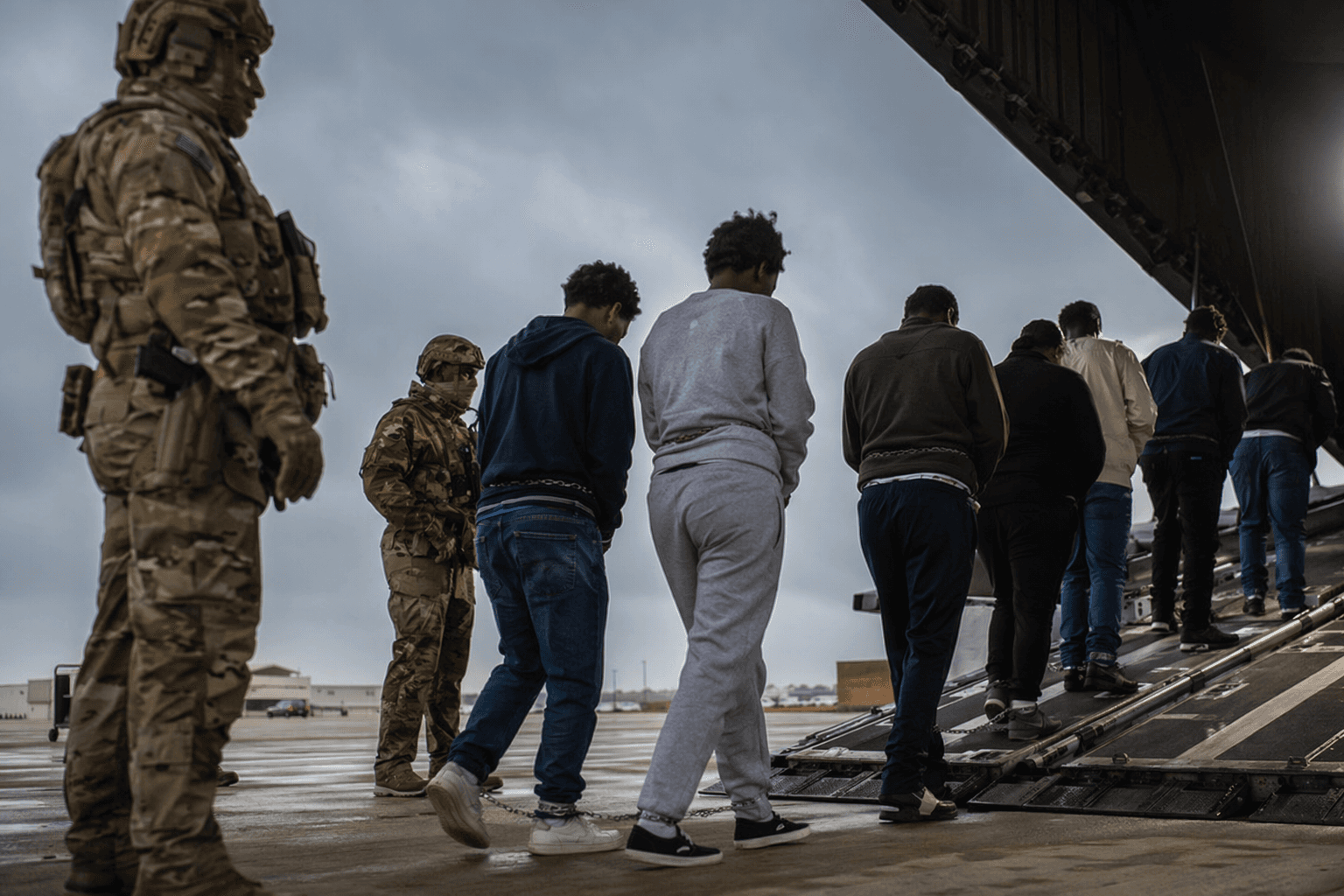
The Trump administration is preparing to send nearly two dozen migrants, including women, to the Central African Republic, a country the U.S. government tells Americans not to visit for any reason. The planned removals sharpen a basic contradiction in policy: Washington says the Central African Republic is too dangerous for its own personnel and citizens, yet it is weighing transfers there for people in immigration custody.
The State Department’s Level 4 advisory, issued January 15, 2026, cites unrest, crime, kidnapping, health risks, terrorism, landmines and the limited ability of U.S. officials to provide emergency services. American government employees in the country need special authorization to travel outside Bangui, must use armored vehicles in the capital and operate under a curfew; family members are barred from joining them. The advisory also says yellow fever vaccination is required for arriving travelers.
The move comes as the administration expands third-country deportation deals with African governments. Reuters reported June 7 that the Central African Republic agreed to accept migrants deported by the United States after a May 18 meeting in Bangui with a U.S. delegation led by Christian Jové Ehrhardt, the State Department’s deputy assistant secretary in the Bureau of Population, Refugees and Migration. Reuters has reported similar transfers already have gone to the Democratic Republic of Congo, Ghana, Sierra Leone and Equatorial Guinea. Rights groups have said such arrangements allow the United States to sidestep immigration-court protections.
The legal fight over the practice is already underway. On May 22, U.S. District Judge Lee Rosenthal issued a temporary restraining order after U.S. officials planned to deport a Turkish national to the Central African Republic on May 26. Reuters reported that neither the government source nor a diplomat who described the deal could say how many migrants would be sent, what their nationalities were or when flights would begin. An official at the International Organization for Migration said the agency would be involved in helping deportees once they arrive.

The destination itself is one of the world’s most fragile states. The Central African Republic has endured repeated unrest since independence from France in 1960 and has about 5.5 million people living mostly in poverty. UNHCR said that as of December 2025, 447,100 people inside the country were displaced, 62,700 were refugees or asylum-seekers, and 701,800 Central Africans were living as refugees or asylum-seekers in neighboring countries. If the deportations proceed, they would deepen a policy that pushes vulnerable people into one of the harshest reception environments on the U.S. travel warning list.
This article was produced by Prism’s automated news system from verified source data, official records, and press releases, then run through automated quality and moderation checks before publishing. The system is built and supervised by the people who set the standards it runs under. Read our full AI policy.
Did this article answer your question?

