U.S. to indict Raúl Castro over 1996 Cuba plane shootdown
The administration paired a planned indictment of Raúl Castro with a $100 million aid pitch, linking a 1996 shootdown case to a new pressure campaign on Havana.

The Trump administration moved to couple legal pressure on Havana with a humanitarian overture, as federal officials were set to unseal an indictment tied to Raúl Castro’s role in the 1996 shootdown of two Brothers to the Rescue planes. All four men aboard the aircraft were killed in the Feb. 24 attack, and any criminal charge would still need grand jury approval.
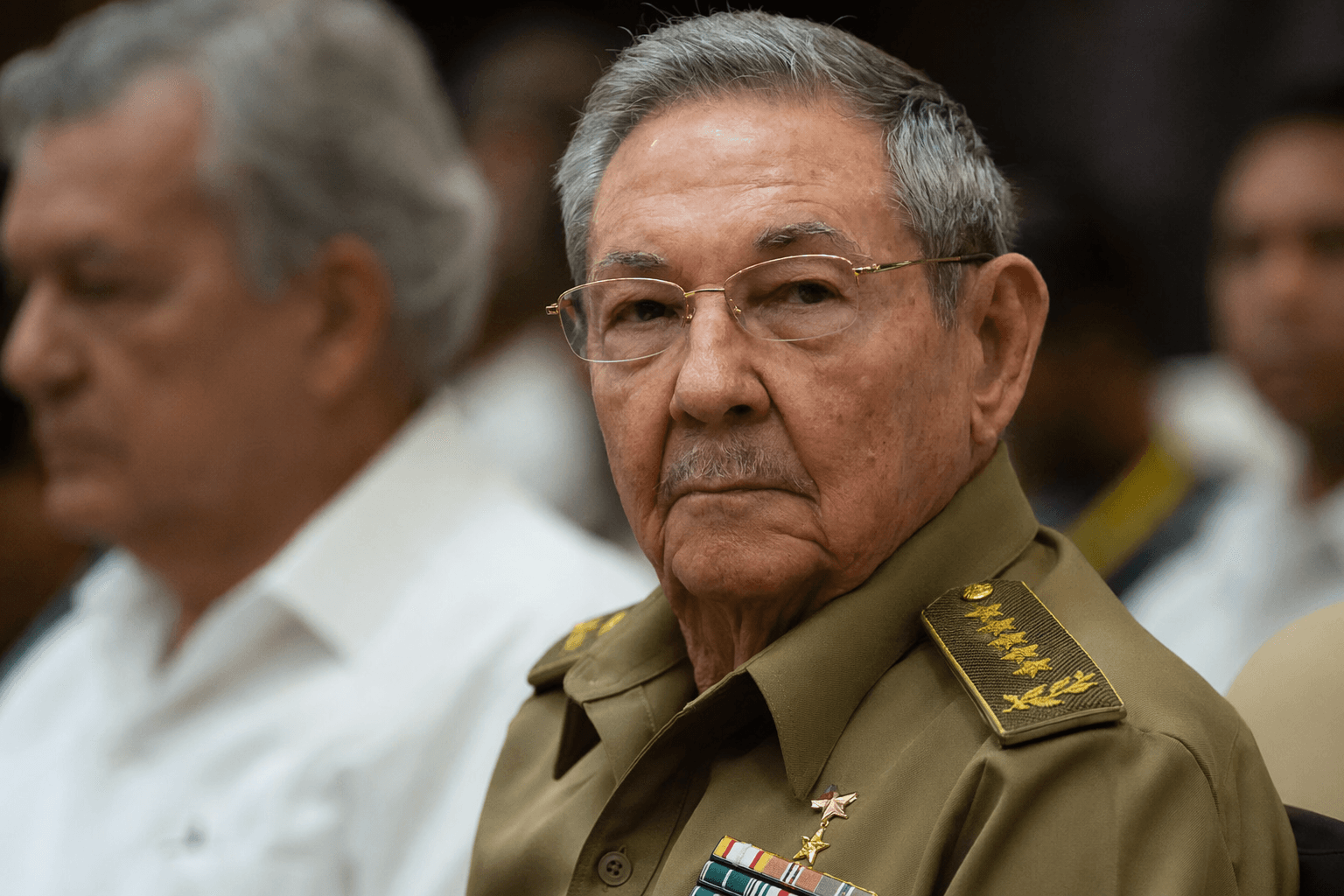
Castro, Fidel Castro’s brother, was Cuba’s defense minister when the planes were shot down over the Florida Straits. The case was being advanced alongside a Justice Department event at Miami’s Freedom Tower honoring the victims, a setting that underscored how deeply the episode still shapes South Florida politics and exile memory. Cuban exiles in Miami viewed May 20 as a symbolic date tied to Cuban Independence Day, also known as Liberation Day.
At the same time, Secretary of State Marco Rubio released a Spanish-language video message to Cubans offering a “new path” and proposing $100 million in food and medicine. Rubio said the aid should be delivered through the Catholic Church or other charities so it would not flow through Grupo de Administración Empresarial S.A., the military-linked conglomerate known as GAESA. CBS reported Rubio said GAESA has about $18 billion in assets and controls 70% of Cuba’s economy, a level of economic reach that makes the aid channel itself part of the political fight.
The move sharpened the administration’s argument that Cuba’s leadership is responsible for the island’s deepening crisis. Officials and reporting have pointed to rolling blackouts that can last up to 24 hours, fuel shortages, food insecurity and mounting unrest, with protests breaking out amid the outages. Cuban Foreign Minister Bruno Rodríguez rejected the pressure campaign, insisting Cuba remained on a path of sovereignty despite sanctions and threats.
The indictment and Rubio’s aid message put two strategies on the table at once: punishment for a decades-old killing and a narrow humanitarian opening that bypasses the state. Cuban-American Rep. Carlos Gimenez called the expected indictment “long overdue,” while Archbishop Thomas Wenski said the Catholic Church in Miami was prepared to help distribute aid. Together, the moves signaled that Washington is not just revisiting history, but trying to use it to reset the terms of leverage with Havana.
Know something we missed? Have a correction or additional information?
Submit a Tip