U.S. vaccine sector chilled as Kennedy's policies reshape guidance
Health Secretary Robert F. Kennedy Jr.'s policy shifts alter vaccine recommendations and prompt legal and industry pushback.
Policy changes by Health Secretary Robert F. Kennedy Jr. have shifted federal vaccine guidance and unsettled the industry that produces inoculations, prompting a multi‑plaintiff lawsuit and warnings about the public health consequences of procedural departures.
In late May, federal guidance removed COVID-19 vaccines from routine recommendations for healthy children and pregnant women, a move that health systems and medical groups say reduces clarity for clinicians and may hinder access for vulnerable patients. At the same time, the roster of experts who traditionally staff the Advisory Committee on Immunization Practices was replaced with appointees named by Kennedy, altering a long-standing advisory pathway that informs immunization schedules.
A suite of leading medical organizations plus individual plaintiffs have filed a 42‑page complaint alleging that the administration failed to follow statutory requirements and agency procedures when it changed vaccine policy. The suit contends that the Administrative Procedure Act governs how intra‑agency guidance and advisory‑committee actions must be handled and that those steps were not observed in the recent changes. Among the individual plaintiffs is a Massachusetts physician identified in filings as Jane Doe, described as pregnant and concerned about losing access to a COVID-19 vaccine under the revised recommendations.
Industry reaction has been immediate. Investors and executives in the vaccine sector describe a chilling effect as rhetoric critical of vaccines has translated into concrete policy shifts. Firms and financiers say the alterations inject regulatory uncertainty into product planning, licensing strategy, and market forecasts, though no company has publicly quantified financial losses or disclosed legal actions of its own.
Public health experts warn that altering recommendation processes without transparent adherence to established procedures risks eroding clinician confidence and public trust. James Hodge, director of the Center for Public Health Law and Policy at Arizona State University, said the complaint "makes a plausible case here that they did not follow proper procedures at all, related to ACIP recommendations," and added that those procedural allegations are where "the court has to take this case seriously." Legal analysts note that procedural claims under the Administrative Procedure Act rarely turn on scientific disagreements; they focus instead on whether agencies followed required notice, comment, and advisory processes.
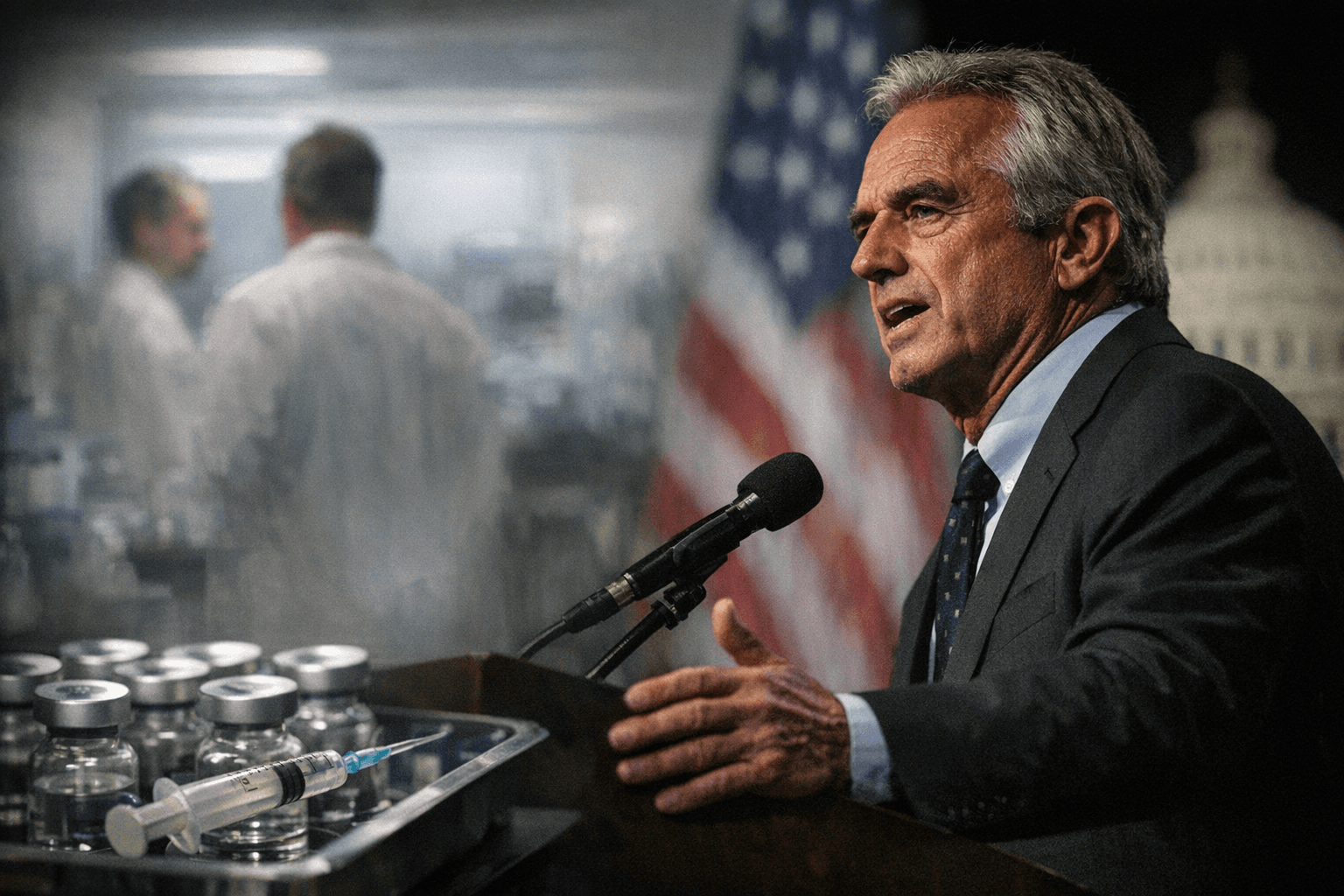
The practical effects could be significant. Removal of a federal recommendation can change insurance coverage, hospital protocols, and availability in community clinics, disproportionately affecting low-income and marginalized populations who already face barriers to preventive care. Pregnant people and parents navigating pediatric care may confront mixed messages at a time when consistent guidance is essential to maintaining vaccine coverage for respiratory and other infectious diseases.
What remains unclear is the administration's legal defense, a full list of plaintiff organizations, and a detailed chronology of the internal deliberations that led to recommendation changes. Public records requests and court filings will be central to establishing whether procedural requirements were waived or met.
The dispute raises broader questions about how health policy is set and how federal procedures protect both scientific rigor and public confidence. For clinicians and communities alike, the outcome will determine not only the course of specific COVID-19 recommendations but also whether longstanding advisory mechanisms remain a dependable bridge between science and policy.
This article was produced by Prism’s automated news system from verified source data, official records, and press releases, then run through automated quality and moderation checks before publishing. The system is built and supervised by the people who set the standards it runs under. Read our full AI policy.
Did this article answer your question?