US warns ASML over possible China access to top chip tool
Washington's warning to ASML puts a possible EUV diversion to China at the center of allied export-control enforcement, with huge stakes for chipmaking and trade.
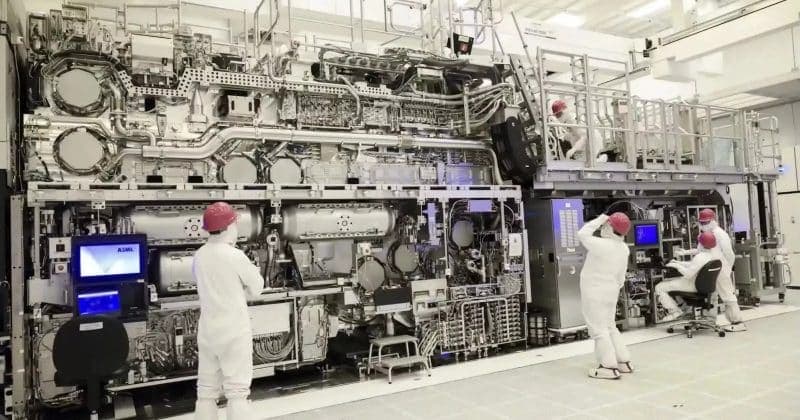
U.S. Commerce Secretary Howard Lutnick has warned ASML that Washington is worried one of the Dutch company’s most advanced chipmaking machines may have reached China, a suspected breach that would expose cracks in the U.S.-led export-control wall around advanced semiconductors. The concern centers on extreme ultraviolet, or EUV, lithography tools, the highly specialized systems used to print the microscopic circuits behind the most advanced chips.
Lutnick raised the issue in a series of meetings with ASML senior leaders, according to the account. ASML pushed back, saying EUV tools require constant maintenance by ASML employees and that the company has not shipped EUV equipment to China. The dispute matters because a single suspected diversion would not just be a compliance problem for one supplier; it would test whether Washington, The Netherlands and other allies can actually police the movement of the world’s most sensitive manufacturing gear.
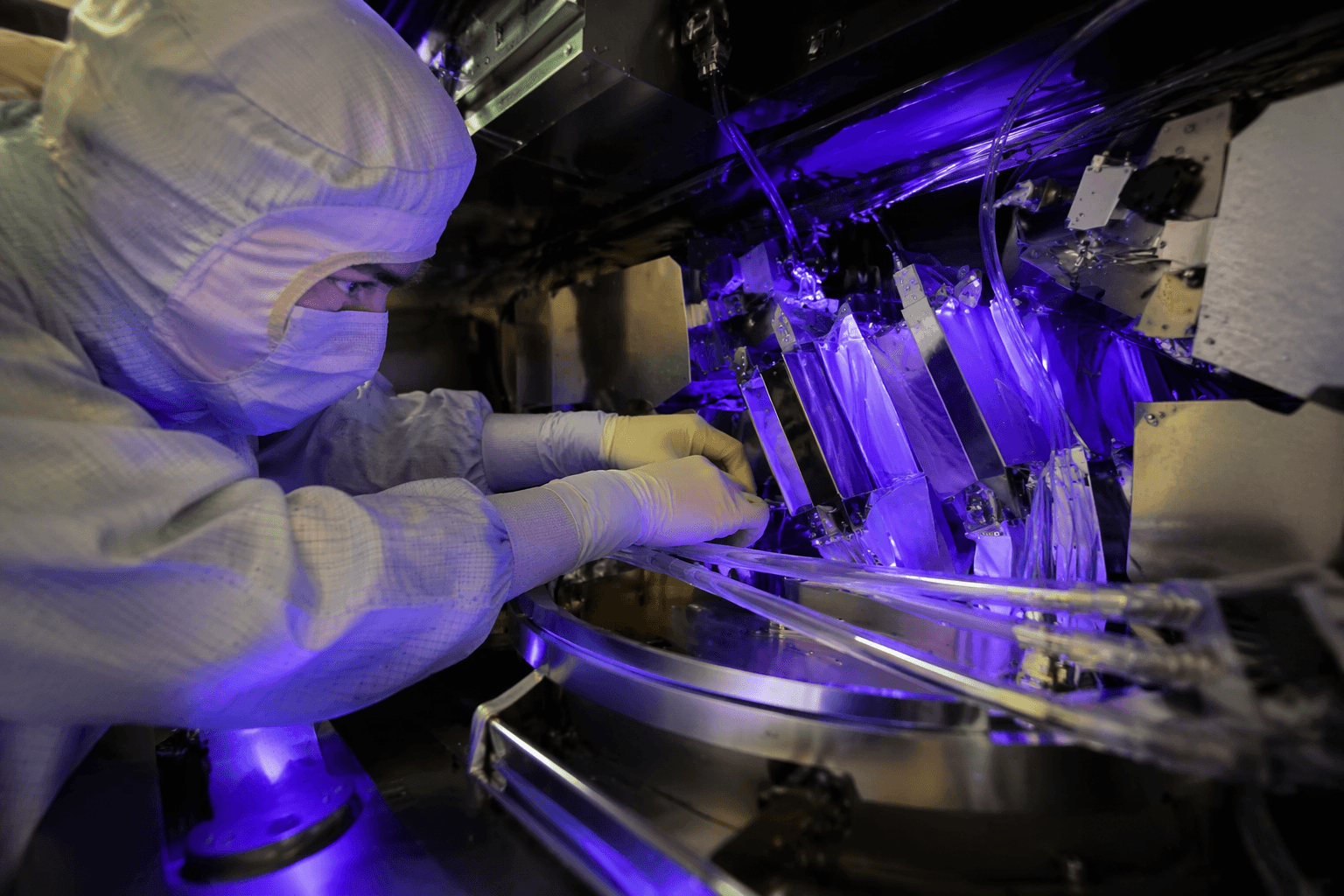
The stakes are amplified by ASML’s central role in the global chip supply chain. The company said in its 2024 annual report that it generated €28.3 billion in net sales, employed 44,027 people and returned €3.0 billion to shareholders. Public reporting on that annual report shows China was ASML’s largest market in 2024, accounting for €10.195 billion, or 36.1% of net sales. Any further tightening of restrictions on China could therefore hit one of Europe’s most important technology companies while also reshaping access to the machines that help power processors for smartphones, AI accelerators, and high-end computing systems.
The policy backdrop has been tightening for years. ASML said in March 2023 that sales of its EUV tools had already been restricted since 2019, and that the Dutch government’s March 8, 2023 export-control announcement applied to the most advanced immersion DUV systems, not all lithography tools. The U.S. Bureau of Industry and Security then updated its semiconductor controls on October 17, 2023, expanding restrictions on semiconductor manufacturing equipment and broadening licensing requirements to 21 additional arms-embargoed countries.
The warning to ASML now reads as a stress test for allied enforcement. If advanced equipment can still slip through, pressure will rise for even tighter coordination between Washington and The Hague, and possibly for broader restrictions from Japan and other suppliers. For a market already defined by licensing rules, sanctions and strategic mistrust, one suspected machine crossing the wrong border could trigger another round of escalation across the global semiconductor industry.
This article was produced by Prism’s automated news system from verified source data, official records, and press releases, then run through automated quality and moderation checks before publishing. The system is built and supervised by the people who set the standards it runs under. Read our full AI policy.
Know something we missed? Have a correction or additional information?
Submit a Tip