U.S. warships block Iranian ports after peace talks collapse
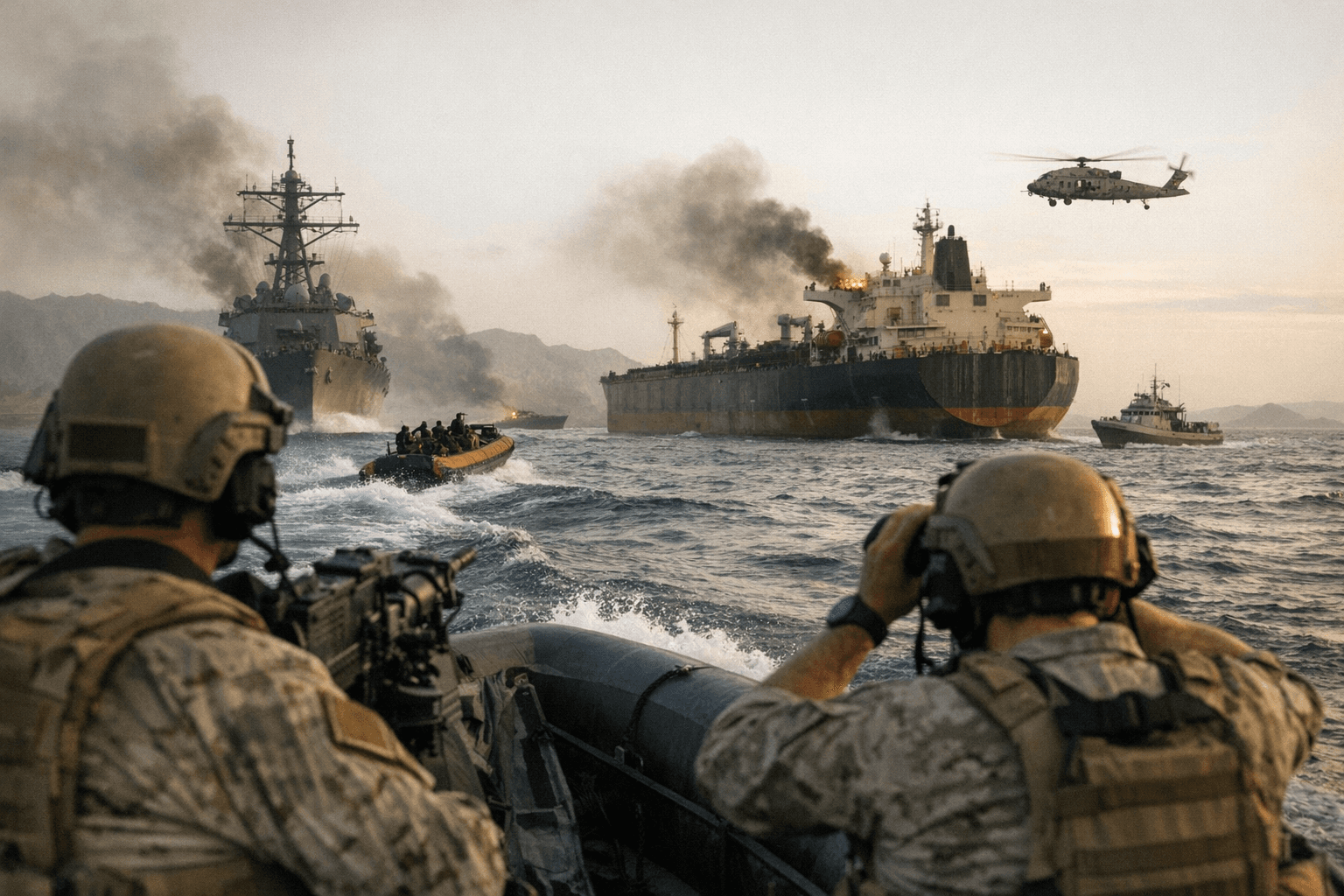
U.S. warships sealed off Iranian ports as oil traders braced for a direct hit to the Strait of Hormuz, where about 20 million barrels a day move.
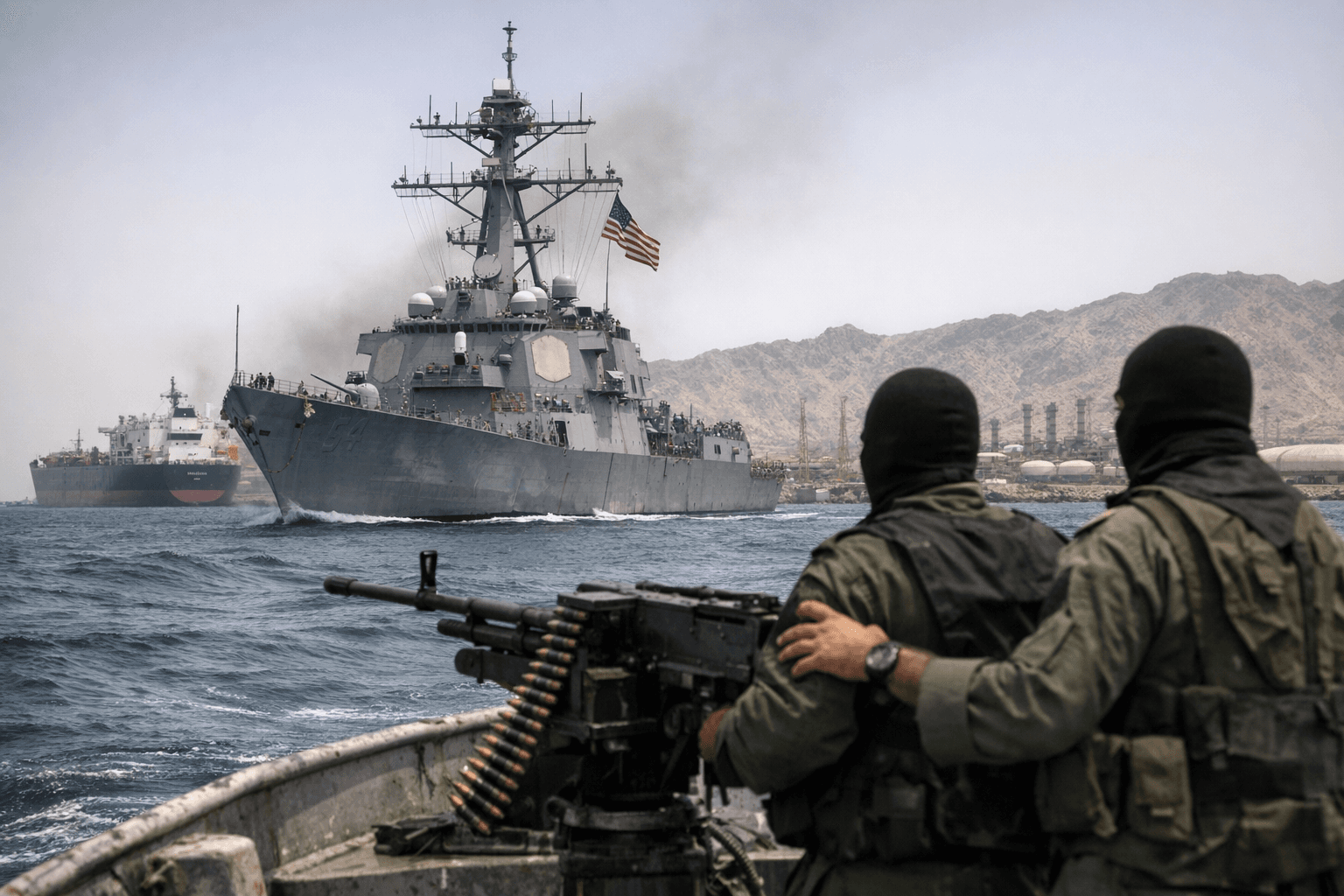
The blockade threatens one of the world’s most fragile energy corridors at the exact moment oil markets were already on edge. At least 13 U.S. warships began blocking tankers moving to and from Iranian ports, a move meant to squeeze Tehran’s economy and raise the pressure for a deal, while Brent crude climbed close to $100 a barrel as disruption fears spread through shipping and fuel markets.
U.S. Central Command said the operation began April 13 at 10 a.m. ET and covers all maritime traffic entering and exiting Iranian ports and coastal areas in the Arabian Gulf and Gulf of Oman. CENTCOM said the measure would be enforced impartially against vessels of all nations, but it would not interfere with ships merely transiting the Strait of Hormuz to and from non-Iranian ports. Mariners were told to monitor Notice to Mariners broadcasts and contact U.S. naval forces on bridge-to-bridge channel 16.
The move came after peace talks in Islamabad collapsed over the weekend. Reuters reported the negotiations lasted about 21 hours and ended without an agreement. Vice President JD Vance said Iran chose not to accept U.S. terms, while Iranian parliament speaker Mohammad Bagher Qalibaf said the United States had failed to earn the Iranian delegation’s trust. Donald Trump said the aim was to force Iran to reopen the strait and accept a deal, and he warned Iranian fast-attack boats to stay away from U.S. forces enforcing the blockade.
The stakes are hard to overstate. The International Energy Agency says about 20 million barrels per day of crude oil and oil products moved through the Strait of Hormuz in 2025, roughly a quarter of global seaborne oil trade. The waterway is only about 21 nautical miles wide at its narrowest point, which makes it especially vulnerable to interdiction, accidents or retaliation. The U.S. Energy Information Administration said the strait had been effectively closed to shipping traffic amid the conflict, turning a regional confrontation into a direct threat to global supply chains.
The legal and diplomatic question now is whether this amounts to an act of war. Military Times reported that experts see the operation as a major, open-ended undertaking that could require a large, continuing naval presence and could force Washington to decide whether to board, seize, damage or sink ships that challenge the blockade. Iran has already threatened retaliation against Gulf neighbors’ ports, raising the risk of strikes on infrastructure, shipping lanes and fertilizer and fuel flows far beyond Iranian waters. The last time the region was this exposed, the United States ran Operation Earnest Will in 1987 and 1988, the largest U.S. naval convoy operation since World War II.
Sources:
Know something we missed? Have a correction or additional information?
Submit a Tip