U.S. weighs Cuba retaliation as tensions surge over military action
U.S. planners are gaming out Cuban retaliation as intelligence flights multiply and officials warn of drone strikes on Guantánamo Bay and Key West.
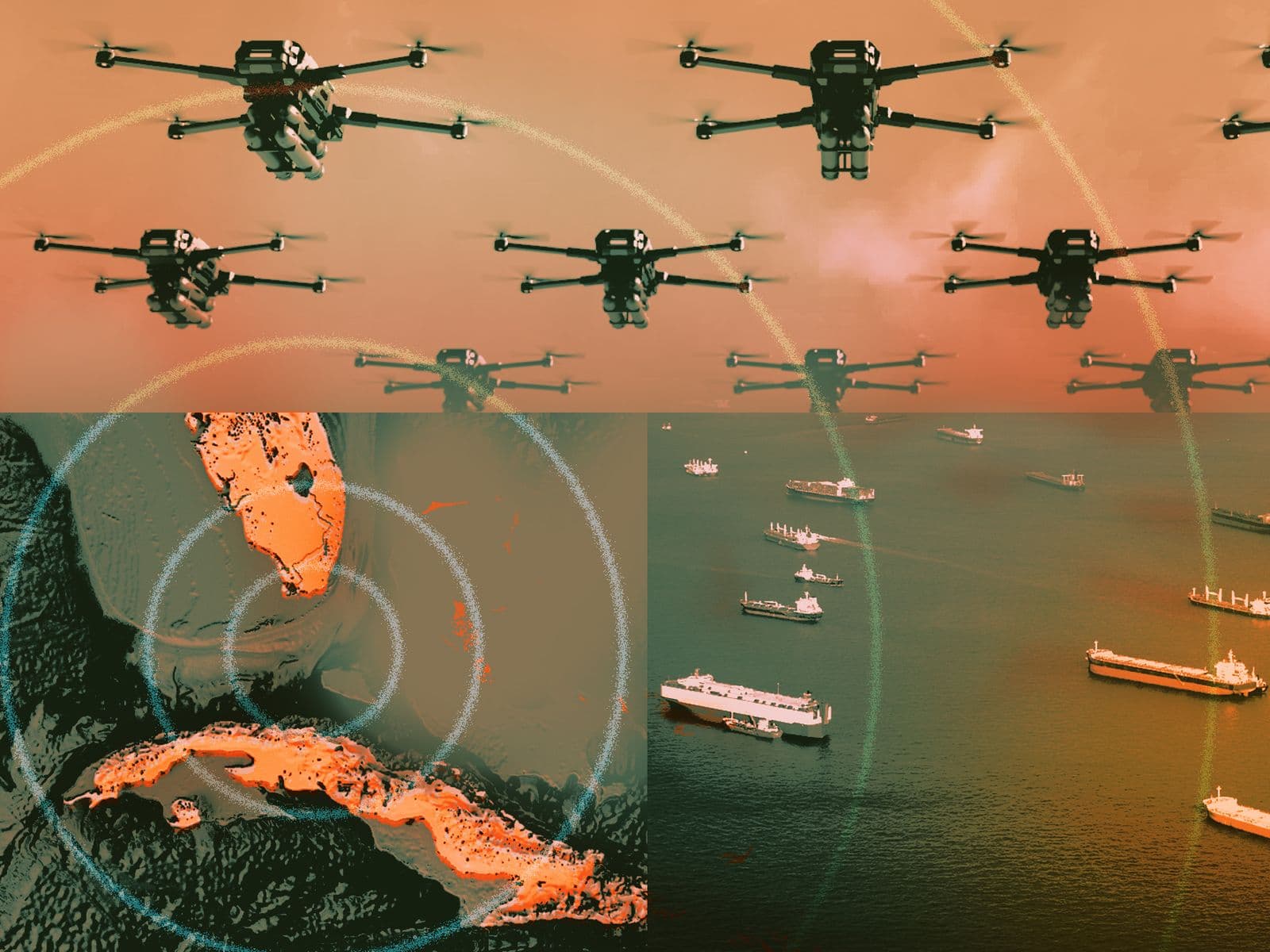
U.S. intelligence agencies are mapping not just what a strike on Cuba could do, but what Cuba could do next. The Pentagon and the Defense Intelligence Agency began assessing possible Cuban retaliation while tracking the sanctioned Russian-flagged tanker Universal bound for Cuba, as work began on military options for President Donald Trump.
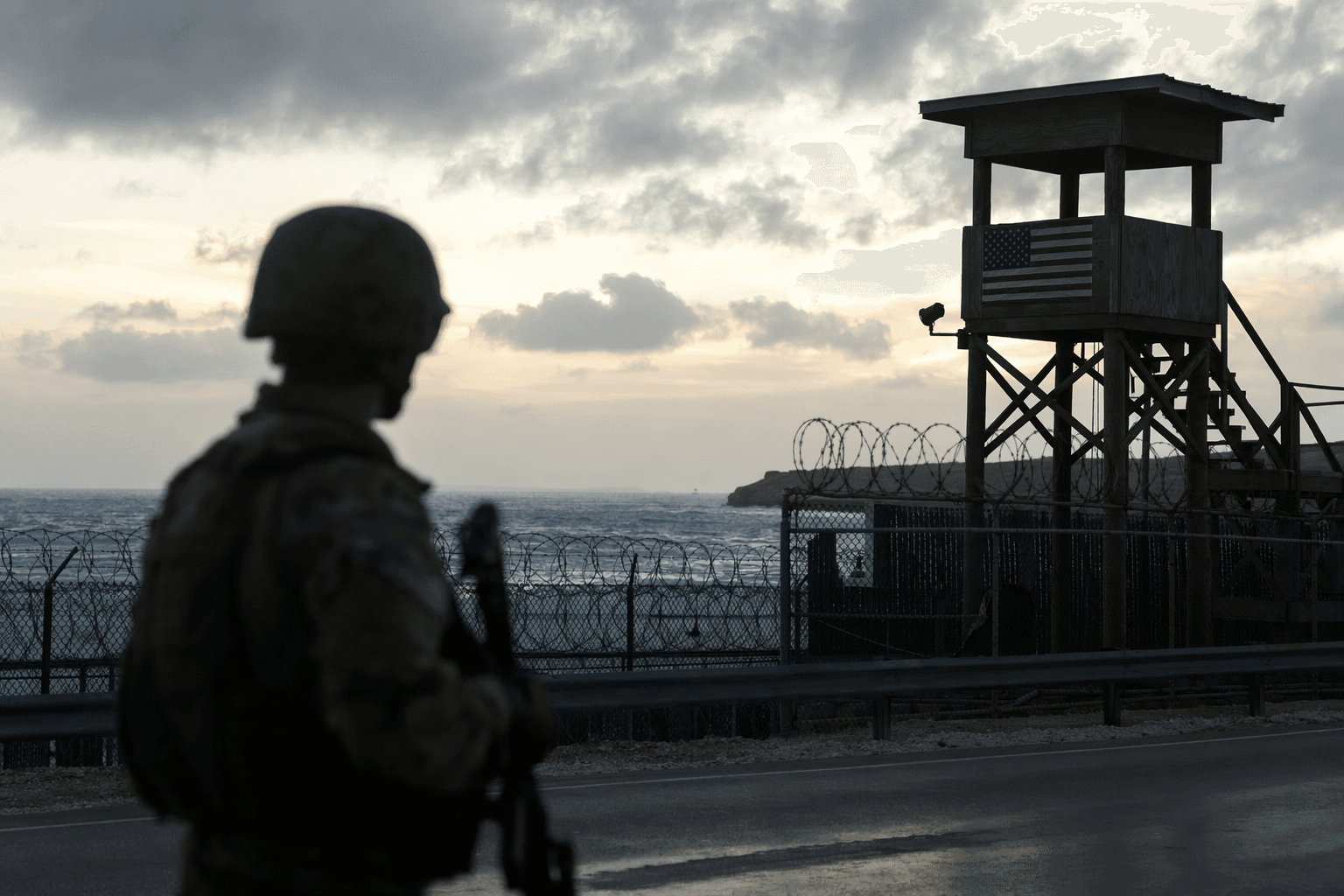
That planning reflects the chain-reaction logic that drives national-security forecasting: an initial U.S. move could trigger second- and third-order consequences across the Caribbean, from drone attacks on the U.S. naval base at Guantánamo Bay to threats against U.S. military vessels and even Key West, Florida. Officials say Cuba has become more difficult to assess because of drone warfare, the presence of Iranian military advisers in Havana, and the possibility that any clash could widen beyond the island’s shoreline.
The pressure campaign has already sharpened. U.S. surveillance flights near Cuba have risen sharply, with at least 25 Navy and Air Force intelligence flights reported since February 4, 2026. At the same time, sanctions have targeted Cuban entities while economic stress on the island has deepened, adding fuel to the prospect that military signaling could produce a wider regional shock rather than a contained confrontation.
Cuban leaders have answered with unusually stark warnings. Foreign Minister Bruno Rodriguez called U.S. threats of military action dangerous and an international crime, arguing that Washington was hinting at action to “liberate” Cuba while ignoring decades of sanctions that have hammered the country’s economy and society. President Miguel Díaz-Canel went further on May 18, warning that any U.S. military action would cause a bloodbath with incalculable consequences and insisting that Cuba does not represent a threat.
The risks are heightened by the scale of Cuba’s reported military buildup. U.S. officials believe Cuba has acquired more than 300 military drones from Russia and Iran since 2023, a stockpile that could give Havana asymmetric options if Washington escalates. That is why planners are looking beyond a single military response and into a broader retaliation cycle, including possible attacks on U.S. targets in the region.
The history looms over every scenario. In October 1962, the Cuban Missile Crisis brought the United States and the Soviet Union to the brink of nuclear war. U.S. blockade preparations and invasion planning then were built on intelligence that first identified Soviet missile deployments on the island. The same geographic and strategic realities still apply today, but Cuba’s severe fuel shortages and reports that the country has run out of oil and diesel make the stakes even less predictable. In a crisis built on scarcity, retaliation could spread faster than any side expects.
Know something we missed? Have a correction or additional information?
Submit a Tip