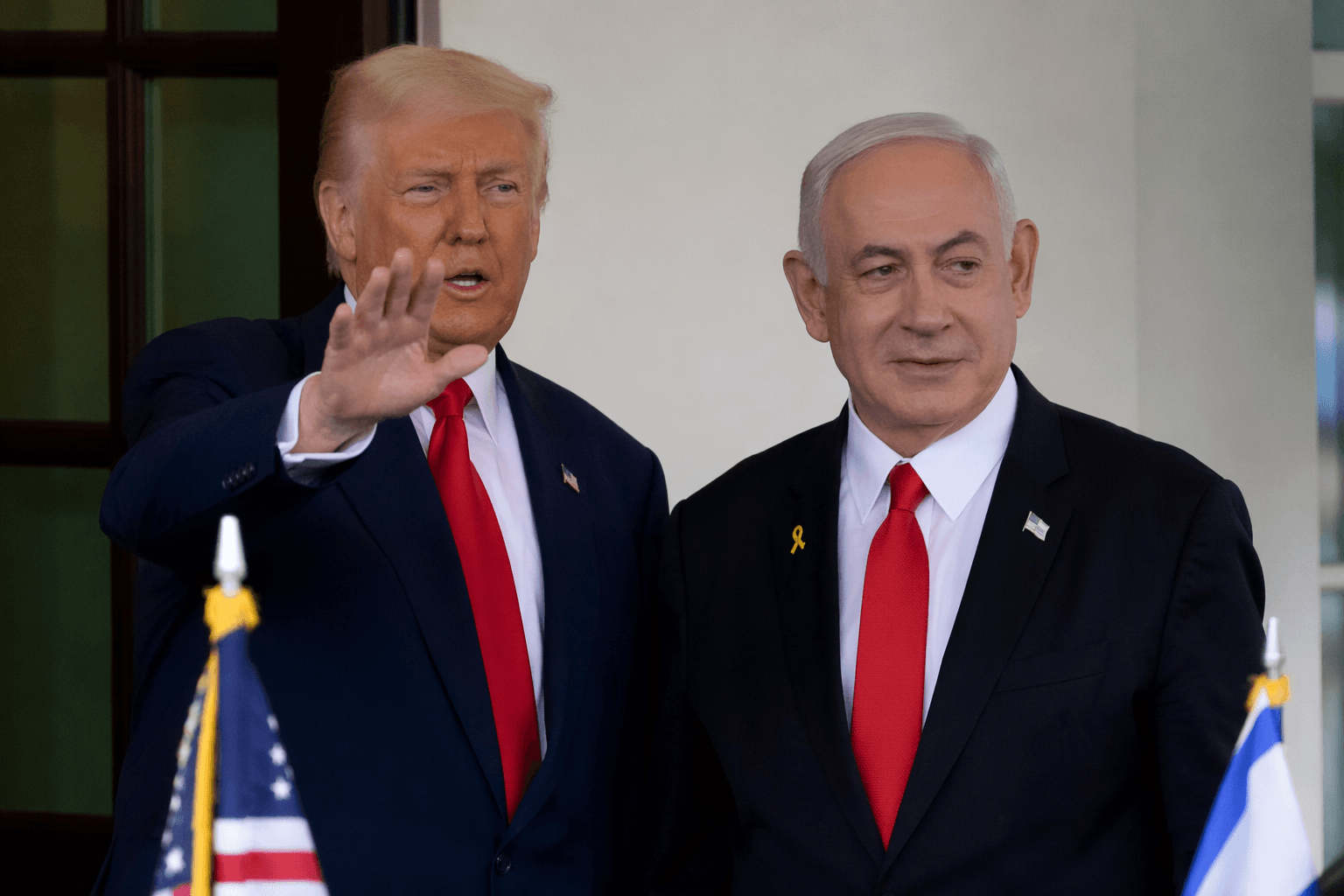
USS Nimitz arrives in Caribbean as U.S. charges Raúl Castro
The USS Nimitz reached the southern Caribbean as the Justice Department unsealed charges against Raúl Castro, pairing naval power with a long-awaited legal strike.
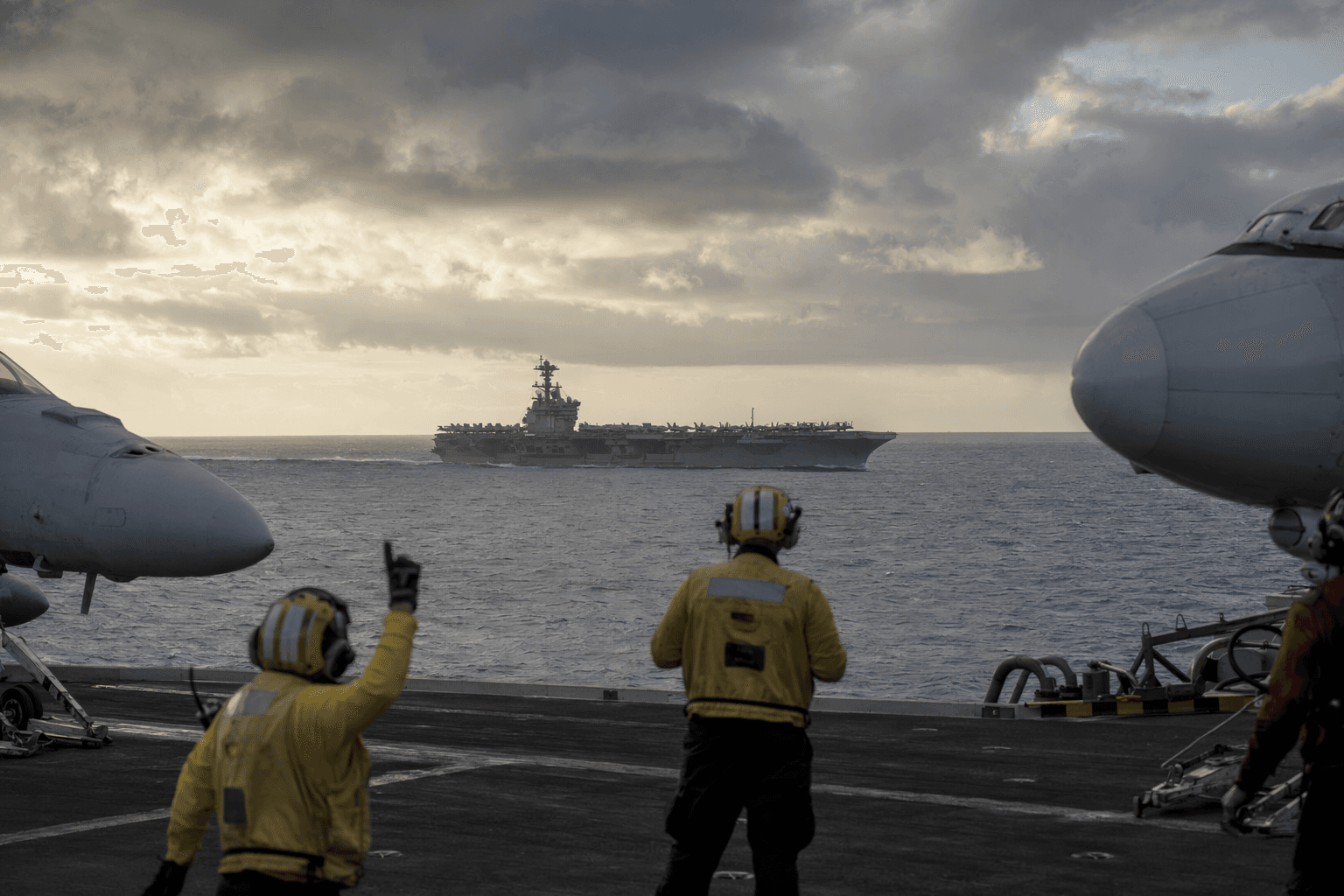
The USS Nimitz entered the southern Caribbean just as the Justice Department unsealed murder and aircraft-destruction charges against Raúl Castro and five others, turning a long-running Cuba dispute into a two-front message of military pressure and legal escalation.
The carrier’s arrival was part of Southern Seas 2026, a U.S. Southern Command deployment that includes Carrier Air Wing 17, the destroyer USS Gridley and the replenishment oiler USNS Patuxent. Southern Command said the strike group had already been working in its area of responsibility on maritime engagements, including bilateral training with Brazilian and Argentine naval forces. The deployment was announced on March 23, well before the indictment, underscoring that the carrier movement was planned as part of a broader push to deepen regional interoperability and maritime partnerships.
The criminal case, announced in Miami at Freedom Tower on Cuba’s Independence Day, centers on the February 24, 1996 shootdown of two Brothers to the Rescue planes. Four people died, including three Americans, and the International Civil Aviation Organization concluded the attack took place over international waters. The charges against Raúl Castro and the other defendants marked the first time the U.S. government has pursued criminal accountability for the killings, a step the Clinton administration did not take when it imposed sanctions after the shootdown.
The timing gave the day a sharper political edge. President Donald Trump told reporters the administration has Cuba “on our mind,” and Secretary of State Marco Rubio issued a rare Spanish-language message to the Cuban people. The sequence suggested a deliberate effort to speak to several audiences at once: Havana, which has faced widening economic pressure; regional governments weighing Washington’s posture; domestic U.S. politics, where Cuba remains a potent issue in Florida; and migration watchers tracking signs of instability.
That pressure campaign has been building against the backdrop of Cuba’s deepening crisis. The Cuban government said on May 13 that the country had run out of oil and diesel, adding to blackouts, transport breakdowns and strain on health care and food supplies. U.S. pressure on Cuban entities and individuals, the cutoff of oil shipments from Venezuela and threats of additional sanctions have only tightened the squeeze.
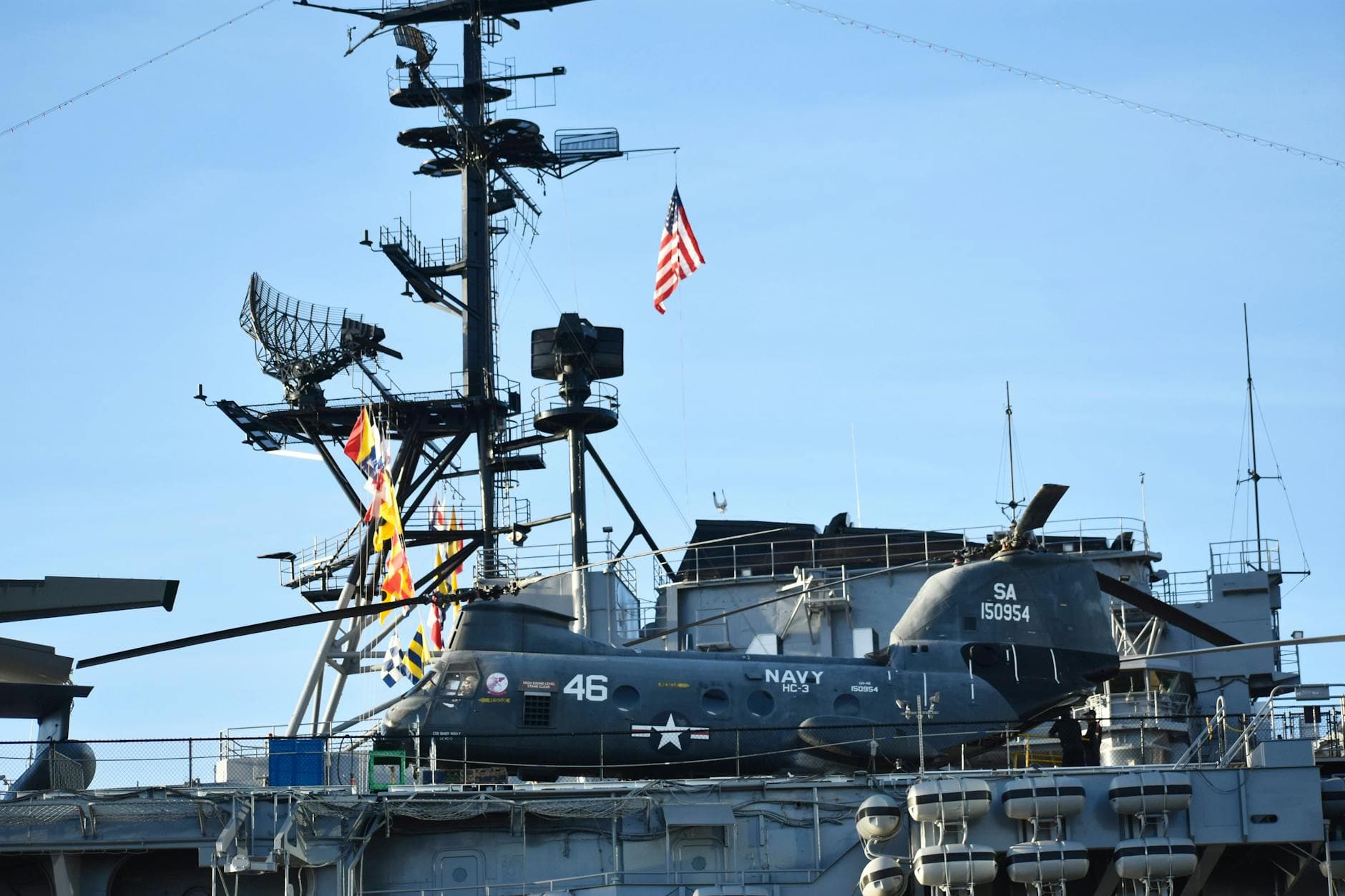
The Nimitz deployment therefore looks less like a sudden shift than a carefully timed show of force layered onto a legal move decades in the making. The carrier brings military weight to a moment when Washington is signaling that Cuba is once again at the center of its Caribbean strategy.
Know something we missed? Have a correction or additional information?
Submit a Tip