Utah wildfire burns 92,000 acres, threatens to become state's costliest
A 92,000-acre Utah wildfire stayed 0% contained, damaged Eagle Point, and forced evacuation warnings as officials warned of record costs.

More than 92,000 acres had burned in Beaver County’s Cottonwood Fire, and the blaze was still 0% contained as crews fought to keep it from spreading farther into southern Utah communities. The fire had become the largest active wildfire in the United States, and it had already severely damaged the Eagle Point ski resort, destroyed summer cabins and forced residents in nearby towns to prepare for a possible evacuation.
The fire started Monday, June 22, around 3:36 p.m. in Beaver County, and by late June officials said it was on pace to become the most destructive and costly fire in Utah history. Roughly 1,300 residents in Marysvale, Junction and Circleville were told to be ready to leave if conditions worsened, underscoring how quickly the blaze moved from a remote ignition to a threat for whole communities. The fire’s footprint also put pressure on firefighters trying to hold ground across a broad, fast-changing landscape.
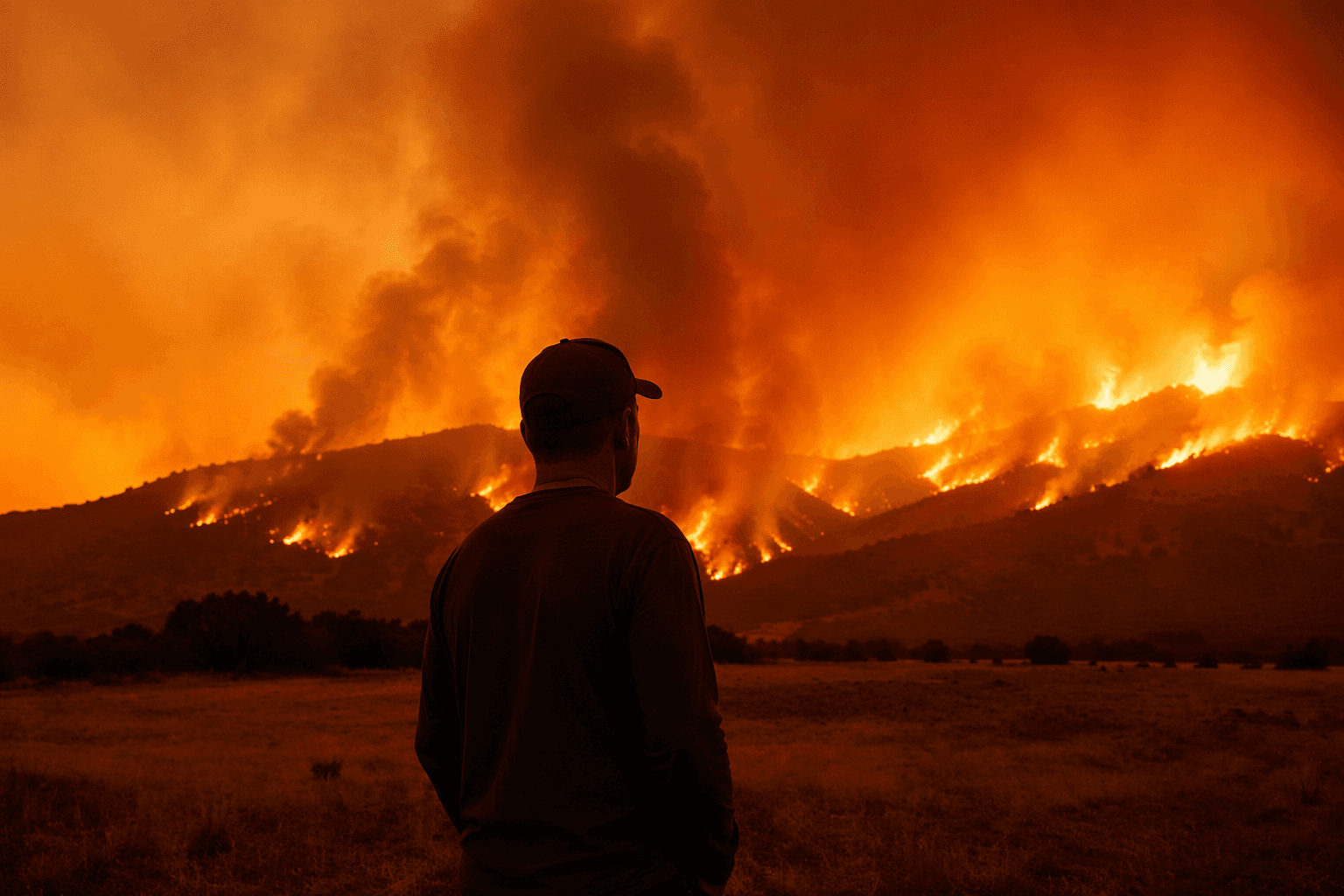
Weather has been a relentless driver. Wind gusts reached about 45 mph and humidity fell into the single digits, conditions that Utah forester Jamie Barnes said were spreading the fire under circumstances that “defy historical expectations.” Those winds and dry air made the blaze harder to box in and repeatedly complicated efforts to attack it directly. As the fire burned, crews had to contend with weather that made the fire behave more aggressively than the state’s usual containment playbook expects.

Gov. Spencer Cox declared a state of emergency and imposed a statewide fireworks ban ahead of July Fourth, an effort to reduce the risk of new ignitions as the state enters one of its most dangerous fire periods in years. The combination of a June start, extreme wind and parched air has sharpened questions across the interior West about whether traditional suppression strategies can keep up with longer, hotter and more explosive fire seasons. For Utah, the Cottonwood Fire has already become a test of how far the state can stretch its firefighting resources before the next spark lands.
This article was produced by Prism’s automated news system from verified source data, official records, and press releases, then run through automated quality and moderation checks before publishing. The system is built and supervised by the people who set the standards it runs under. Read our full AI policy.
Did this article answer your question?

