VA Plans to Eliminate Up to 35,000 Health Care Jobs
The Department of Veterans Affairs is moving to remove tens of thousands of health care position authorizations this month, a change that officials say largely targets unfilled pandemic era roles. The decision raises immediate questions about how veterans will access care, where local staffing gaps persist, and how the department arrived at its differing internal counts.
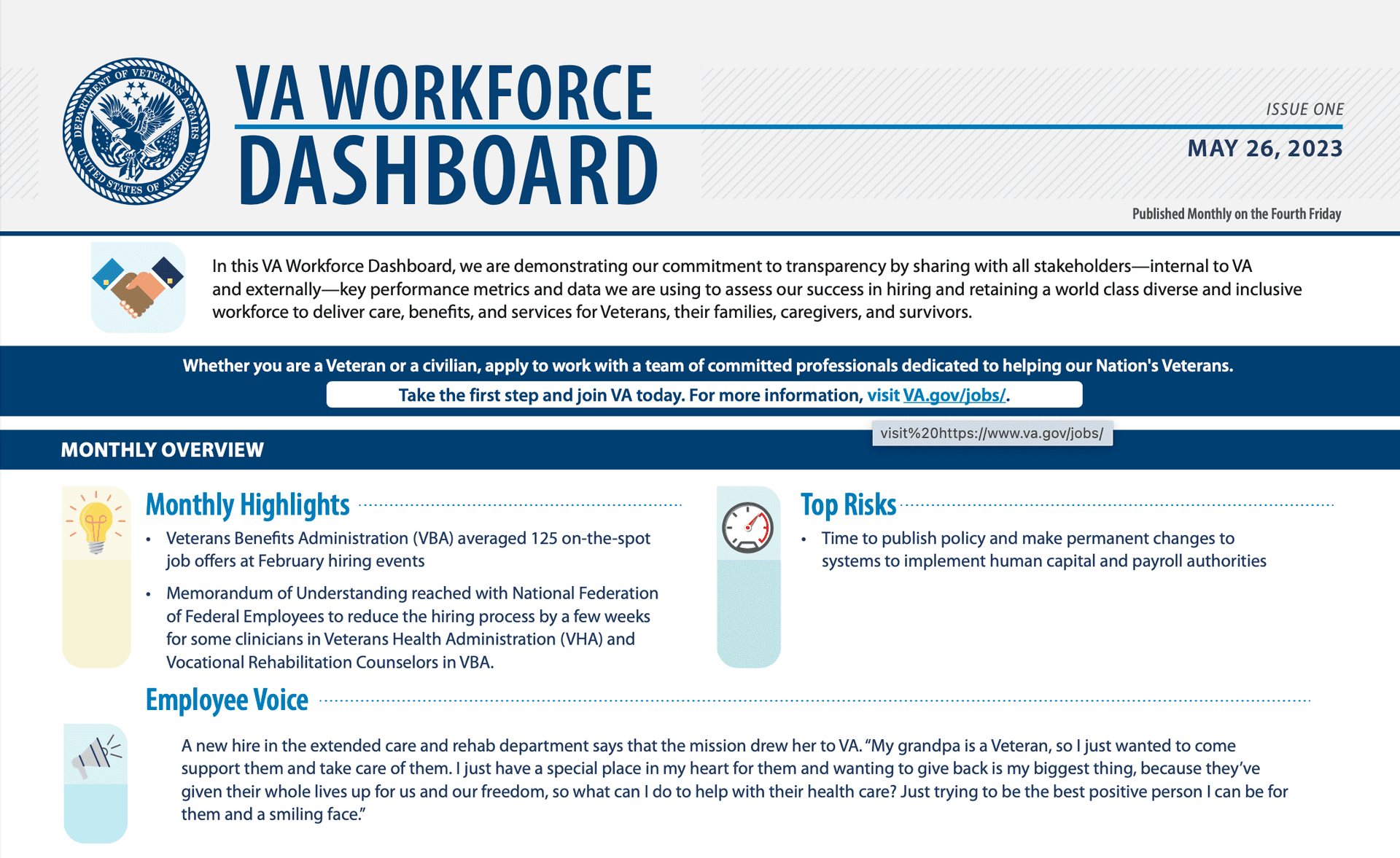
The Department of Veterans Affairs is set to remove a large number of health care position authorizations this month, with internal agency documents and staff accounts placing the scale between roughly 25,000 and 35,000 positions. The figures reflect a dispute within the department over both the counting method and the operational effect of the change.
An internal memorandum circulated to regional leaders flagged a possible elimination of as many as 35,000 health care positions, and suggested the change could reduce the VA health care workforce to about 372,000 employees, roughly a 10 percent decline from last year. The memo, and accounts from VA staffers and congressional aides, identified clinicians including physicians and nurses as well as support personnel among the categories referenced, although not all of those roles are currently filled.
The department’s public characterization differed in scale and emphasis. VA spokesperson Pete Kasperowicz said the department would remove about 25,000 positions that are open and unfilled, describing them as "COVID era roles that are no longer necessary." He added, "no VA employees are being removed, and this will have zero impact on Veteran care," and said "all of these positions are unfilled and most have not been filled for more than a year."
The discrepancy between the higher and lower tallies centers on what is being counted and whether the memo included broader categories of authorizations. It also highlights a testing point for the department’s assurance that patient care will be unaffected. Independent verification is needed to determine whether removing authorization for unfilled slots will change hiring flexibility at facilities, lengthen appointment wait times, or reduce clinical coverage in understaffed areas.

Political and advocacy reactions were immediate. Representative Bobby Scott of Virginia warned that eliminating positions could worsen staffing shortages at VA facilities and further hinder veterans’ access to promised care, citing persistently understaffed clinics in his district. Veterans service organizations and patient advocates expressed alarm at the prospect of large scale cuts amid ongoing recruitment challenges that many VA facilities have reported in recent years.
The announcement comes on the heels of an earlier reorganization that reportedly resulted in a loss of almost 30,000 employees across the department. VA leadership has defended efforts to pare federal staffing and to narrow roles said to be nonessential, but critics say the timing and scale of the new reductions warrant detailed scrutiny.
Key questions remain about how the department calculated the figures, how quickly authorization removals will be implemented, and whether regional managers will retain the ability to refill critical openings. Local facility directors, union representatives and veterans groups will be watched for concrete examples of impact as implementation proceeds. For veterans and their families the immediate concern is practical: whether the changes will affect the availability, timeliness and continuity of care at the clinic level in the weeks and months ahead.
This article was produced by Prism’s automated news system from verified source data, official records, and press releases, then run through automated quality and moderation checks before publishing. The system is built and supervised by the people who set the standards it runs under. Read our full AI policy.
Did this article answer your question?