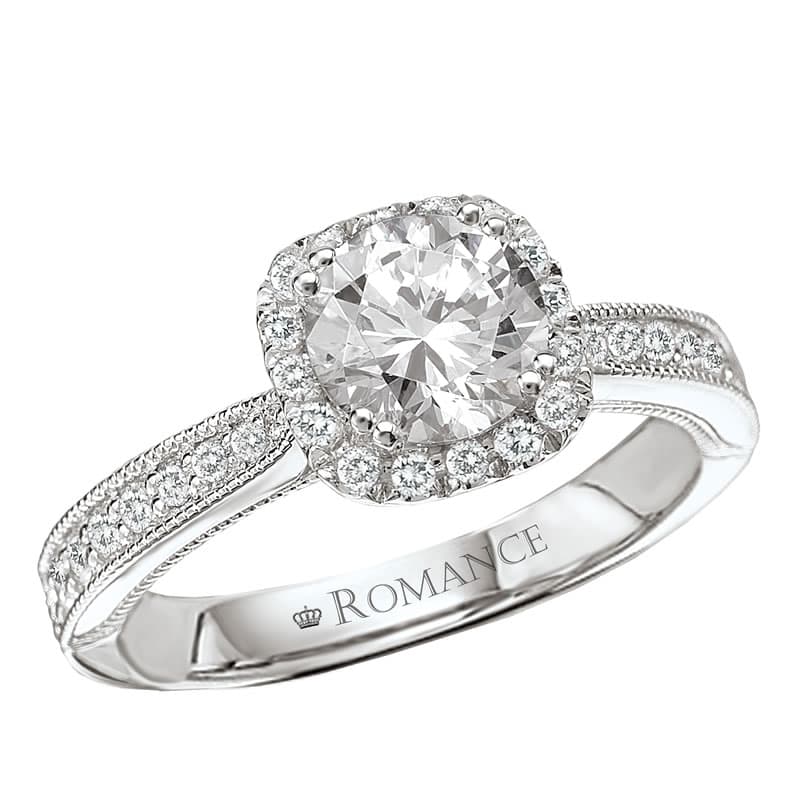
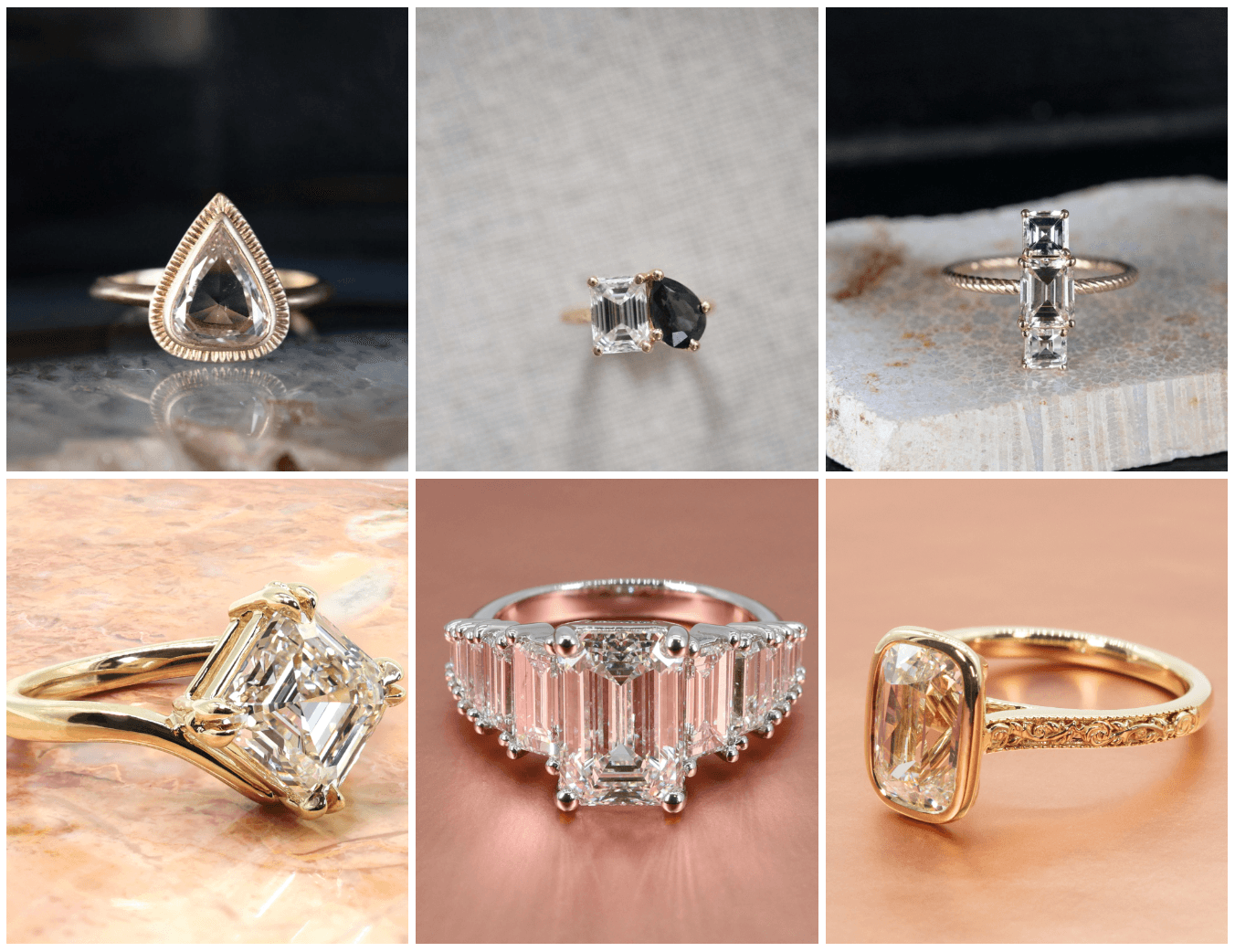
Valentine’s Jewelry Tops $7 Billion, Driving Strong Engagement Ring Demand
U.S. Valentine’s spending is forecast at $29.1 billion, with jewelry totaling $7.0 billion — the largest category and roughly 8% higher than last year’s $6.5 billion estimate.
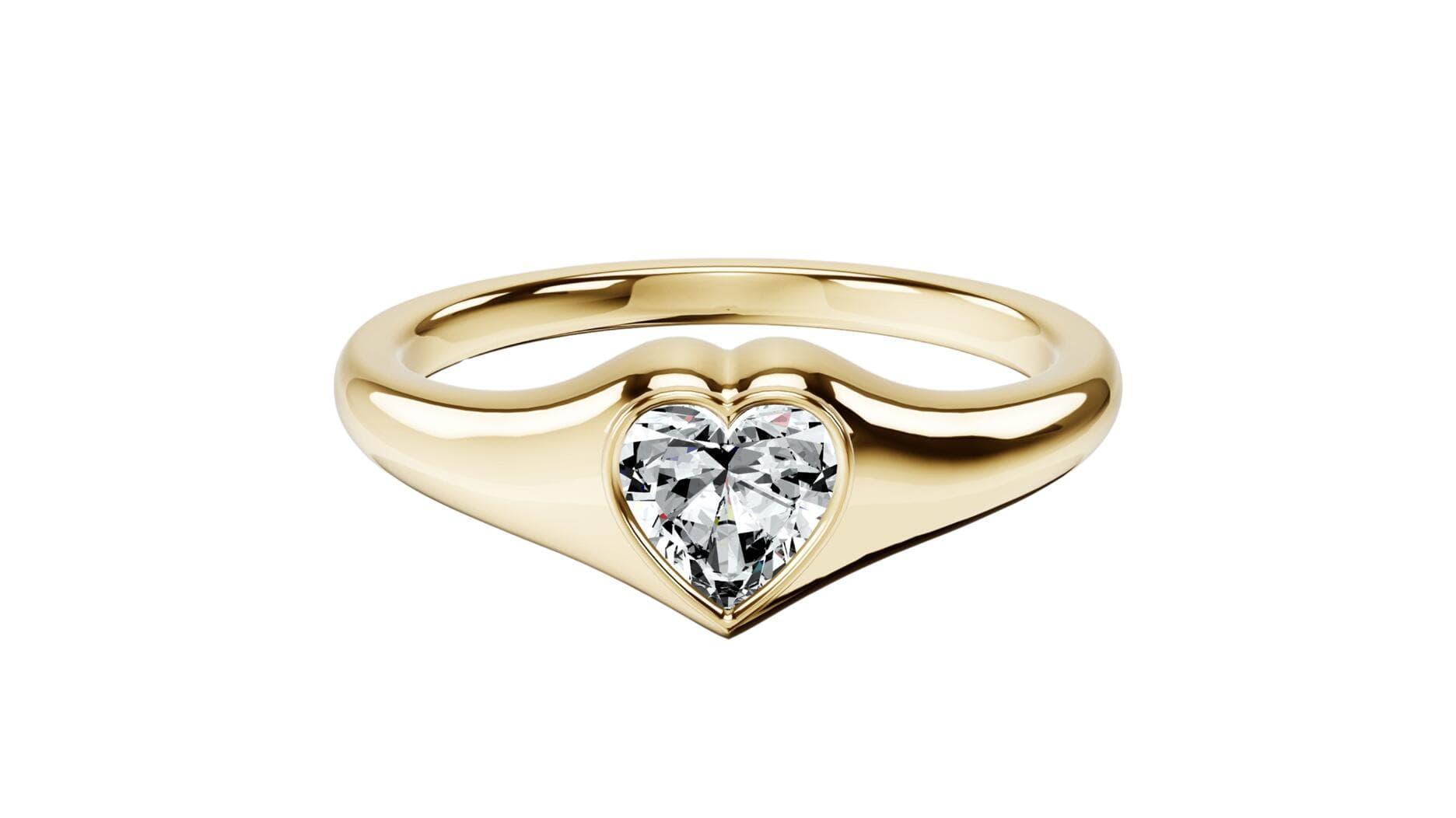
U.S. consumers are forecast to spend $29.1 billion on Valentine’s Day gifts, and jewelry is carrying the load: $7.0 billion in projected spending makes it the single largest category for 2026. That $7.0 billion figure is roughly 8% higher than NRF’s prior-year jewelry estimate of $6.5 billion and helps lift the overall forecast above last year’s $27.5 billion total, an increase of about 6%.
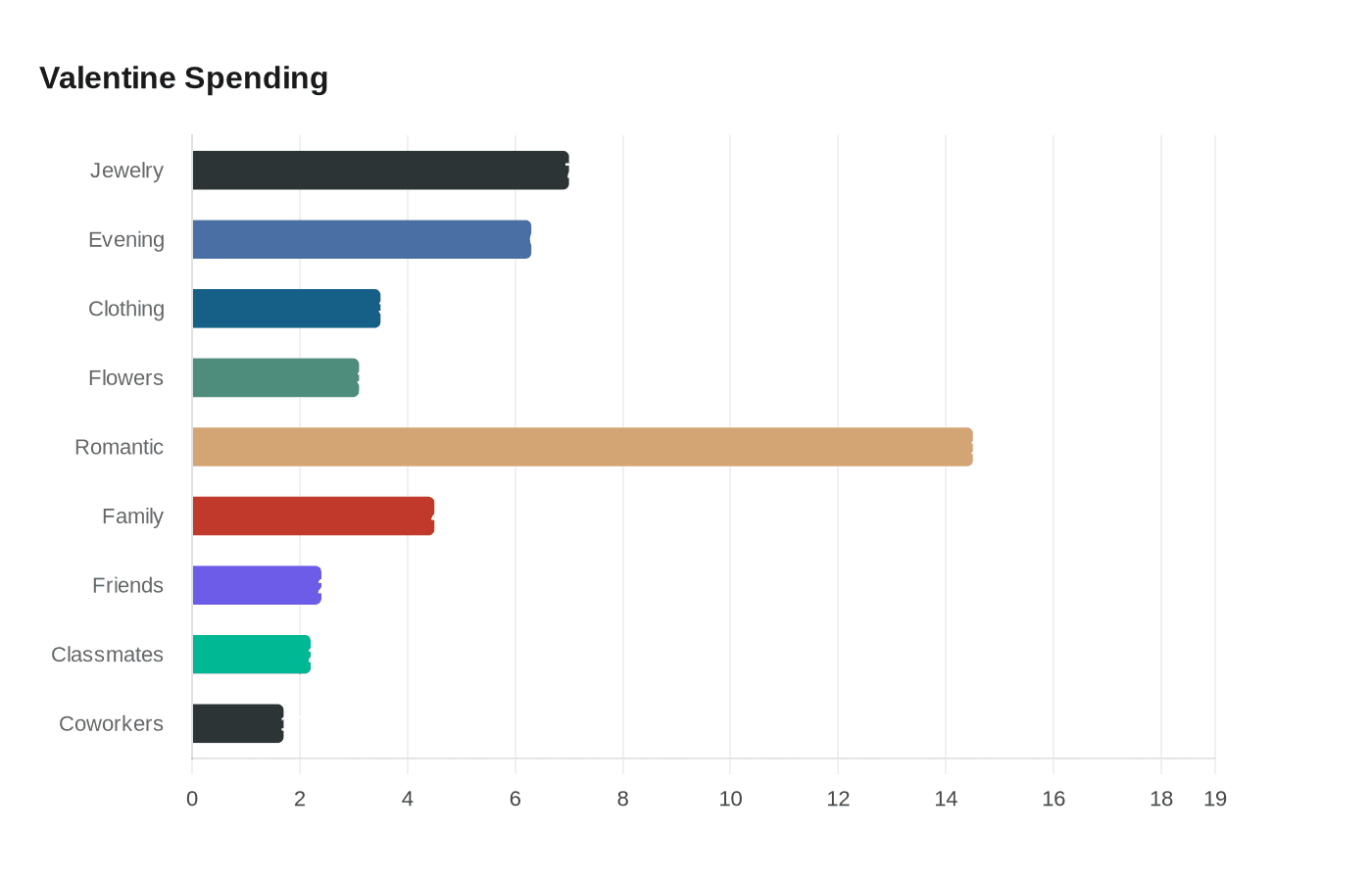
The composition of gift spending shows a broad slate of choices beyond stones and settings. “Evening out” experiences are expected to bring in $6.3 billion, clothing $3.5 billion and flowers $3.1 billion, while gifts for romantic partners total $14.5 billion, a decline of 0.7% from the prior year. Family gifts for kids, parents and siblings are projected at $4.5 billion, up 4.7%, and smaller recipient categories include friends at $2.4 billion, classmates and teachers at $2.2 billion, and co-workers at $1.7 billion.
Consumer behavior underpins those totals. The survey found 55% of consumers plan to celebrate Valentine’s Day in 2026, and 25% of all shoppers plan to purchase jewelry. Among buyers, the average spend is $199.78, up from $188.81 in 2025 and above the prior record average of $196.31 set in 2020. Eighty-three percent of those celebrating say they plan to buy a gift for a significant other, reinforcing jewelry’s outsize dollar share even as gifting spreads to friends and colleagues.
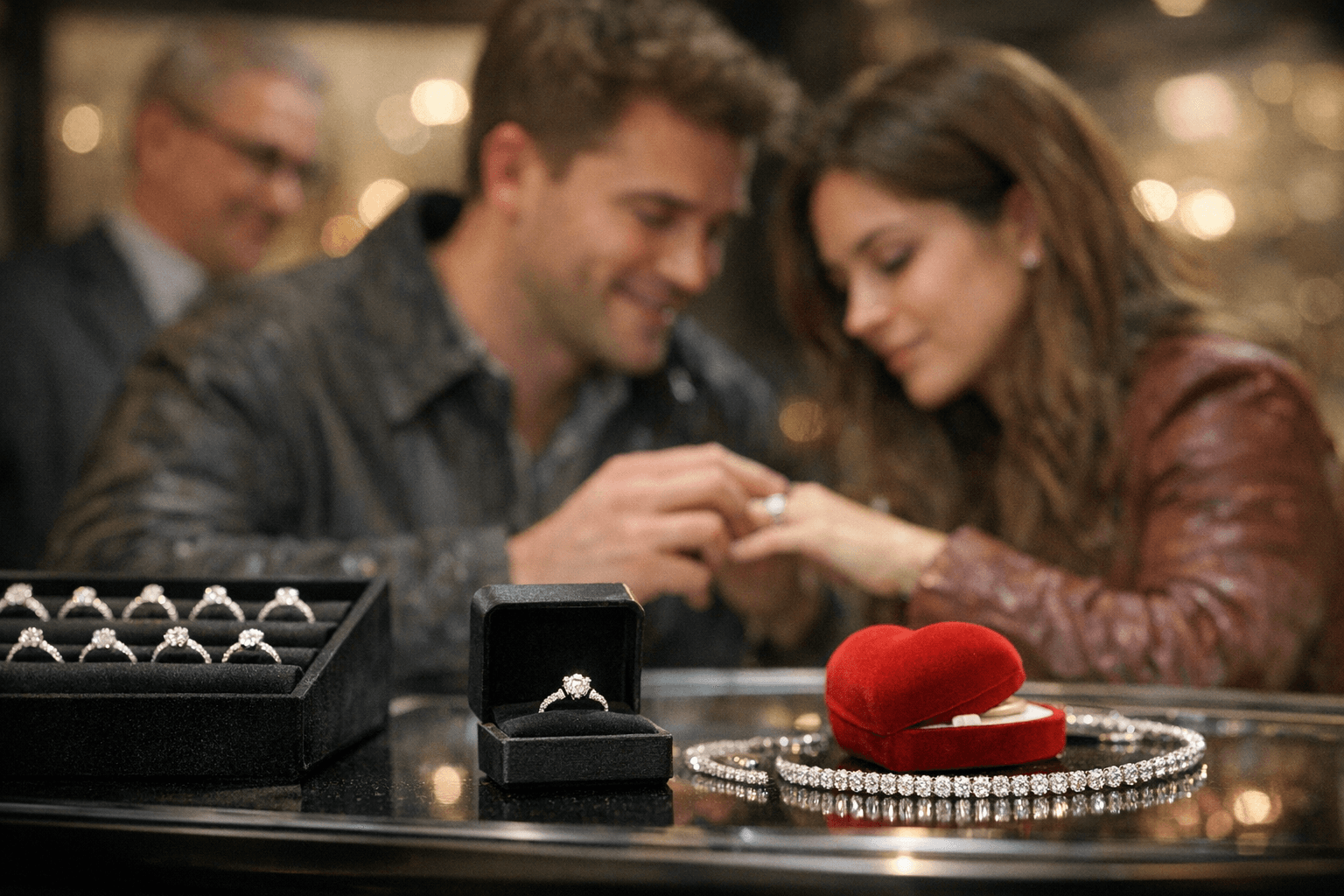
Channels matter for those shopping for rings and other fine pieces. Online shopping accounts for 38% of expected purchases, while department stores represent about 35% of shopper destinations, discount stores 30% and specialty retailers 21%, according to the NRF charts cited in LMJ’s reporting. These distribution patterns indicate digital reach remains central even as brick-and-mortar stores capture roughly one-third of Valentine’s purchases.
Katherine Cullen, NRF vice president of industry and consumer insights, framed the trend this way: “Valentine’s Day is a cherished holiday that resonates with many Americans, as seen with expected record-breaking spending this year.” Cullen added, “Much of that growth is driven by middle- and high-income shoppers who are expanding their gift lists to include friends, co-workers and even pets in addition to loved ones.” Prosper Insights & Analytics executive vice president Phil Rist underscored the pet trend: “Valentine’s Day underscores the value of relationships, and for many people, the connection they share with their pets is an important one,” and “Whether it’s a dog, cat or other animal, consumers are looking to celebrate their pets this Valentine’s Day with a special toy, accessory or treat.”
Methodology anchors the forecast: “The survey was conducted Jan. 2–8 among 7,791 U.S. adult consumers and carries a margin of error of plus or minus 1.1 percentage points.” With jewelry topping the list for the 10th straight year in reporting by LMJ and the $29.1 billion figure cited as the highest total since the survey began in 2004, jewelers can expect robust demand into the engagement season as shoppers allocate more dollars to jewelry and broaden whom they honor with gifts.
Know something we missed? Have a correction or additional information?
Submit a Tip