Vance defends Trump on Iran remarks as gas prices rise
Vance brushed off Trump’s Iran remarks as gas prices climbed to $4.50 a gallon, exposing how sensitive household finances have become inside the White House.

Vice President JD Vance moved quickly to clean up President Donald Trump’s blunt message on Iran, rejecting the suggestion that Trump was indifferent to household finances even as higher fuel costs kept squeezing voters.
Asked by Monica Alba whether he agreed with Trump’s comments, Vance said, “I don’t think the president said that. I think that’s a misrepresentation of what the president said,” while adding that he agreed with Trump that Iran should not have a nuclear weapon. The response was more than a routine clarification. It was a sign of how carefully the administration now has to manage a war message that collides with inflation, gasoline prices and voter anxiety about daily costs.
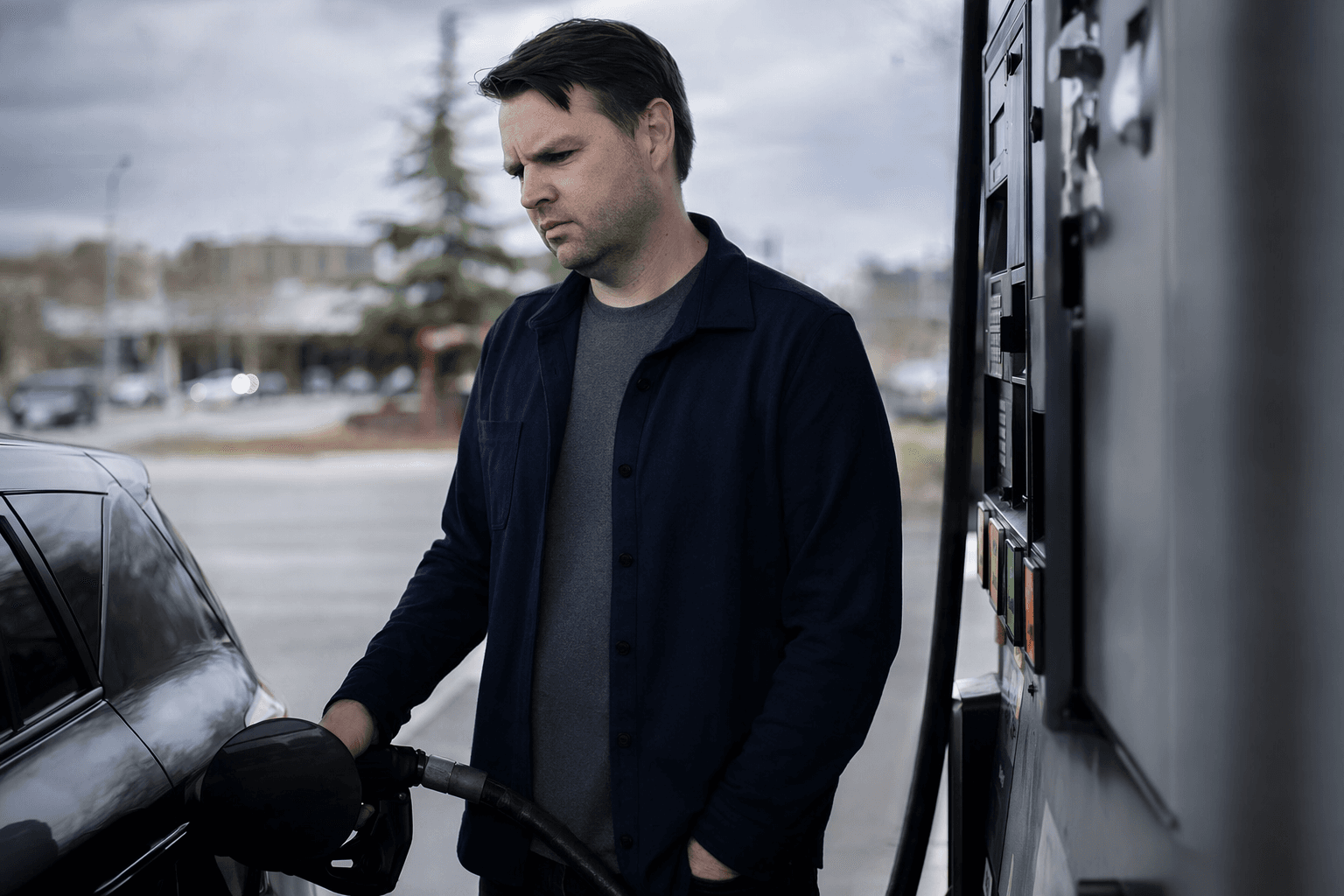
Trump had told reporters on the White House South Lawn on Tuesday, May 12, 2026, that he was not considering Americans’ financial situations “even a little bit” when weighing Iran negotiations. He said the only thing that mattered was preventing Iran from obtaining a nuclear weapon and added that he was not thinking about “anybody” except that goal before departing for a diplomatic trip to China. The comments immediately invited Democratic criticism, while House Speaker Mike Johnson later tried to soften the political blow by saying Trump thinks about Americans’ financial situations constantly.
The urgency is clear in the numbers. The national average price of regular unleaded gasoline stood at $4.50 a gallon on May 12, while diesel averaged $5.64, according to AAA. April inflation rose to 3.8%, its highest level in nearly three years, and energy costs accounted for more than 40% of the monthly increase in the all-items index, according to the Bureau of Labor Statistics. For an administration trying to sell toughness abroad and stability at home, those figures turn every Iran statement into a domestic economic test.
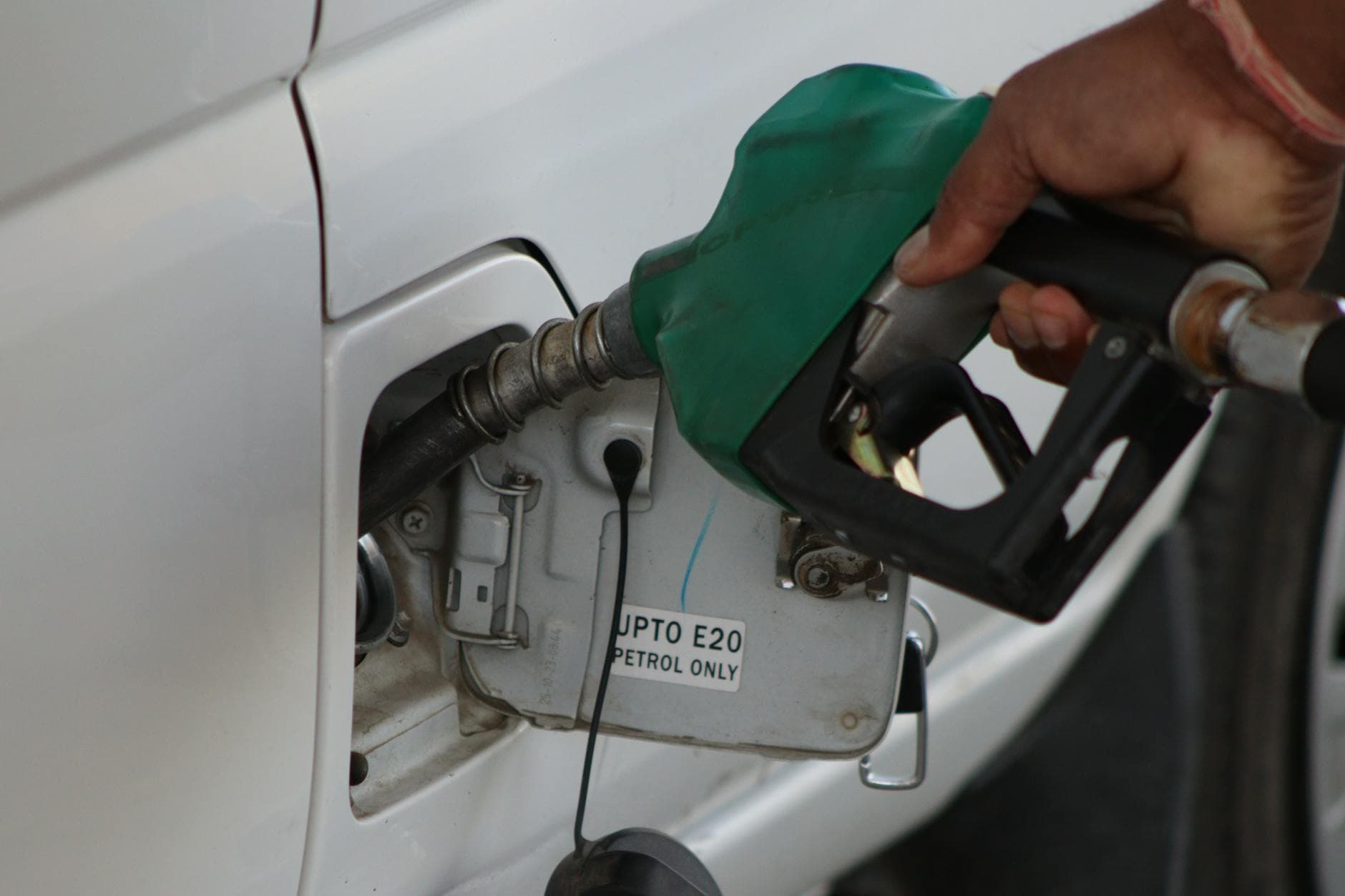
The broader conflict has already pushed the economy in that direction. The United States and Israel launched joint strikes on Iranian nuclear sites in late February 2026, and Iran blocked access to the Strait of Hormuz, a waterway that typically carries about 20% of the world’s oil supply each day. Gas prices had already risen sharply in March, and the danger for the White House is that a national security campaign built around stopping Iran’s nuclear program is now being judged against the price Americans see at the pump.
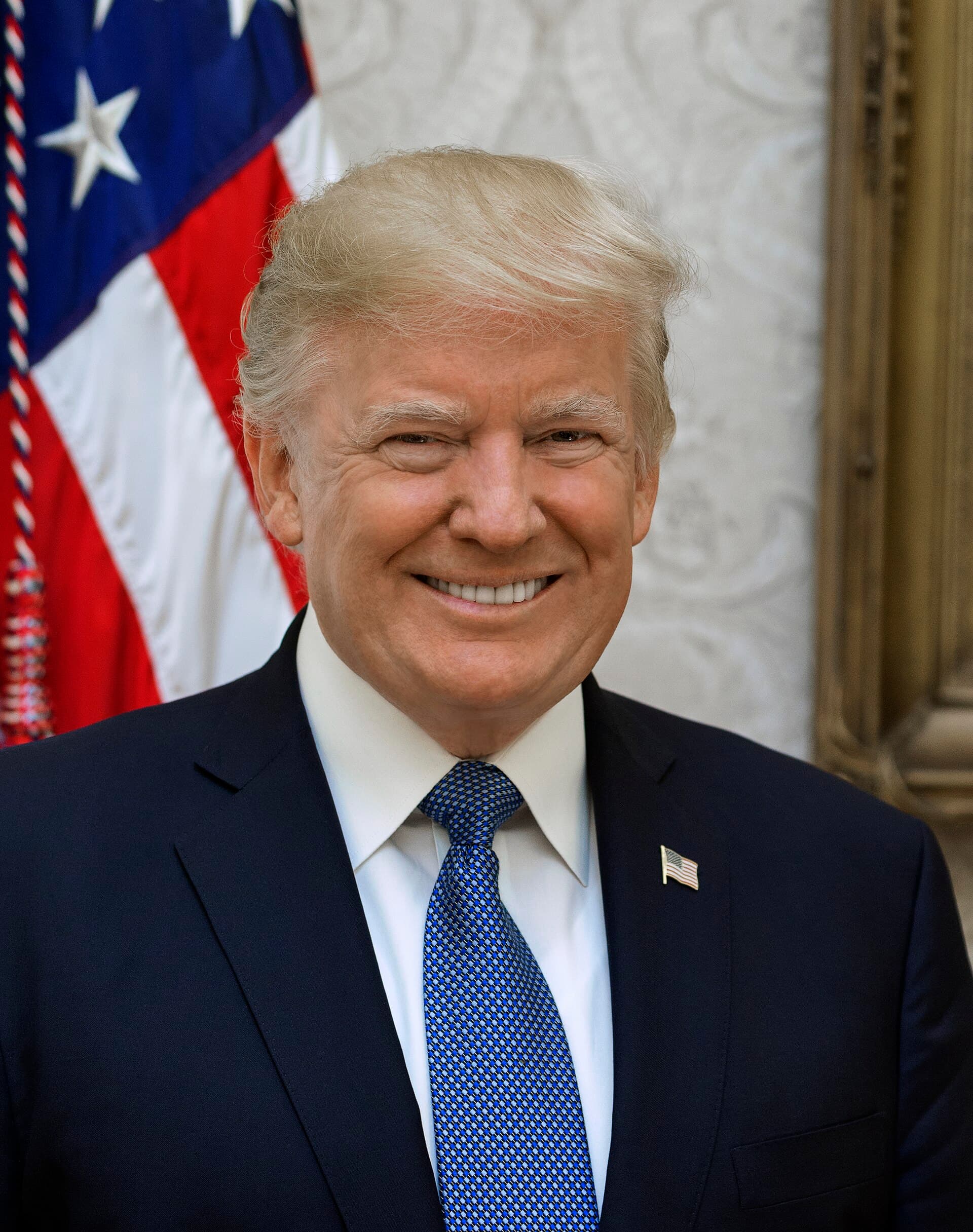
Vance has become one of the administration’s main messengers on that argument. In June 2025, he said the United States was not at war with Iran, but with Iran’s nuclear weapons program. The White House has leaned on his anti-interventionist image and his claim that he understands Americans’ exhaustion after decades of Middle East conflict. That makes him a useful defender, but it also underscores the political sensitivity of the moment: the administration is not just defending military action, it is defending the idea that voters can absorb the economic fallout.
This article was produced by Prism’s automated news system from verified source data, official records, and press releases, then run through automated quality and moderation checks before publishing. The system is built and supervised by the people who set the standards it runs under. Read our full AI policy.
Did this article answer your question?

