Vance-led U.S.-Iran talks fail, fragile ceasefire now in doubt
After 21 hours in Islamabad, JD Vance left without a deal, and a two-week ceasefire now hangs on whether Iran and the U.S. can bridge a trust gap.
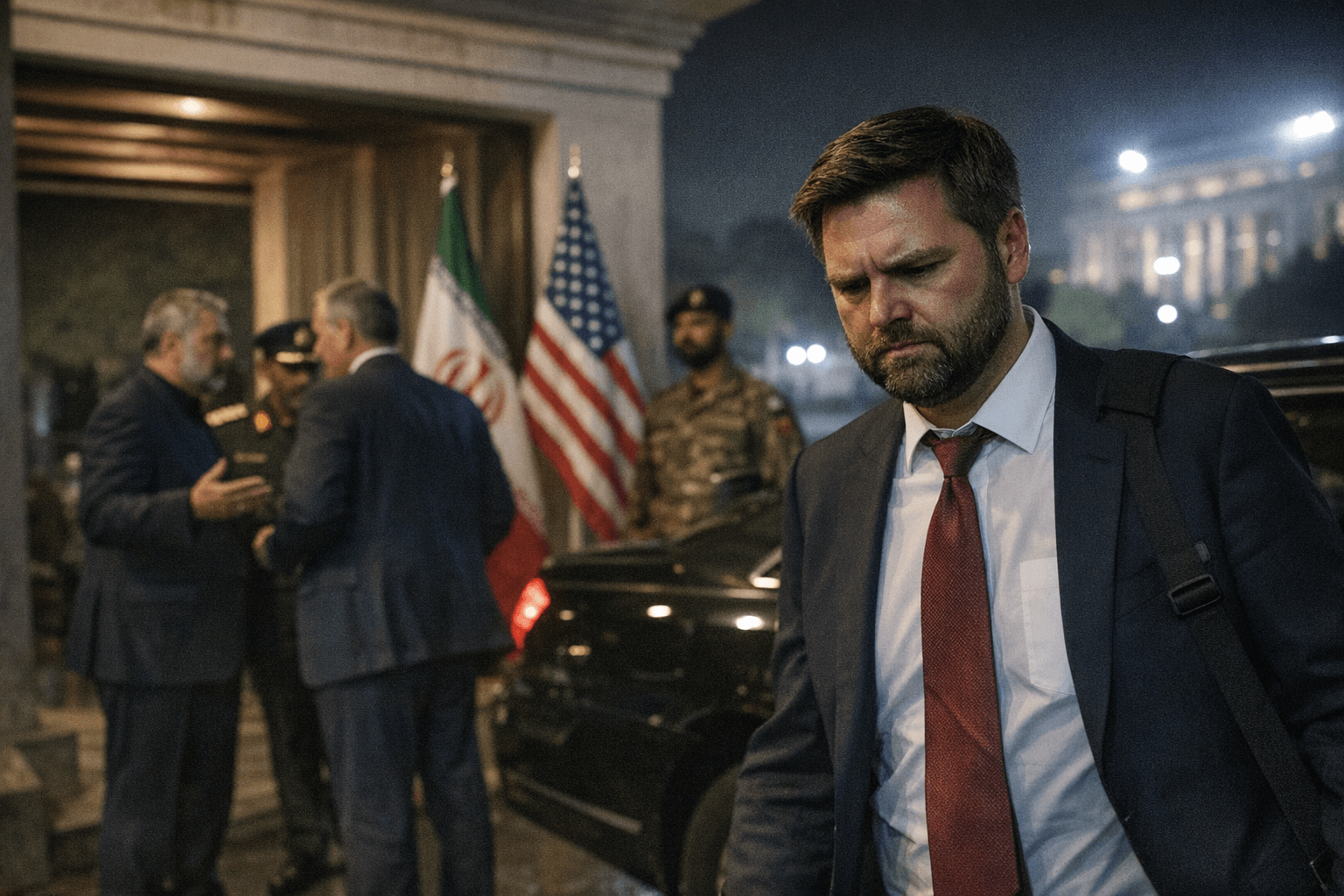
The U.S. and Iran emerged from 21 hours of talks in Islamabad without an agreement, leaving a fragile ceasefire more exposed than before. Vice President JD Vance led the American delegation and said Washington had put forward a “final and best offer,” but the meeting ended with no path to a broader settlement and no immediate end to the war.
The breakdown turned on leverage, not ceremony. U.S. officials said the talks collapsed because Iran would not commit to abandoning its nuclear program. Iranian officials, in turn, blamed Washington for the failure, with parliamentary speaker Mohammad Baqer Ghalibaf saying Tehran’s delegation had raised “forward-looking” initiatives and that the United States had not won Iran’s trust. That split matters because it shows the gap between agreeing to talk and agreeing to give up something real. For the negotiations to change the war’s trajectory, Tehran would have to accept terms tied to preventing it from developing or acquiring a nuclear weapon, while Washington would have to convince Iranian leaders that its offer is more than a one-time ultimatum.
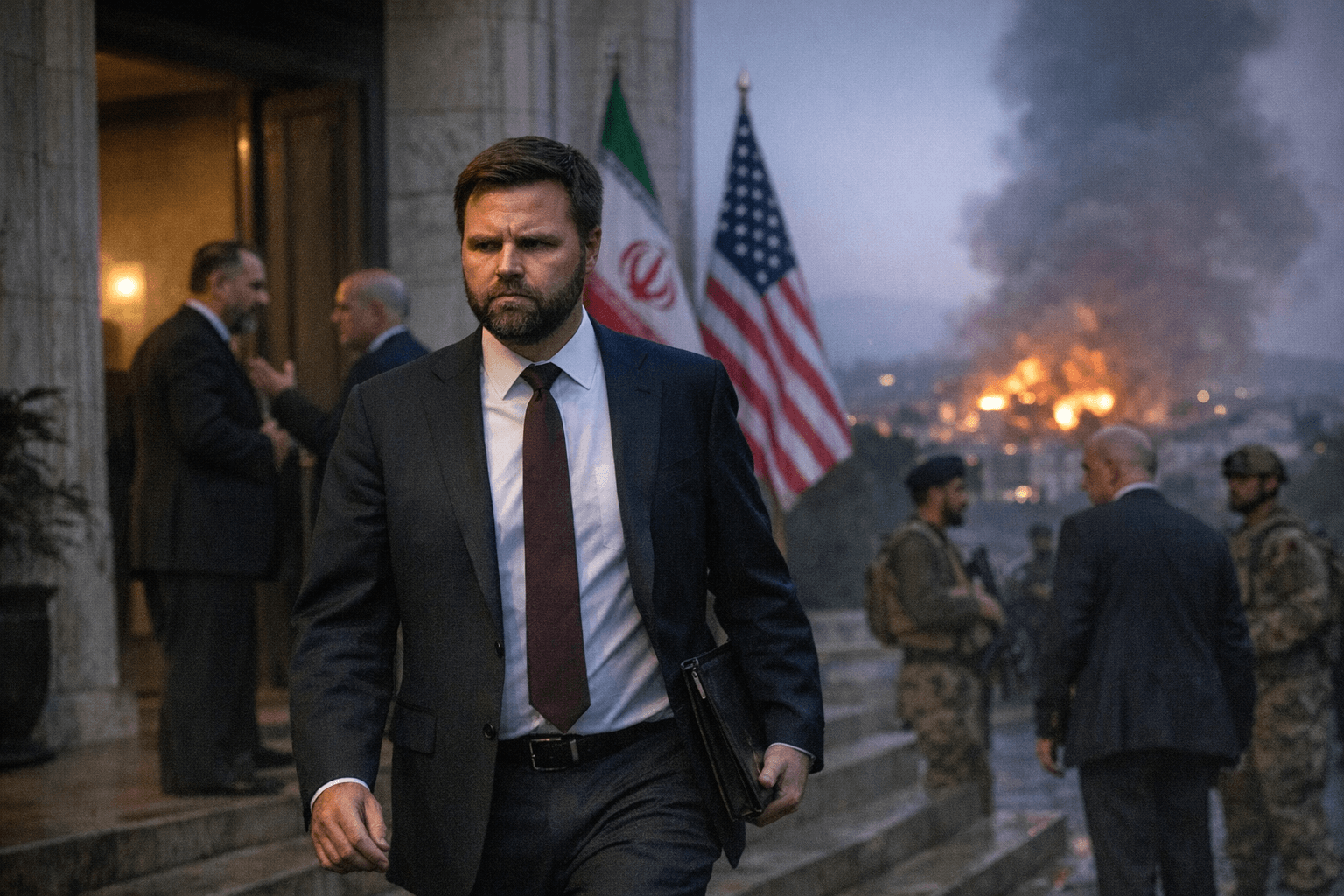
Pakistan hosted the talks in Islamabad as part of a diplomatic push to turn a ceasefire into something more durable. The effort came after a ceasefire announced on April 8, 2026, and after warnings that the agreement’s scope was narrow and contested. Even so, the talks did not produce an immediate return to hostilities, keeping open the possibility of another round if both sides decide that the trust gap is smaller than the cost of continued confrontation.
That uncertainty is now central to the war’s next phase. A ceasefire can hold on paper while the politics behind it erode, and this one is already under strain because neither side has shown it is ready to pay the price that a real settlement would require. The Americans want a halt to Iran’s nuclear ambitions. Iran wants a deal that it can trust and can present as something more than capitulation. Until those positions move, the talks remain diplomatic theater rather than a road to peace.
Know something we missed? Have a correction or additional information?
Submit a Tip