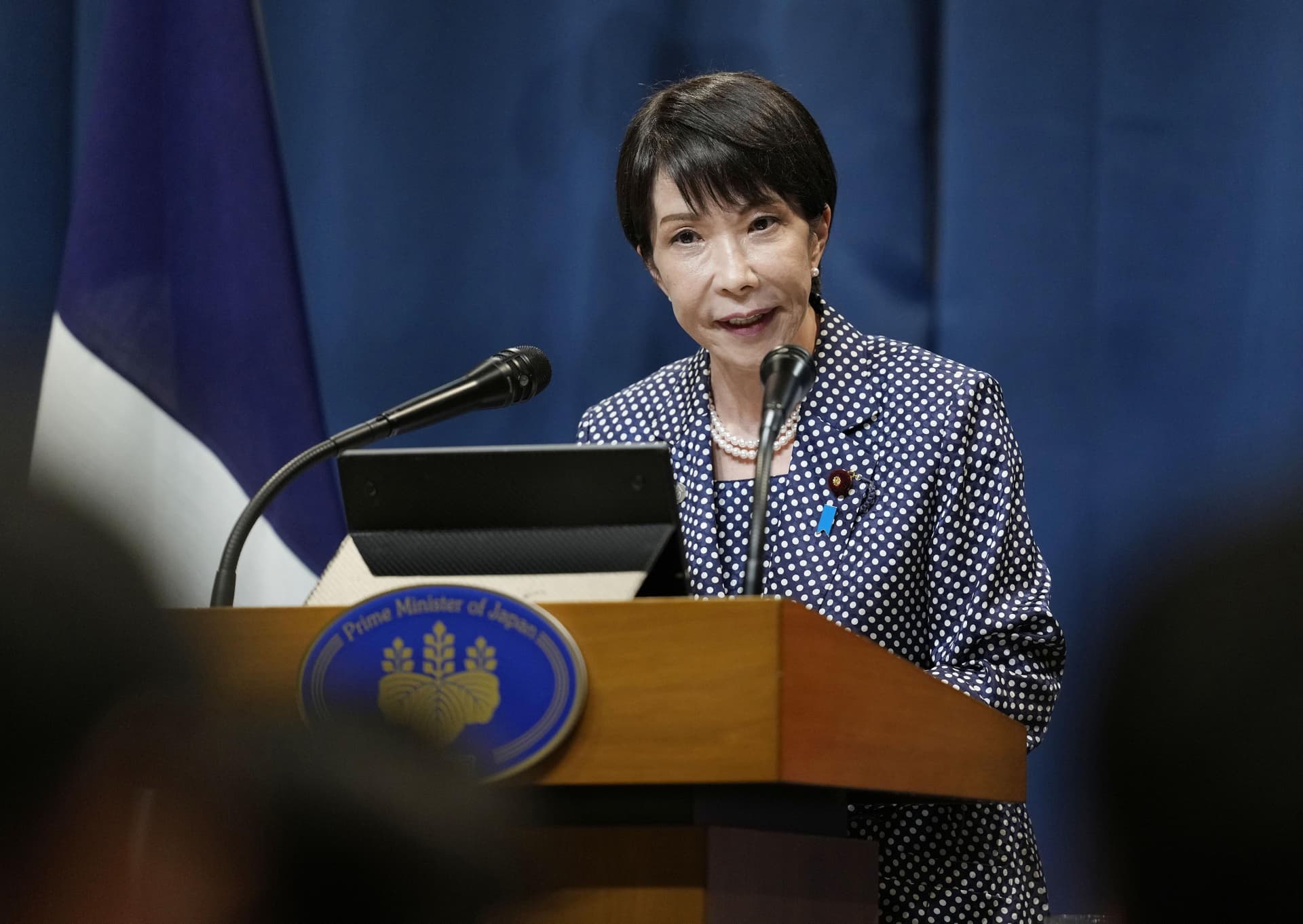
Vance says Britain needs structural change as Starmer exits office
Vance said Britain had been failed by its leaders as it heads toward a seventh prime minister in 10 years.
U.S. Vice President JD Vance said Britain had been "failed by its leadership for a long time," turning a Sunday interview into a blunt assessment of the country’s political churn as Keir Starmer prepares to leave office. His remarks arrived as Britain moves toward its seventh prime minister in 10 years, a pace that has become shorthand for instability in Westminster.
Vance said he hoped "whoever the prime minister is" could get Britain back on track, and he named Andy Burnham as a leader he hoped could deliver change. Burnham’s victory in the Makerfield by-election on June 19 cleared the way for a leadership challenge after Starmer announced on June 22 that he would resign as Labour leader and prime minister following mounting pressure over the party’s poor local-election results.
The vice president’s critique went beyond one government. He framed the problem as repeated turnover at the top, a pattern that has seen Britain cycle through David Cameron, Theresa May, Boris Johnson, Liz Truss, Rishi Sunak and Starmer since the 2016 Brexit referendum. Liz Truss remains the shortest-serving modern prime minister, lasting just 45 days, a symbol of the fragility Vance was pointing to when he argued that the country needed more than another change of faces.
That framing also carried a transatlantic message. President Donald Trump has already been critical of Starmer on immigration and energy policy, and has signaled skepticism toward any new British leader who does not back further North Sea oil and gas development. In that context, Vance’s comments looked less like a stray observation than a signal that the Trump administration intends to keep weighing in on the politics of a close ally when those politics touch migration, energy and national decline.
Vance also softened the attack with praise, calling Britain an "amazing place" with the "most amazing people in the world" outside the United States. He has developed a personal relationship with David Lammy, Britain’s deputy prime minister and foreign secretary, with the two men said to have bonded over faith, family and fishing. That familiarity made the vice president’s direct language stand out even more, as Britain’s leadership contest opened under pressure from Labour’s internal revolt and the larger sense that the country’s governing model is under strain.
This article was produced by Prism’s automated news system from verified source data, official records, and press releases, then run through automated quality and moderation checks before publishing. The system is built and supervised by the people who set the standards it runs under. Read our full AI policy.
Did this article answer your question?