Venezuela earthquakes deepen strain on power, water and health systems
Venezuela declared a state of emergency after earthquakes hit a grid, water and health system already fraying, as aid groups warned of urgent rescue and trauma needs.
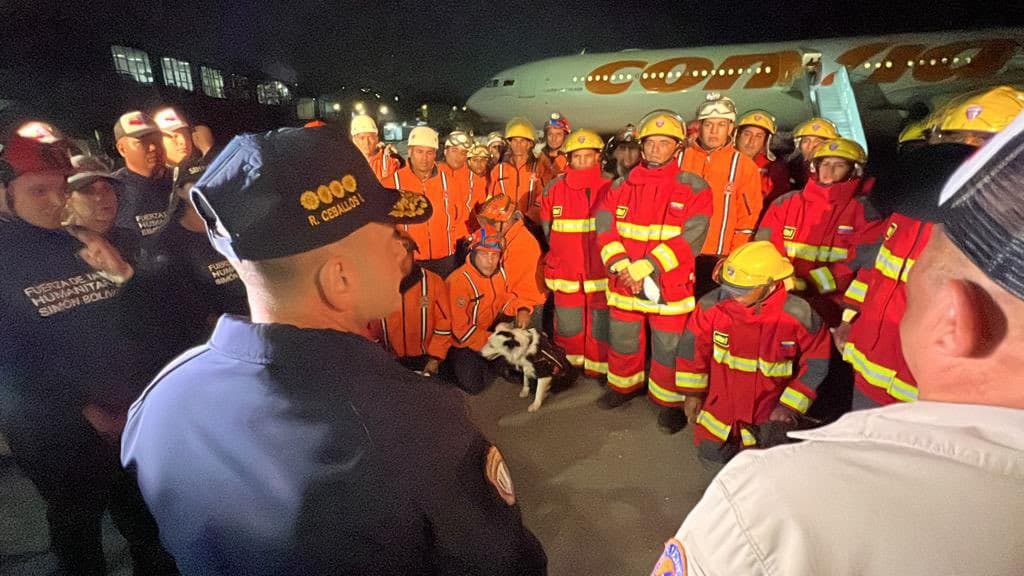
Venezuelan authorities declared a state of emergency after the earthquakes, suspending classes and non-essential activities and activating search-and-rescue operations as damage spread across already fragile public services. The disaster landed on a country where broken power, water and hospital systems could turn every lost hour into a sharper risk for trapped families, wounded residents and crews trying to reach them.
The United Nations says 7.9 million people in Venezuela need urgent support in 2026, with persistent gaps in healthcare, water, education and energy among the most critical needs. OCHA puts the humanitarian response plan at about $606 million to reach 5.4 million people, but the appeal was only 17% funded last year, leaving aid agencies with limited capacity before the quakes even struck.
Power has been one of the system’s most exposed fault lines. In May 2026, the government announced emergency measures after electricity consumption hit a nine-year high, while much of the country was already living with rolling blackouts. In Zulia, outages were lasting six hours a day or more. Bloomberg has also reported that years of underinvestment in hydroelectric dams and transmission lines left the grid vulnerable, and the nationwide blackout in 2019 darkened Venezuela for nearly a week, paralyzing hospitals and airports.
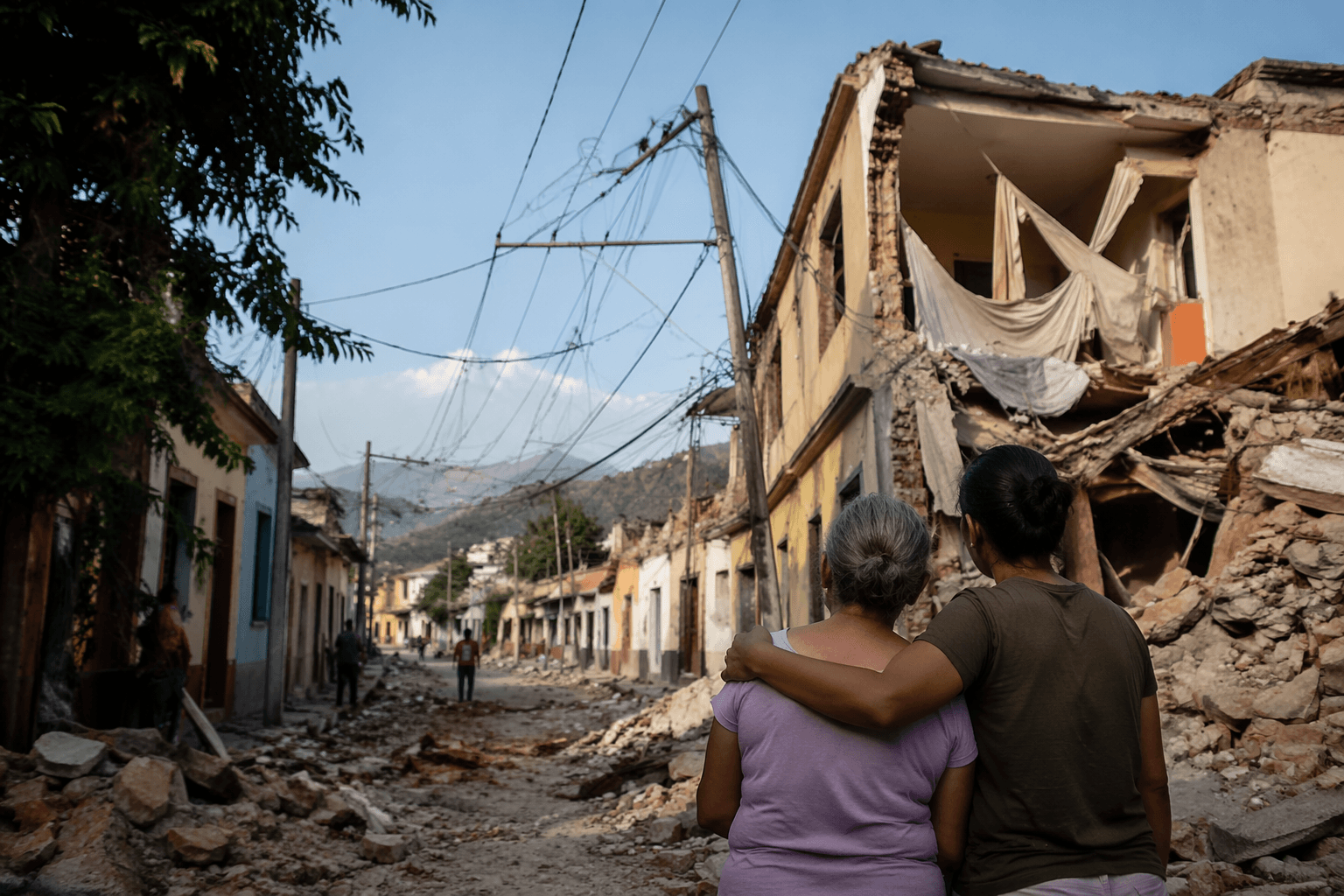
The International Federation of the Red Cross and Red Crescent Societies said the earthquakes disrupted power, telecommunications and transport and caused critical damage to essential health and transport infrastructure. The group said the most urgent expected needs were search and rescue, emergency shelter, trauma care, psychosocial support, safe water and sanitation, a list that underscores how quickly collapsed utilities can become a public health emergency.
USGS PAGER estimates put the scale of the risk in stark terms, with a 41% probability that fatalities could exceed 10,000 and a 17% chance they could reach 100,000. Reuters reported the death toll at least 164 with 971 injured, while U.S. President Donald Trump pledged rapid assistance and said the United States stood ready to help. With power lines down, water systems strained and hospitals already weakened, the first days of response will determine how many lives can still be saved.
This article was produced by Prism’s automated news system from verified source data, official records, and press releases, then run through automated quality and moderation checks before publishing. The system is built and supervised by the people who set the standards it runs under. Read our full AI policy.
Know something we missed? Have a correction or additional information?
Submit a Tip