Venezuela quake devastation turns into political test for Delcy Rodríguez
Twin quakes killed 3,535 and left Delcy Rodríguez defending a fraying state as neighbors pulled a child and a security guard from the rubble.
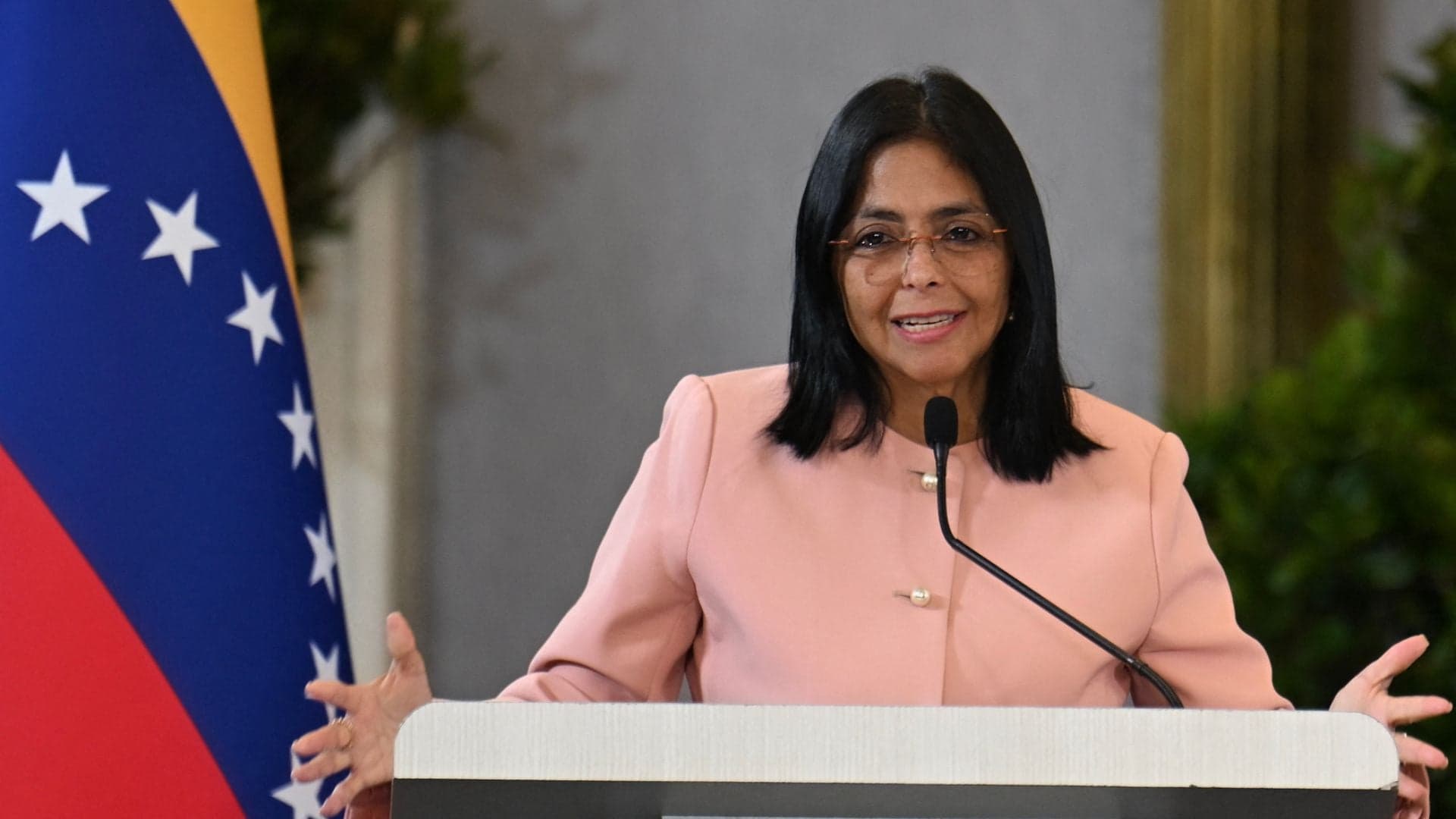
The death toll from Venezuela’s twin earthquakes climbed to 3,535 by July 6, even as rescuers kept pulling survivors from the wreckage. A 3-year-old boy was lifted alive from the rubble after six days, and a security guard survived more than a week trapped inside a collapsed mall in La Guaira. The disaster has become a political test for acting President Delcy Rodríguez, whose interim mandate was expiring just as criticism of the response hardened.
The first quake, a magnitude 7.2, struck on June 24, followed 39 seconds later by a magnitude 7.5. The epicenters were in Veroes Municipality, west of San Felipe, and the damage ran along the San Felipe-Yumare-Montalbán axis through Yaracuy and Carabobo, with severe impacts in Caracas and La Guaira. The United Nations Office for the Coordination of Humanitarian Affairs said authorities counted 782 aftershocks, later rising to more than 800. Early official figures put the number of wounded at more than 12,000 and the homeless at about 15,000, while Verisk estimated economic losses would exceed $10 billion.
Public anger grew as the government defended the speed and efficiency of its response. Rodríguez, serving under a 180-day interim mandate that was ending in early July, faced a crisis that merged rescue operations with political exposure. Opposition leader María Corina Machado sought a return amid the upheaval, sharpening the sense that the earthquake sequence had opened a new front in Venezuela’s long political breakdown.
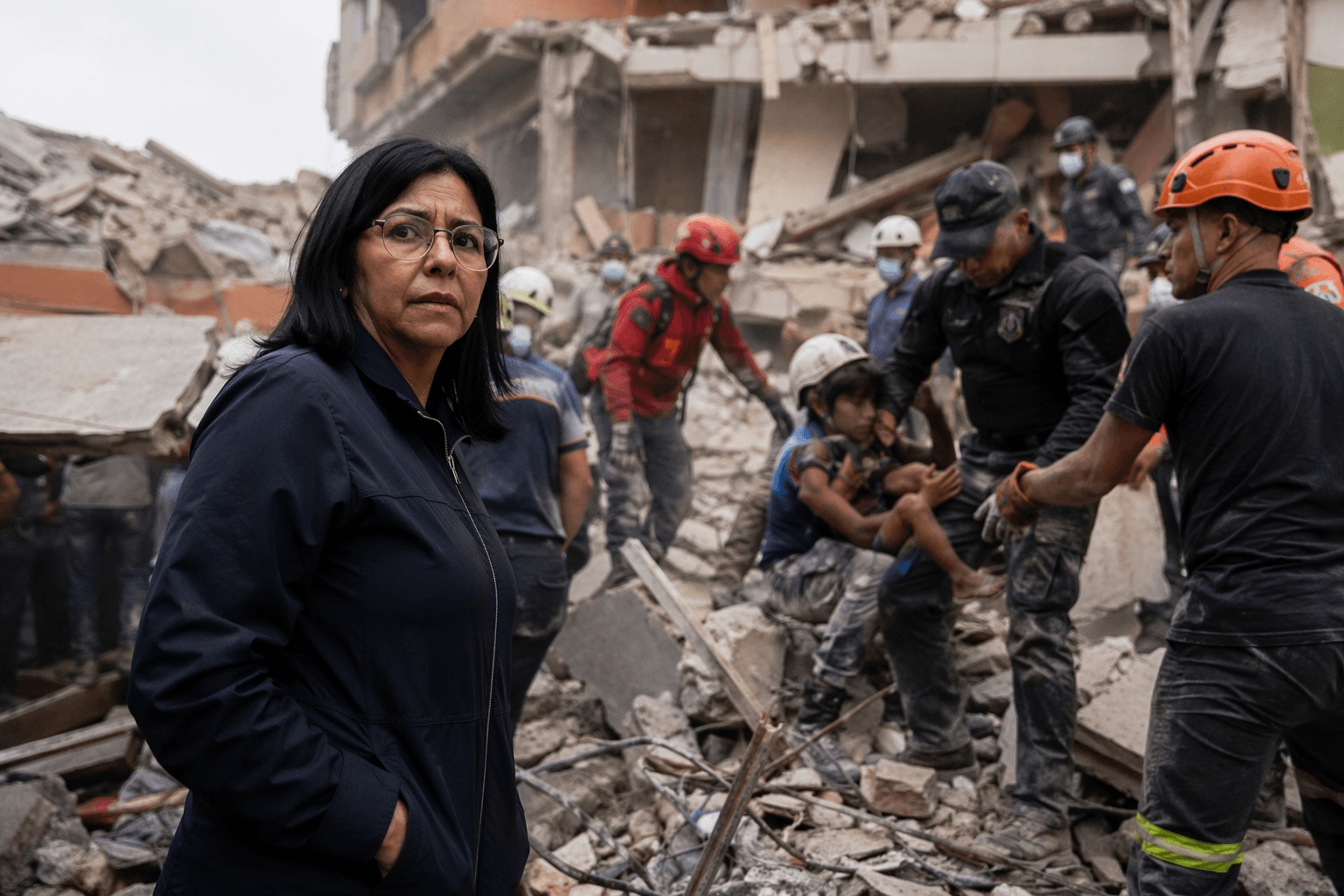
Families in the worst-hit neighborhoods worried that damaged structures were being demolished too quickly, before bodies could be recovered. Older buildings, substandard construction and long-neglected systems left many communities exposed, and the U.S. Geological Survey said landslides triggered by the sequence would likely be significant. In Caracas, La Guaira and San Felipe, the most durable response came from neighbors, rescuers and relatives who kept searching, carrying food, and waiting beside the ruins as the state struggled to match the scale of the collapse.
This article was produced by Prism’s automated news system from verified source data, official records, and press releases, then run through automated quality and moderation checks before publishing. The system is built and supervised by the people who set the standards it runs under. Read our full AI policy.
Did this article answer your question?