Venezuela Raises Minimum Income to $240 Amid Worker Protests
Venezuela lifted monthly minimum income to $240 and pensions to $70 as workers protested, but 649.47% inflation threatens to erase the gain.
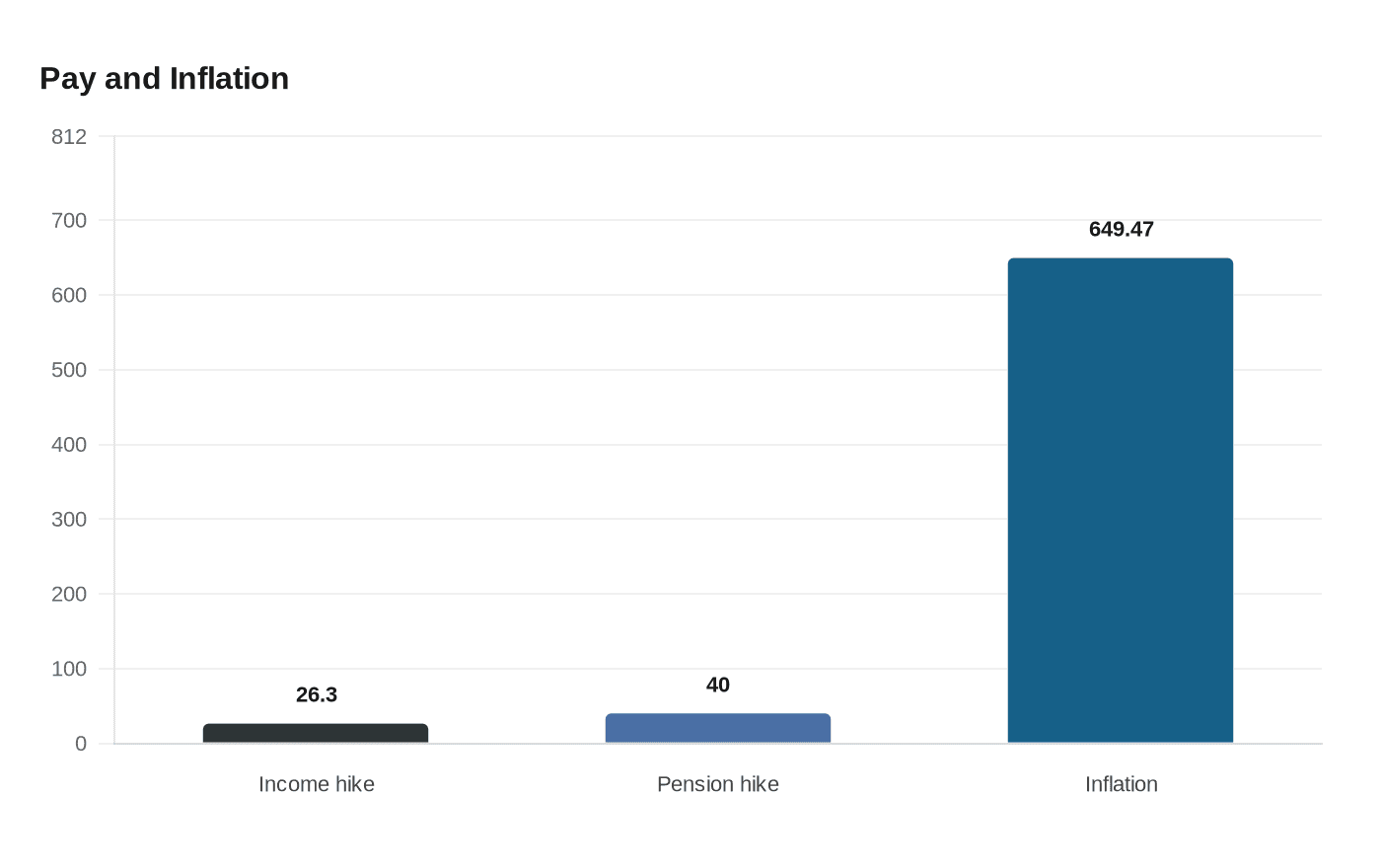
Venezuela’s acting president, Delcy Rodriguez, raised the monthly minimum income to $240 and pensions to $70 as the government confronted widening protests over wages and deteriorating living standards. The increase, announced in Caracas on the eve of International Workers’ Day, was described as a 26.3% jump in the minimum income package and a 40% increase in pensions.
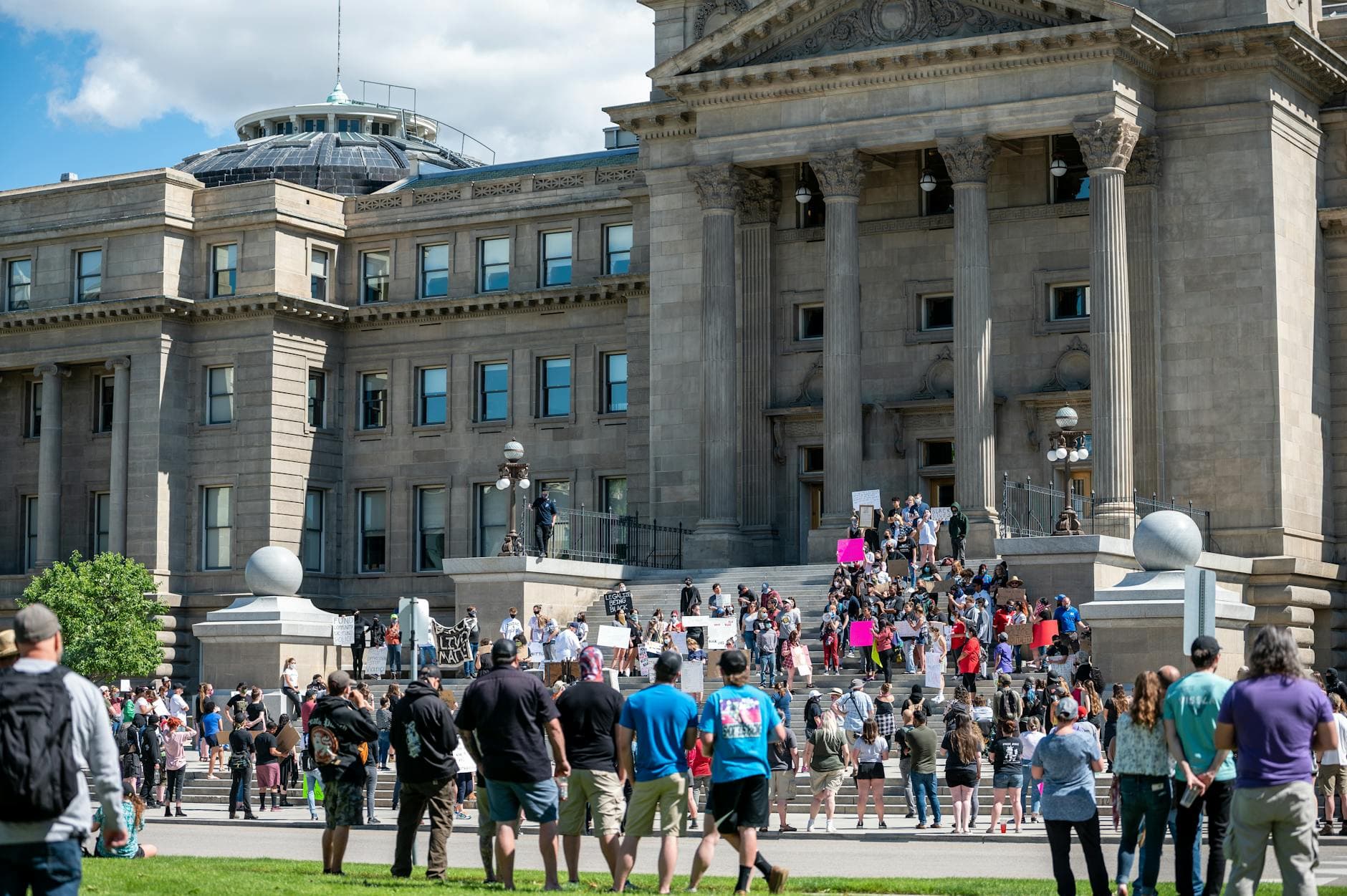
The timing underscored the political pressure surrounding pay in Venezuela. Workers, retirees and public-sector unions marched in Caracas on April 9 demanding higher wages and dignified pensions, while another protest on April 15 outside the Supreme Court of Justice brought together medical personnel, public workers, retirees and pensioners carrying signs that read, “No more starvation wages.” Those demonstrations helped turn salary policy into a public test of the government’s economic credibility.
The announcement also came after Rodriguez said on April 8 that the government would make a “responsible increase” to workers’ income on May 1. The new package is the latest attempt to soften the impact of inflation and labor discontent while authorities seek to channel oil and mining revenue into better compensation. Bloomberg said the government framed the move as an effort to ease pressure on households after months of high inflation and growing unrest.
The central question is not the size of the increase, but what it can actually buy. Venezuela’s formal minimum wage has been frozen at 130 bolívares a month since March 2022, and unions have long criticized the government’s bonus-based compensation system because bonuses do not count toward social security and other labor benefits. That leaves pensions especially exposed, since retirees have fewer ways to supplement income when prices rise.
Inflation remains the most severe threat to purchasing power. Trading Economics reported annual inflation at 649.47% in March 2026, a level that makes even large nominal adjustments vulnerable to rapid erosion. In that environment, the practical value of the new minimum income will be judged in the basics of daily life: groceries, medicine, transportation and rent. For many households, the increase may offer short-term relief, but it does not resolve the deeper imbalance between wages and prices that has driven repeated labor unrest.
The government’s challenge is now as political as it is economic. By raising pay ahead of International Workers’ Day, Rodriguez signaled an effort to show responsiveness to workers’ demands. Whether the increase marks stabilization or simply another nominal adjustment swallowed by inflation will depend on whether the cost of living stops outrunning salaries, pensions and savings.
This article was produced by Prism’s automated news system from verified source data, official records, and press releases, then run through automated quality and moderation checks before publishing. The system is built and supervised by the people who set the standards it runs under. Read our full AI policy.
Did this article answer your question?
%3Amax_bytes(150000)%3Astrip_icc()%2FCertificate-of-deposit-2301f2164ceb4e91b100cb92aa6f868a.jpg&w=1920&q=75)