Venezuelan Oil Disruptions and Mexico Supply Shortfalls Deepen Cuba’s Energy Crisis
Cuban energy shortages worsened after Venezuelan oil shipments were disrupted following a U.S. operation in Venezuela, and Mexico cannot fully replace the lost supply - expect more blackouts and higher costs.
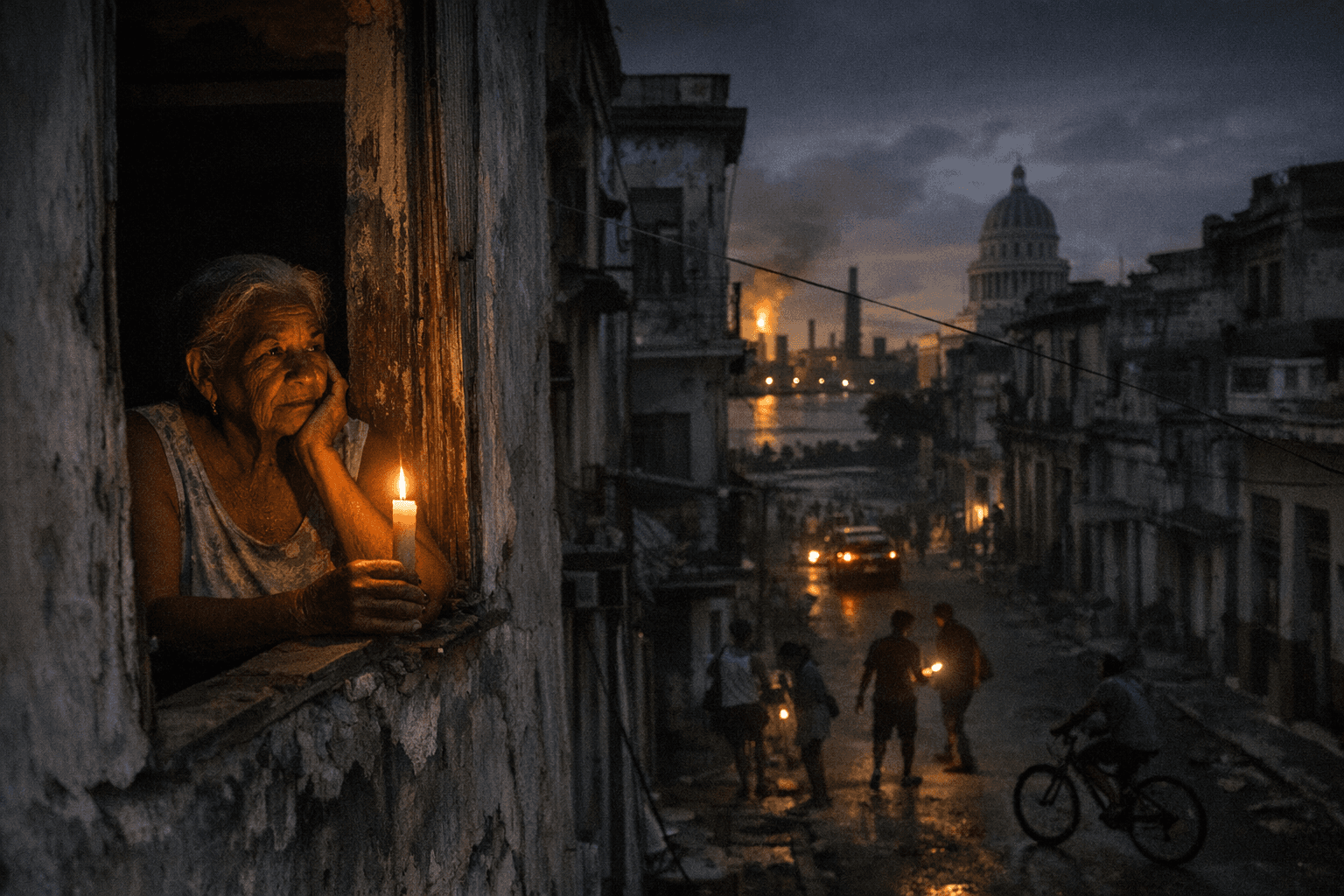
Disruptions to Venezuelan oil shipments after a U.S. operation in Venezuela earlier in January have tightened fuel availability on the island and pushed Cuba deeper into an energy crisis. The country has long depended on subsidized or preferential oil from Venezuela; with those flows interrupted, Mexico has been asked to supply more fuel but is unlikely to cover the gap sustainably. That combination raises the risk of more frequent apagones and rising costs for households and businesses.
Cuba’s power system is already strained by decades of underinvestment in the electricity grid and generation capacity. The loss of a steady, concessional fuel source forces the government to rely on third-party suppliers, short-term fuel purchases, and commercial imports. Those options increase immediate fiscal pressure and expose the island to market volatility and geopolitical leverage that preferential Venezuelan shipments had largely insulated Cuba from.
The practical consequences are immediate and tangible. Expect longer and more unpredictable blackouts that will affect hospitals, clinics, and cold-chain needs for food and medicines. Tourism operations face higher operational costs and greater uncertainty; hotels and coastal services that run generators will see fuel bills climb. Industry, from nickel processing to small manufacturing and sugar mills, will face interruptions that reduce output and employment. For ordinary households, higher prices for transport and basic goods will compress already tight budgets.
Community-level responses will matter. Households should prepare for longer outages by maintaining emergency water and food reserves, keeping mobile devices charged when power is available, and protecting refrigeration. Small businesses should review contingency plans - shift energy-intensive work to daylight hours where possible, prioritize essential equipment, and budget for higher fuel costs. Neighborhood mutual aid networks can help manage shared resources and assist vulnerable residents during extended outages.
Longer term, the disruption highlights structural weaknesses. Without significant reform and investment in generation, grid modernization, and diversified, reliable fuel arrangements, Cuba will remain vulnerable to shocks that originate beyond its borders. Relying on short-term market purchases is expensive and politically risky, and will not substitute for investment in renewables, efficiency, and infrastructure maintenance.
For readers, the immediate weeks ahead will test coping strategies: expect intermittent service, rising costs, and potential impacts on tourism activity during peak season. The larger takeaway is clear - unless the island moves toward sustainable energy investments and more resilient supply chains, geopolitical events will continue to translate quickly into lights-out moments on the ground.
Know something we missed? Have a correction or additional information?
Submit a Tip