VETUS launches 22 kW E-LINE motor for repower projects
VETUS introduced a 22 kW electric inboard aimed at DIY refits and small yards. It fits many existing engine foundations and adds range-management and Sailing Assist firmware.
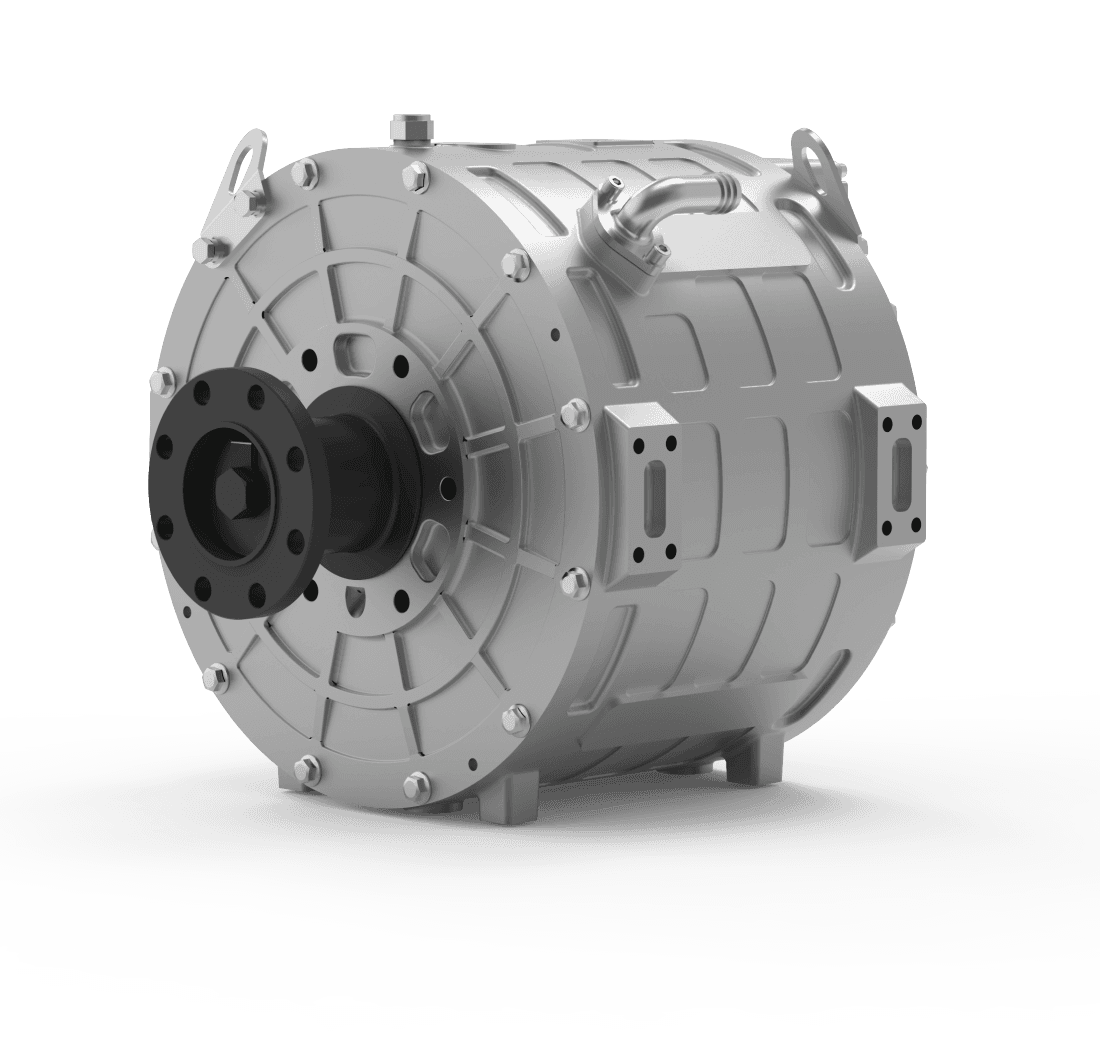
VETUS has expanded its E-LINE family with a new 22 kW electric inboard designed for repowers and refits on boats up to roughly 15 m (50 ft). At about 130 Nm of torque, this is the highest-output motor in the E-LINE lineup and is packaged as a modular, ready-to-install system intended to lower the barrier for owners and smaller yards to convert to electric propulsion.
The unit’s compact footprint and modular architecture are the headline features for DIYers and small shipyards. The motor is designed to mount on many existing engine foundations, which can reduce the need for costly structural changes during a repower. Modular components mean you can stage a conversion over time: install the motor and basic control hardware now and scale battery capacity, controls, or monitoring later as budget and needs evolve.
Cooling and firmware choices reflect practical cruising realities. Installers can choose keel cooling or fresh-water cooling depending on boat layout and maintenance preferences. Built-in range-management tools and a Sailing Assist firmware mode aim to squeeze efficiency out of cruising passages, useful for conservations-minded owners and those preparing for low-emission green zone waterways where electric operation may be required or incentivized.
For the hands-on community, the most immediate advantages are quieter running, lower routine maintenance, and simpler mechanical packaging compared with small diesel inboards. That translates to less fiddling with fuel systems, no oil changes, and a more pleasant cockpit experience underway and at anchor. For small yards, offering staged repowers with a standardized, ready-to-install motor can make electric conversions more predictable and profitable.
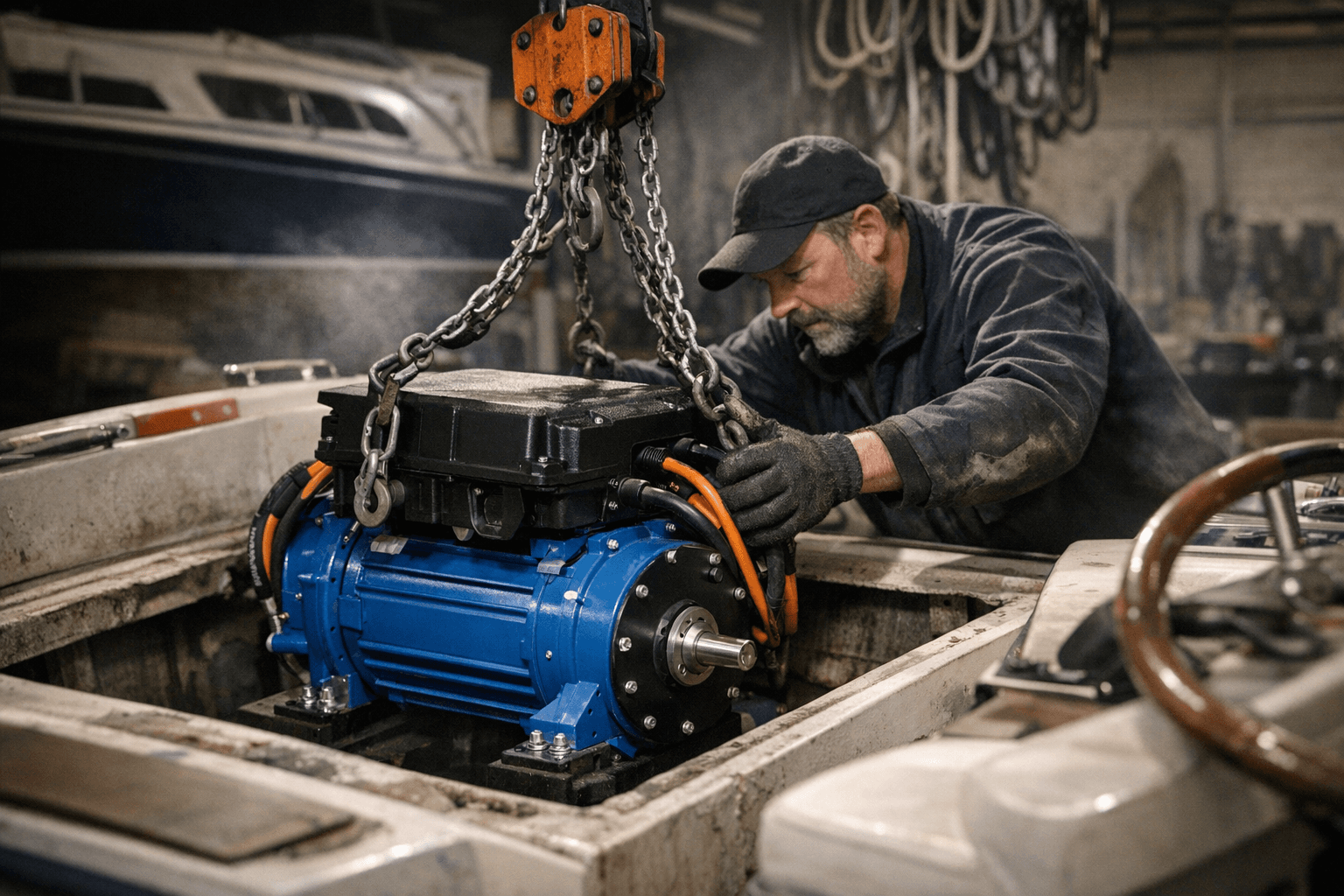
Practical notes for anyone considering this motor: confirm compatibility with your existing engine bed and shaft coupling, and factor in shaft alignment and weight distribution when planning the swap. Cooling choice and battery sizing will drive much of the installation complexity, so work with an authorized dealer or installer to specify batteries, charging hardware, shore-power integration, and safety systems. Also check local regulations for green zones or emissions rules that could influence range and charging strategy.
Our two cents? This 22 kW E-LINE looks like a sensible step for owners who want to shift away from diesel without redesigning their boat. Start by measuring your engine foundation and sketching battery locations, then talk to a dealer about a staged plan that fits your wallet and cruising style.
Know something we missed? Have a correction or additional information?
Submit a Tip