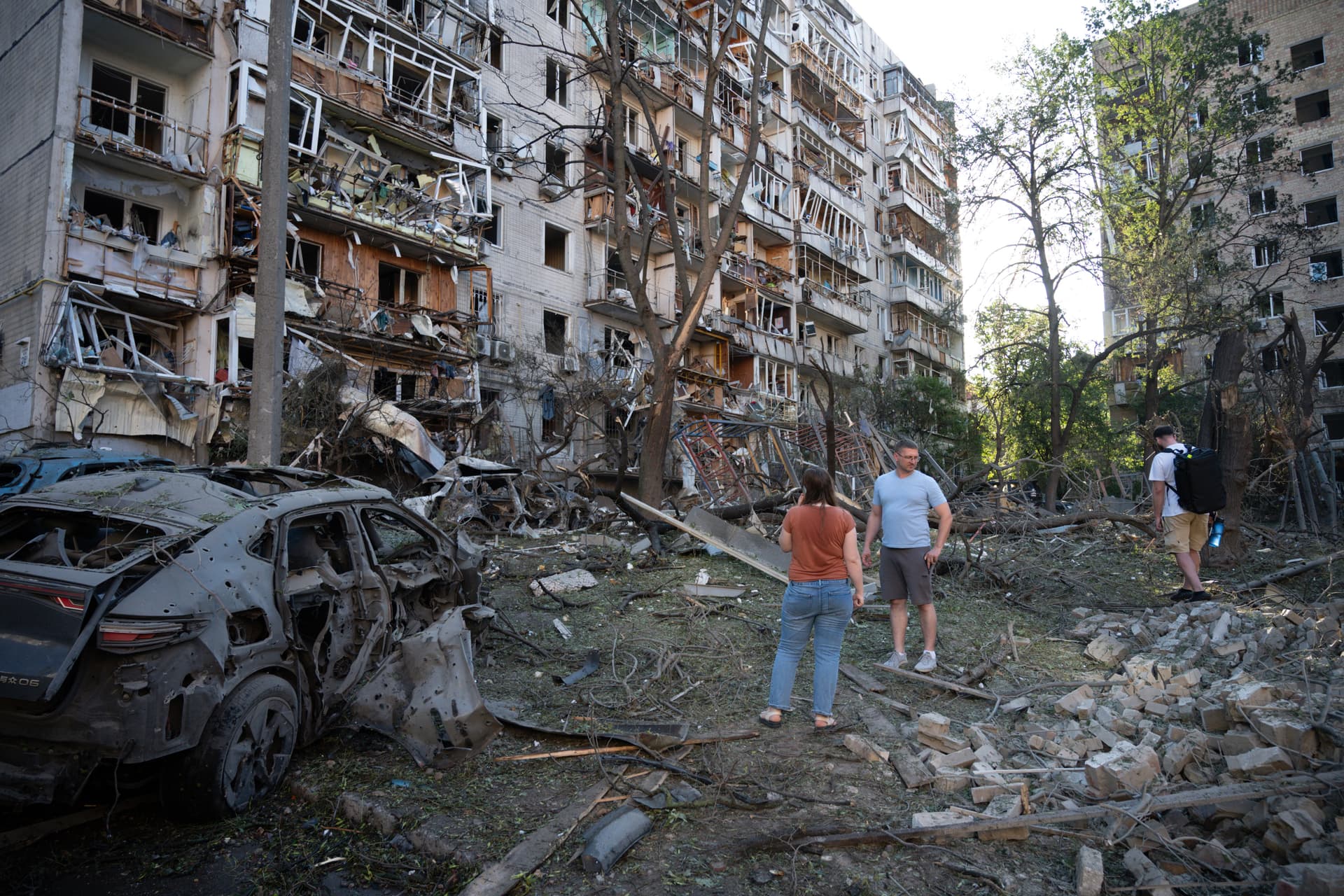
Vietnam's To Lam Secures Presidency, Consolidating Power With China-Style Mandate
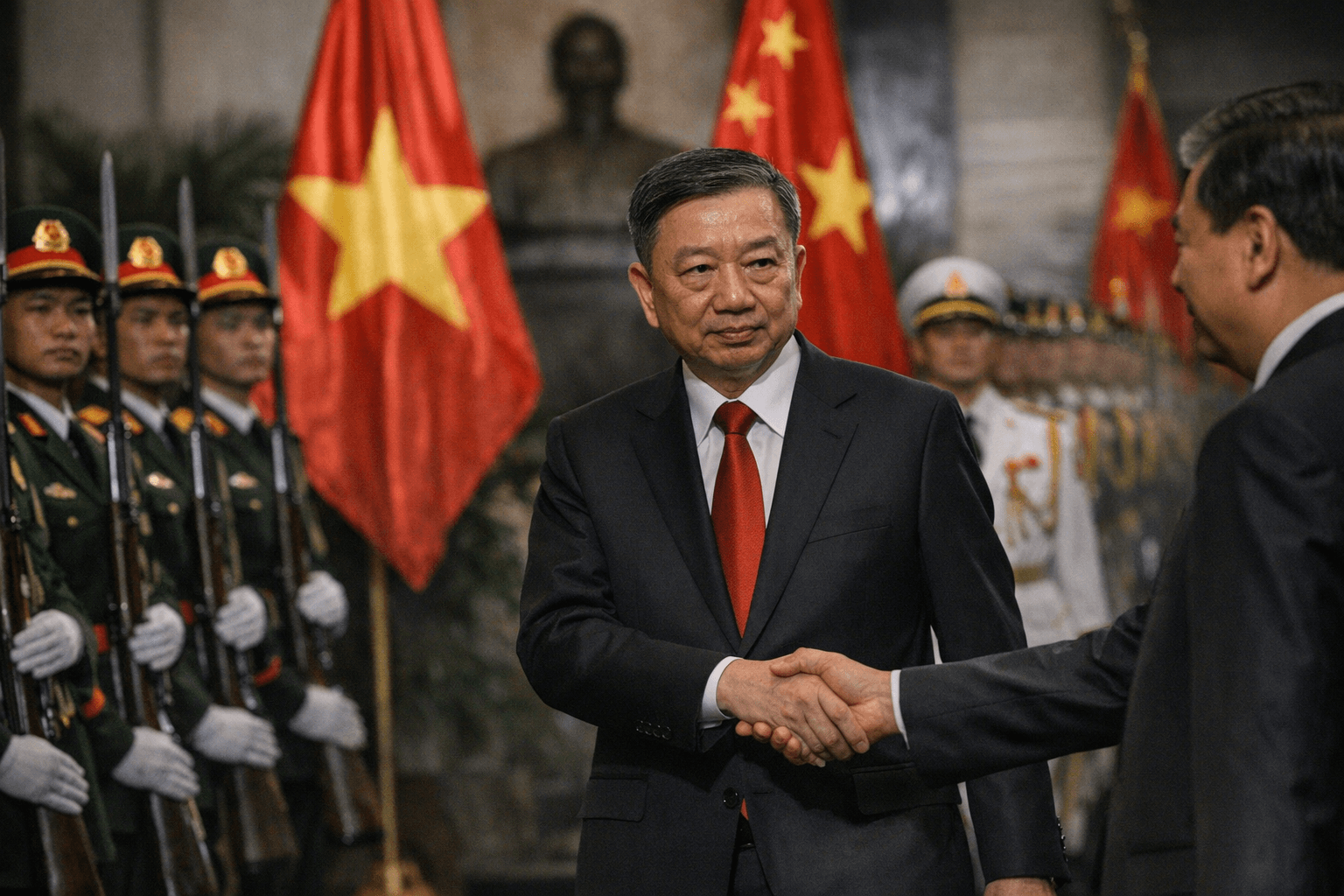
Vietnam's To Lam captured 99% of the vote to become state president April 7, merging party and government authority in a China-style power structure unseen in Hanoi in decades.
Vietnam's 68-year-old Communist Party chief To Lam secured the state presidency on April 7 after the newly seated 16th National Assembly voted 99% in his favor, making him the sole figure to simultaneously hold both the party's top post and the country's highest state office. The approval, described by analysts as largely a formality in the one-party state, formalized what had been building since Lam's unanimous reelection as General Secretary at the 14th Party Congress in January, when the 180-member Central Committee returned him to the party's apex without a single dissenting vote.
The move marks a decisive break from Vietnam's traditional collective leadership system, concentrating authority in one figure in ways analysts say could tilt the one-party state toward greater authoritarianism, while also enabling faster decision-making, mirroring the structure Beijing has operated under since Xi Jinping merged equivalent roles. Nguyen Khac Giang, a researcher in Vietnamese politics at ISEAS-Yusof Ishak Institute, described the January congress as a success for Lam: "The main takeaway is that To Lam was given a very strong mandate to accelerate his reform," noting that the congress was cut short by a day and a half, a sign of strong internal consensus.
Lam's reappointment caps the rise of a career policeman who climbed from the security services to the apex of Vietnam's political system. As former Minister of Public Security, he spent years filling high-ranking positions in key security agencies with loyalists, including allies from his native Hung Yen Province. Under Lam, Vietnam restructured its political system by reducing regulations, cutting 20% of public sector jobs, shrinking the number of ministries from 22 to 14, merging some state and party institutions, and halving the number of Vietnamese provinces.
The economic stakes behind that structural overhaul are significant. The party congress was shaped by the central question of whether Vietnam can transform itself into a high-income economy by 2045, setting a target of 10% or higher annual growth from 2026 to 2030, requiring movement beyond cheap labor and export-led growth toward productivity, technology, and a stronger private sector. Lam has been explicit about the urgency: "We must achieve double-digit growth to reach the set goals," he said. Vietnam's economy has averaged roughly 6% growth in recent decades, making the 10% target a substantial upward shift demanding structural transformation.
For U.S. companies anchored in Vietnam's manufacturing supply chains, Lam's consolidation carries a double edge. Such consolidation could speed decisions and push through reforms, but risks weakening intra-party checks and complicating succession, factors that foreign investors weigh heavily in long-term capital allocation. Lam has already met with President Trump and, according to Vietnamese state media, secured a pledge to remove Vietnam from several export control lists, including those blocking dual-use technologies such as aerospace components and semiconductors. That diplomatic engagement highlights Lam's effort to balance between internal hardliners and his drive to grow closer to the United States as a major source of economic growth.
The Council on Foreign Relations noted that Lam, never soft on dissent, has increasingly used Chinese-style surveillance and internet control tactics to suppress opposition, and that crackdown is expected to continue. Rights campaigners say the government has in recent years stepped up a crackdown on civil society groups, and the Vietnam-focused rights organization The 88 Project reports 200 activists are currently in prison. The 16th National Assembly's decision to restrict public access to the 2026 leadership elections reinforced the pattern of tightening institutional opacity alongside economic liberalization.
Whether Lam can sustain that contradiction, an open economy with a closed political system, will define Vietnam's trajectory for the next five years, and increasingly, its strategic weight between Washington and Beijing.
This article was produced by Prism’s automated news system from verified source data, official records, and press releases, then run through automated quality and moderation checks before publishing. The system is built and supervised by the people who set the standards it runs under. Read our full AI policy.
Did this article answer your question?