Vilnius Airport Suspends Flights, Suspected Balloons Trigger Security Response
Vilnius Airport suspended departures and arrivals on Nov. 30 after suspected balloons were detected in its airspace, the latest disruption in a series that began in October. Lithuanian authorities say small weather style balloons are being used by smugglers and have accused Belarus of allowing or failing to stop the practice, escalating tensions across the Baltic region and prompting heightened air safety measures.
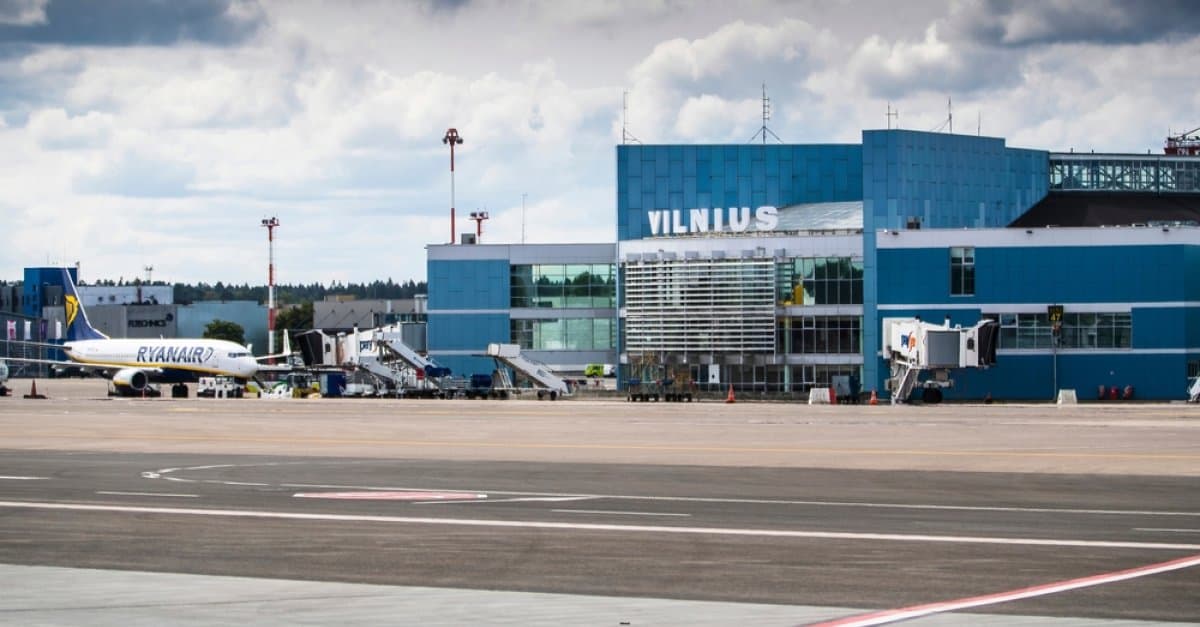
Vilnius Airport suspends departures and arrivals on Nov. 30 after suspected balloons are detected in its airspace, forcing temporary closures that disrupted schedules and prompted security reviews. The airport action follows a string of similar interruptions that began in early October, when Lithuanian authorities first reported small, weather style balloons being used to ferry contraband across the border region.
Lithuanian officials have linked the incidents to smuggling operations and have publicly accused Belarus of permitting or failing to prevent the launches. The repeated airspace episodes have led Lithuania to tighten border security measures in recent weeks and to coordinate more closely with civil aviation authorities to protect commercial flights. Airlines were affected by diversions and cancellations as flights were rerouted or delayed while the airport was closed.
The use of light balloons for cross border smuggling presents a novel challenge for air authorities in the region. Their small size and high altitude make detection difficult for conventional radar systems designed for larger aircraft, and their low cost allows smugglers to deploy multiple devices with little immediate risk of interception. For a country whose geopolitical position places it on the frontline between the European Union and Belarus, such tactics add a new layer of complexity to already fraught relations.
Regional capitals and aviation regulators have been watching the developments closely. The incidents have prompted heightened air safety responses throughout the Baltic states, with increased alerts for air traffic controllers and additional scrutiny of inbound flights. Airports and airlines must balance the need to maintain service for passengers with the imperative to ensure safety in an uncertain operating environment.

The diplomatic fallout is growing. Accusations that Belarus is allowing or not taking sufficient action to prevent the launches deepen mistrust between the two neighbors and risk drawing broader international attention to what began as a law enforcement and customs issue. The incidents touch on multiple areas of international concern, from border control and criminal trafficking to respect for airspace sovereignty under international law.
Investigations are ongoing into the most recent closure and into the broader pattern of launches that have interrupted operations multiple times since October. Lithuanian authorities have said they are examining flight records and security footage and coordinating with regional partners to improve detection and interdiction capabilities. Airlines say they are monitoring the situation and adjusting operations to minimize disruption for passengers while complying with instructions from aviation and security authorities.
For travelers and businesses that rely on predictable regional air links, the incidents underscore how local security problems can have outsized ripple effects on mobility and commerce. As the Baltic region prepares for further winter travel demands, authorities face pressure to find technical and diplomatic solutions that will restore confidence in the safety of the skies.
This article was produced by Prism’s automated news system from verified source data, official records, and press releases, then run through automated quality and moderation checks before publishing. The system is built and supervised by the people who set the standards it runs under. Read our full AI policy.
Did this article answer your question?