Volkswagen, Stellantis and Renault urge EU to ease carmaking rules
Volkswagen, Stellantis and Renault pushed Brussels to harden "Made in Europe" rules, but on their terms: 70% local-content targets, cheaper EV support and looser sourcing.
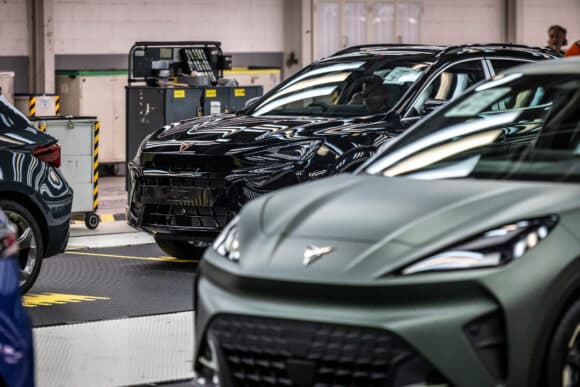
Volkswagen, Stellantis and Renault have pressed the European Union to turn “Made in Europe” from a slogan into a policy that protects production, supply chains and jobs, while also making the rules clearer and less costly for automakers to follow. The three mass-market groups, which together account for about 60% of EU vehicle output, argued that Europe’s car industry is facing a harsher competitive shock as battery technology erodes old advantages, demand remains sluggish and factories run below capacity.
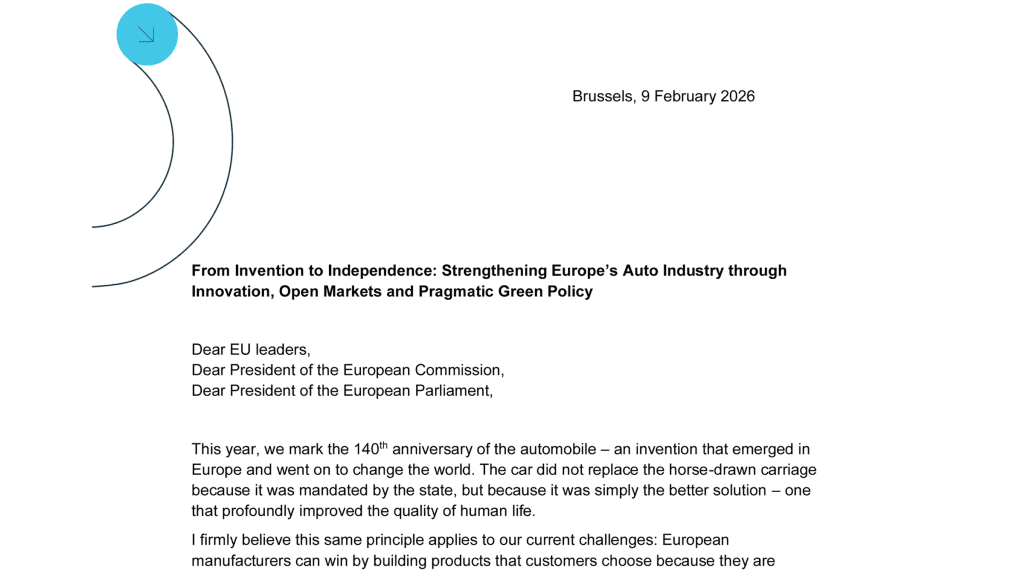
In a joint open letter, Oliver Blume and Antonio Filosa said the sector generates about 8% of European GDP and supports 13 million jobs. The companies said roughly nine in 10 cars they sell in the EU are already built in Europe, but warned that battery cells remain a strategic weakness because cheaper vehicles force manufacturers to source the lowest-cost batteries abroad. Their answer was a more concrete local-content rule: 70% of EU-made vehicles should contain 70% of their value in work and components from EU member states plus Norway, Iceland and Liechtenstein.
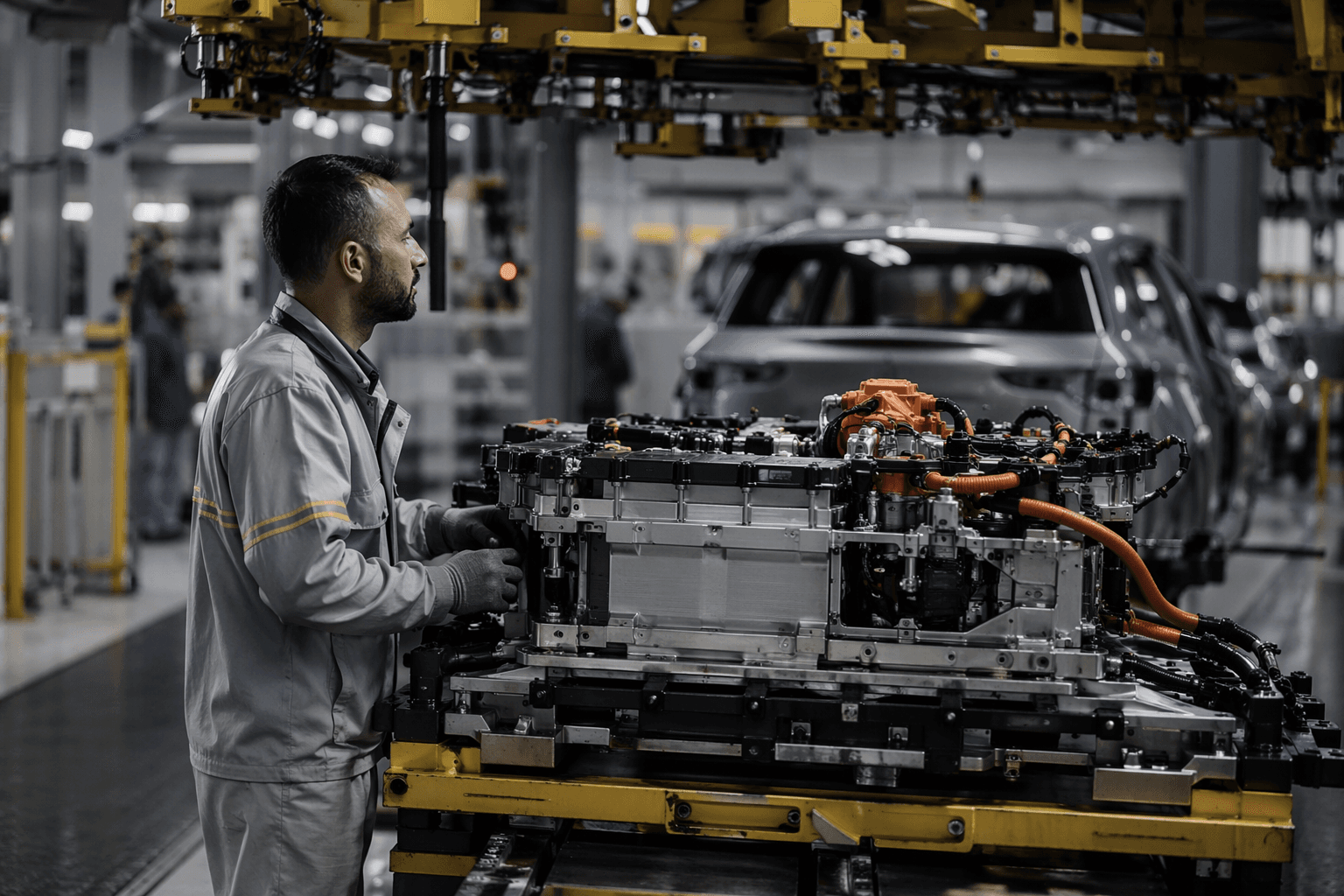
The proposal goes beyond a simple sourcing test. Volkswagen, Stellantis and Renault want Brussels to back small electric cars made in Europe with stronger incentives, including super credits that would count toward emissions targets, and they want those benefits extended more broadly to EVs built inside the bloc. That reflects a wider effort to shape pricing and investment decisions as Chinese brands such as BYD and SAIC’s MG gain ground with cheaper, well-equipped electric models, while producers in China are trapped in a domestic price war and are looking harder at export markets.
The companies’ push comes as the European Commission, under Stéphane Séjourné’s industrial portfolio, has been preparing a broader industrial strategy that could link EV subsidies or public procurement to assembly in the EU and a high local-content threshold. Earlier reporting suggested a 70% benchmark was under discussion. Supporters say the goal is to strengthen industrial resilience and keep value added inside Europe; critics warn it could harden into another layer of bureaucracy that raises costs and narrows supply options.
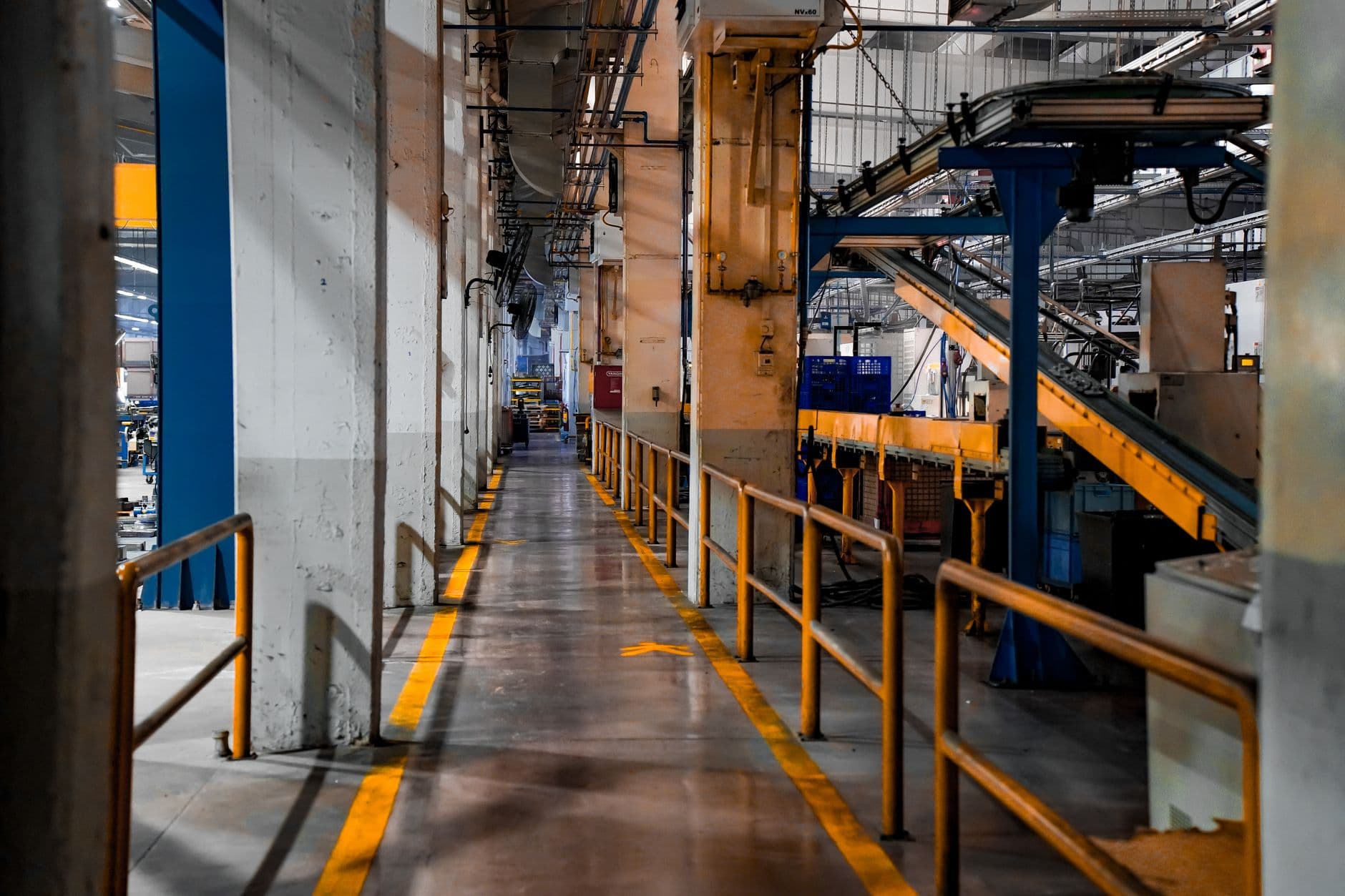
BMW has already cautioned that tougher “Made in Europe” rules could add unnecessary costs and bureaucracy. That tension goes to the heart of the debate now unfolding in Brussels: whether a simpler industrial policy would reinforce European manufacturing, or mainly give incumbent carmakers more room to bargain for looser standards as the bloc moves toward a 2035 requirement that all new vehicles be zero-emission, subject to a 2026 review.
This article was produced by Prism’s automated news system from verified source data, official records, and press releases, then run through automated quality and moderation checks before publishing. The system is built and supervised by the people who set the standards it runs under. Read our full AI policy.
Know something we missed? Have a correction or additional information?
Submit a Tip