Voters Across England, Scotland and Wales Share Views on May Elections
With England, Scotland and Wales all voting on 7 May, a BBC voter tour reveals sharply different concerns, with Labour potentially finishing third in both devolved nations.

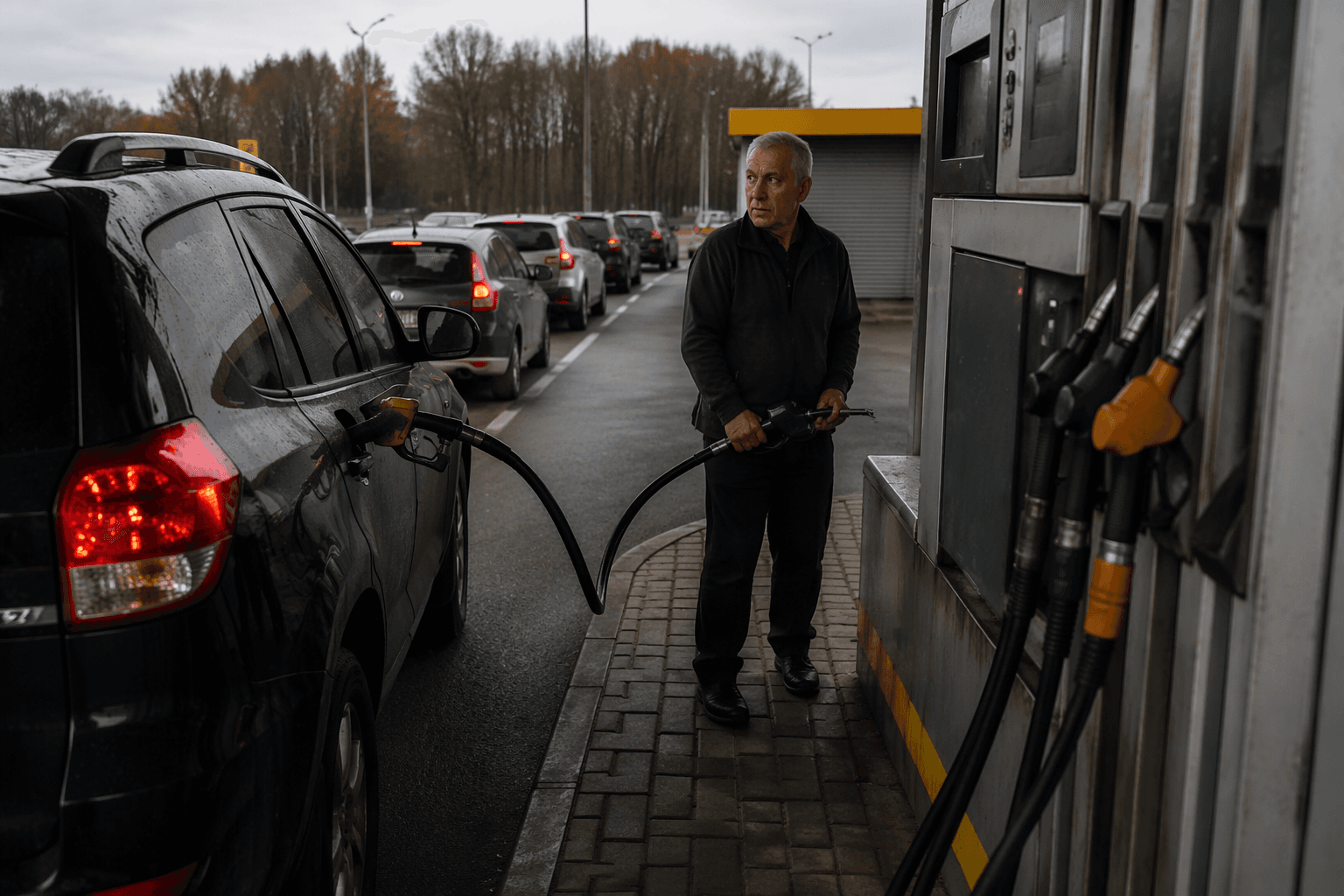
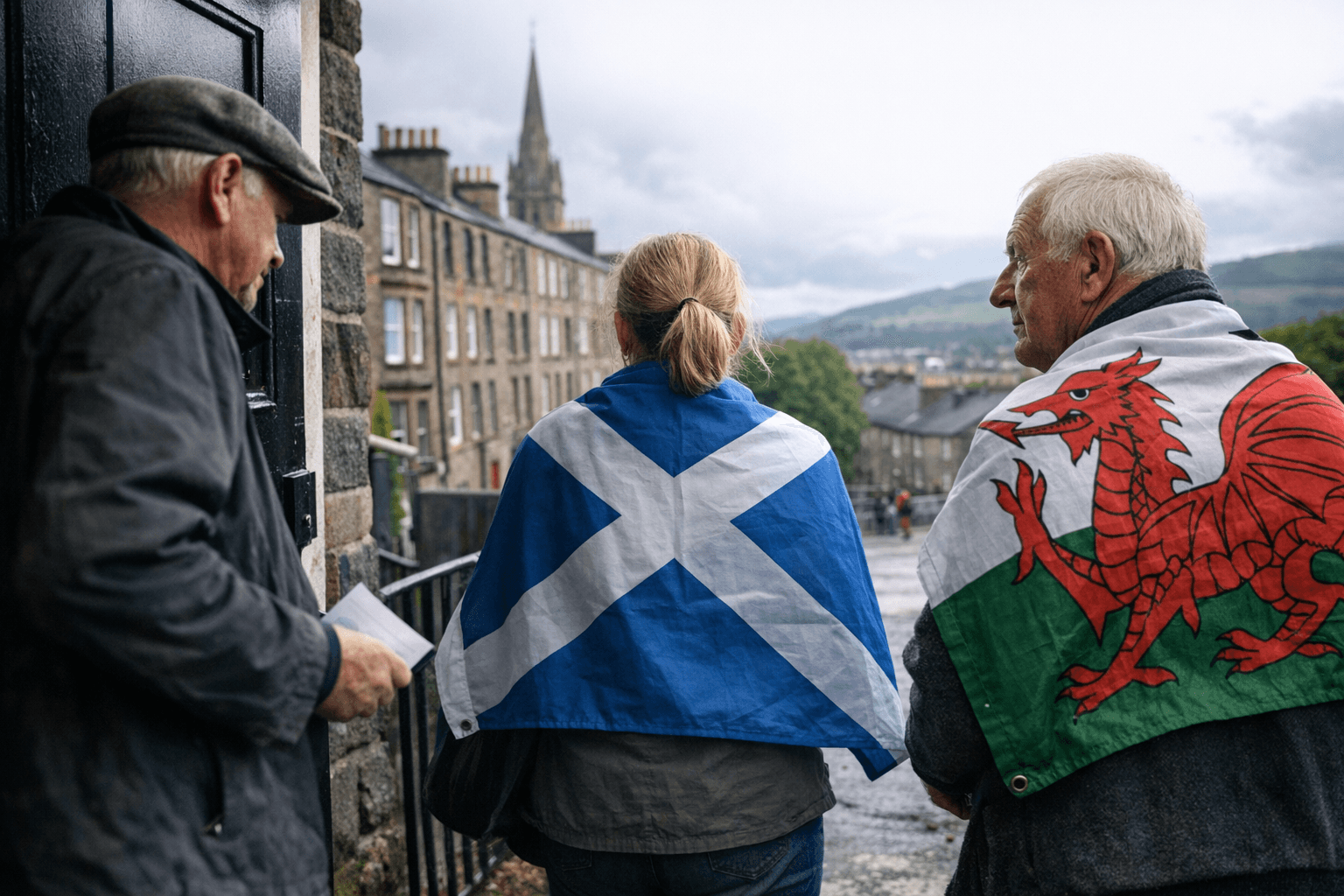
With less than four weeks until polling day, a BBC Radio 5 Live road trip across England, Scotland and Wales laid bare just how differently voters in each nation are approaching the 7 May elections, and why a single national poll can paint a deeply misleading picture of what is actually at stake.
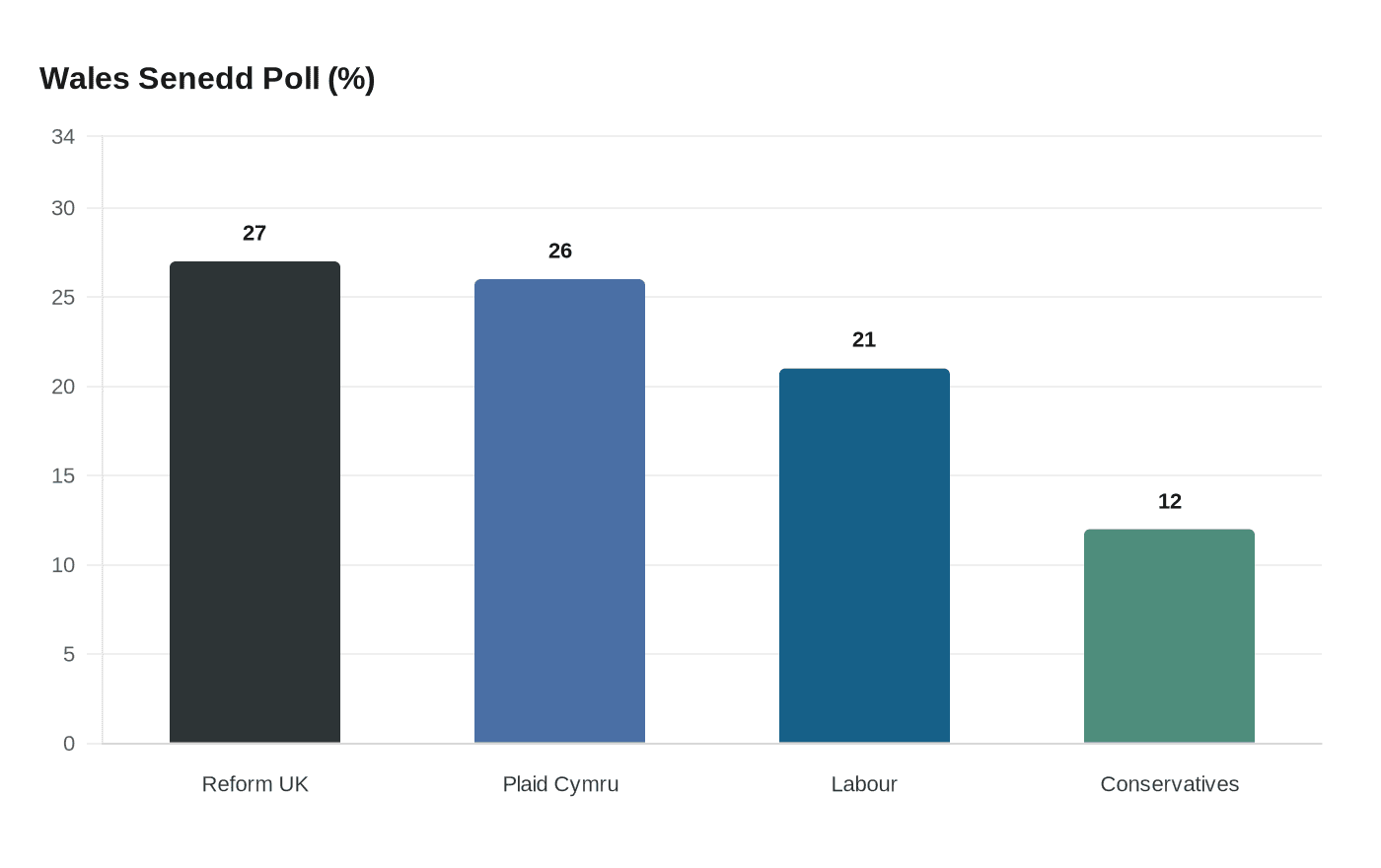
In Wales, the mood is seismic. The Senedd election marks the most significant overhaul in 25 years, with the chamber expanding from 60 to 96 members under a new proportional constituency system that reduces the number of constituencies from 40 to 16. The structural change has shaken loose old loyalties. A Beaufort Research poll for Nation.Cymru put Reform UK on 27 per cent, Plaid Cymru just behind on 26 per cent, and Labour in third on 21 per cent, with the Conservatives trailing on 12 per cent. Welsh Labour has not lost an election in Wales since 1931, making any such defeat, as analysts have noted, potentially cataclysmic.
Scotland presents a distinct contest with its own fault lines. The SNP under John Swinney remains the largest political force but faces growing challenges, with polls placing the party at 33 to 34 per cent on the constituency vote and 26 to 29 per cent on the regional list, far lower than in previous years. The 7 May vote will determine who governs at Holyrood, with all 129 Scottish Parliament seats up for contest. Independence remains a galvanising factor; some analysts argue the prospect of a Farage-led Westminster government could act as a defensive prompt for Scottish voters to back pro-independence parties.
England's picture is fragmented differently again. Voters will elect more than 4,851 councillors across 134 of England's 317 councils, alongside six directly elected mayors. The four county councils of Norfolk, Suffolk, East Sussex and West Sussex are viewed as prime Reform UK targets, being large all-seats-up contests in areas that mirrored the party's strong performance in last year's general election.
Issues including cost of living, the economy, migration and foreign affairs rank highest among voter priorities, according to YouGov data. Yet the weight given to each shifts dramatically by geography: in Scotland, constitutional questions about independence sit alongside them; in Wales, it is the legitimacy of a new voting system and a historically dominant Labour party under pressure from two very different challengers; in English county halls, it is the texture of local services and the resonance of national anti-government sentiment.
Both Keir Starmer and Conservative leader Kemi Badenoch head into 7 May focused primarily on limiting losses, while Nigel Farage's Reform UK, the Liberal Democrats under Ed Davey, and the Greens under Zack Polanski are each targeting gains at the larger parties' expense. That multi-party fragmentation makes turnout, and the specific issues animating voters in each locality, far more determinative of results than any headline national figure suggests. The deadline to register to vote is 11:59pm on Monday, 20 April.
This article was produced by Prism’s automated news system from verified source data, official records, and press releases, then run through automated quality and moderation checks before publishing. The system is built and supervised by the people who set the standards it runs under. Read our full AI policy.
Did this article answer your question?