Waitrose to halt mackerel sales by 29 April amid 70% cut call
Waitrose will stop sourcing fresh, chilled and frozen mackerel by 29 April 2026; tinned stock will sell through before sourcing ends as the retailer cites overfishing concerns.
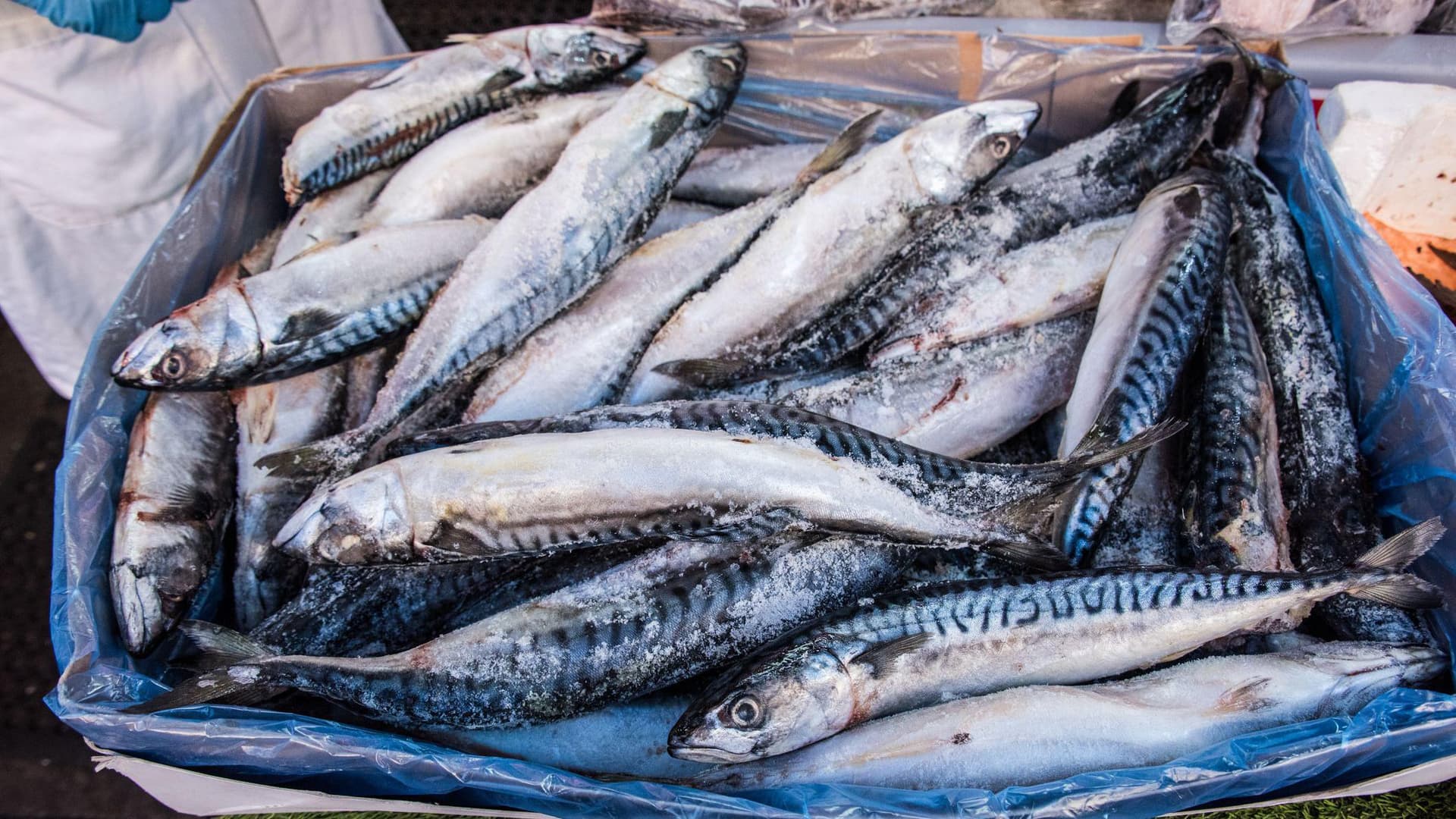
Waitrose announced it will suspend sourcing of fresh, chilled and frozen mackerel by 29 April 2026 and will stop buying tinned mackerel once current stocks are exhausted, calling the move a direct response to scientific advice warning of dangerously depleted stocks. The supermarket said all its mackerel is sourced from Scottish waters and that from May 2026 North East Atlantic mackerel would no longer meet its responsible sourcing standards.
The decision, disclosed at the retailer’s Food System Transformed conference on 26 February, marks what Waitrose describes as the first time a UK supermarket has paused sales of a staple species explicitly on sustainability grounds. Waitrose framed the action as consistent with its ethical procurement policies and pledged to replace mackerel lines with alternatives certified by the Marine Stewardship Council.
“By suspending sourcing of mackerel at Waitrose we are reinforcing our ethical and sustainable business commitments, acting to tackle overfishing and protect the long-term health of our oceans and this crucial fish,” said Jake Pickering, head of agriculture, aquaculture and fisheries at Waitrose. He added: “Our customers trust us to source responsibly, and we are closely monitoring the fishery. We look forward to bringing mackerel back to our shelves once it meets our high sourcing standards.”
The supermarket linked its move to scientific advice from the International Council for the Exploration of the Sea, which in September advised cuts of about 70 percent to allow stocks to rebuild. In December the UK, Norway, the Faroe Islands and Iceland agreed to a 48 percent reduction in catches; Waitrose said that scale of reduction still falls short of the scientific guidance and does not meet its sourcing thresholds.
Conservation groups welcomed the announcement but urged broader action. The Marine Conservation Society warned that mackerel has been “under immense pressure from fishing activities across multiple nations, and the stock will soon be no longer able to sustain itself.” Kerry Lyne, manager of the society’s Good Fish Guide, said: “To keep favourites like mackerel on the menu, we need support right across the supply chain with fishing kept within sustainable limits.”
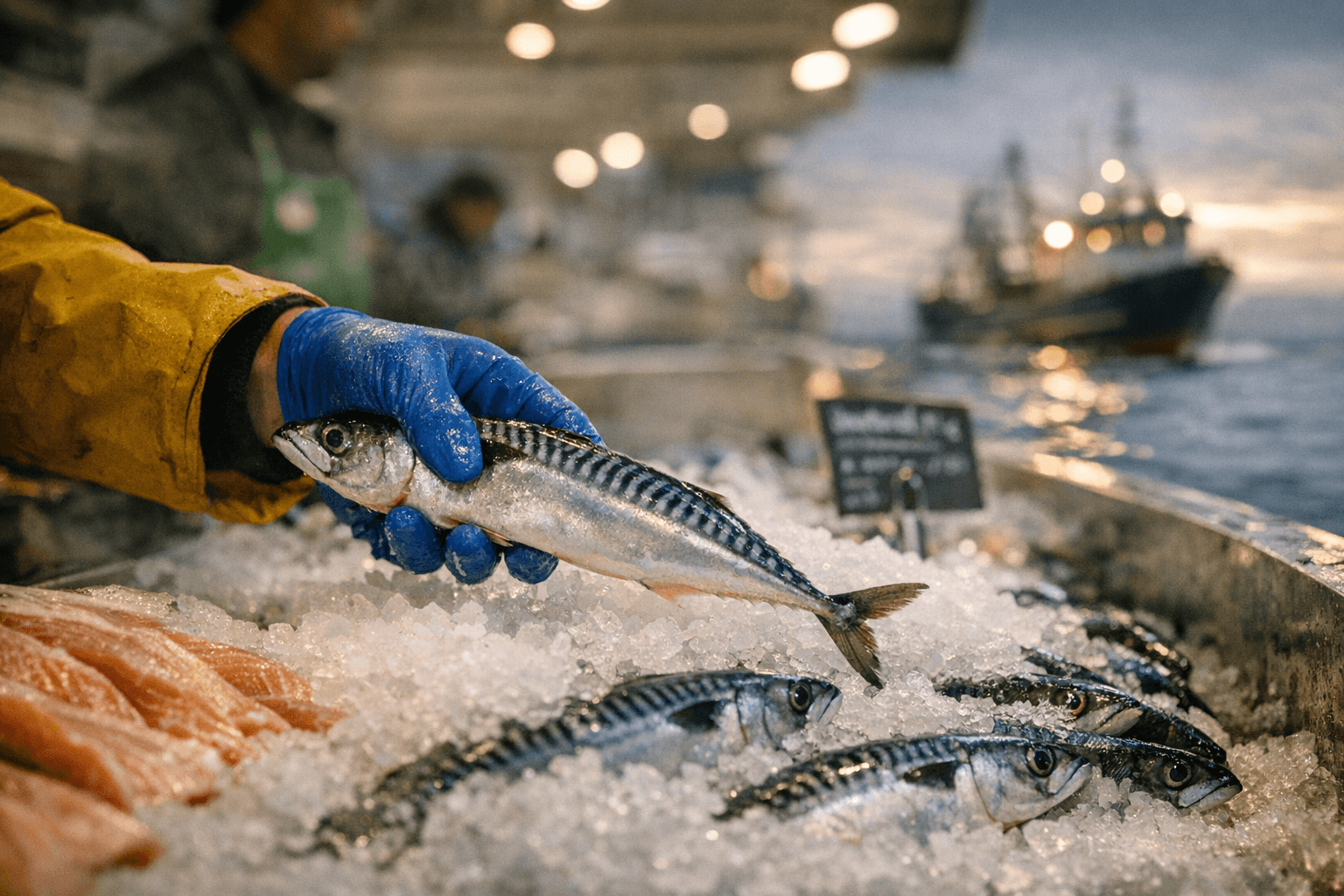
Other voices called for governments to act. Tagholm said: “The responsibility cannot lie entirely with retailers or shoppers. It is the government that sets catch limits, and the government that has failed, year after year, to devise a cogent strategy to end overfishing once and for all. Now, with staple fish like cod and mackerel on the brink of disaster, it must act immediately.”
Waitrose is owned by the John Lewis Partnership; Marija Rompani, the group’s director of ethics and sustainability, framed the move as part of a wider environmental strategy. “We believe sustainable food production must balance climate action, nature protection and responsible fish sourcing is fundamental to protecting our oceans,” she said.
Operationally, Waitrose plans to substitute mackerel products with MSC-certified alternatives and promote species it deems more sustainable and nutritious, including herring, sardines and sea bass. The broader fishing context remains stark: in 2024 UK vessels landed more than 230,000 tonnes of mackerel, making it a major component of British catches.
By taking retail-level action, Waitrose has put pressure on governments and international partners to reconcile scientific advice with quota decisions. Conservationists say retail withdrawal could help reduce pressure on stocks, but they emphasize that durable recovery depends on coordinated international quota-setting and enforcement across the fishery.
Know something we missed? Have a correction or additional information?
Submit a Tip