Wake County warned of budget, autonomy risks in 2026 session
Wake County officials warned commissioners about an unsettled 2026 short session and urged planning for constrained revenues. This matters because local services and staffing could face cuts or changes.

Wake County leaders told the Board of Commissioners at a Jan. 12 briefing that the upcoming 2026 short session of the North Carolina General Assembly is unsettled and could bring budget uncertainty, reductions in local authority, and targeted actions that threaten county programs and staffing. County officials and their lobbyist framed the session as one in which Wake must both defend core services and prepare contingency plans.
The briefing laid out three immediate takeaways for commissioners: assume constrained revenues, prepare contingency actions to protect essential services, and closely monitor proposed bills that could affect county services or funding. Officials emphasized the need for proactive outreach to state legislators as a tool to preserve local discretion over programs and personnel decisions.
The warning comes as counties statewide prepare for a short session that traditionally focuses on budget adjustments and policy measures. For Wake County, the stakes include maintaining public health programs, emergency services, social services and other functions funded or administered at the county level. Officials signaled that uncertainty at the legislature could translate into hiring freezes, delayed capital projects, or reprioritization of spending if revenue assumptions change or if the General Assembly moves to limit local taxing or regulatory authority.
Beyond immediate fiscal planning, the briefing highlighted the political dimension: targeted state actions that reduce local authority would force Wake to adapt how it provides services across growing municipalities such as Raleigh, Cary, Apex and smaller towns in the county. County leaders said defensive budgeting will likely be a central theme for 2026 as they work to avoid steep service reductions while keeping statutory obligations.
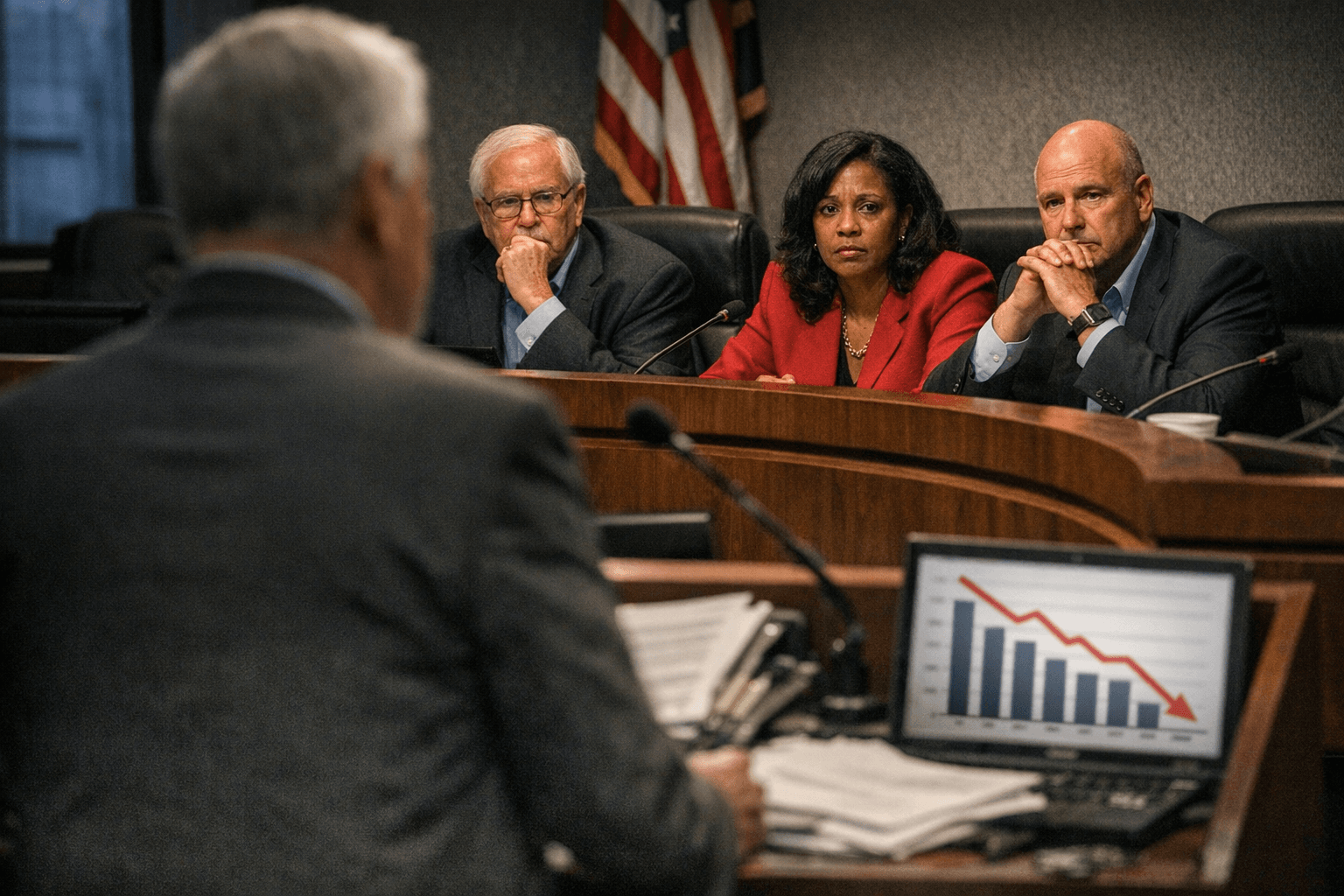
Practical steps discussed at the briefing included identifying essential versus discretionary programs, mapping staffing risks under constrained budgets, and establishing triggers for contingency measures. County staff will track bills at the legislature and report back to commissioners as proposals emerge, enabling the board to weigh adjustments to the fiscal year plan and possible outreach strategies to state lawmakers.
For Wake residents, the briefing means county leadership is preparing for a year of heightened fiscal caution. Expect more public updates from the Board of Commissioners as the short session progresses and as staff present potential budget scenarios. Residents who rely on county-run programs should follow proposed county actions and contact elected representatives if they have concerns about services that affect daily life.
What comes next is a close legislative watch and operational readiness: Wake County will both monitor proposed bills that could alter funding or authority and ready contingency measures to protect core services while seeking to preserve local decision-making.
Sources:
Know something we missed? Have a correction or additional information?
Submit a Tip