Wall Street Claws Back Losses on Trump's Iran War Remarks
Stocks closed higher Monday after Trump signaled the Iran conflict was nearing its end, even as oil topped $100 and stagflation fears mounted.

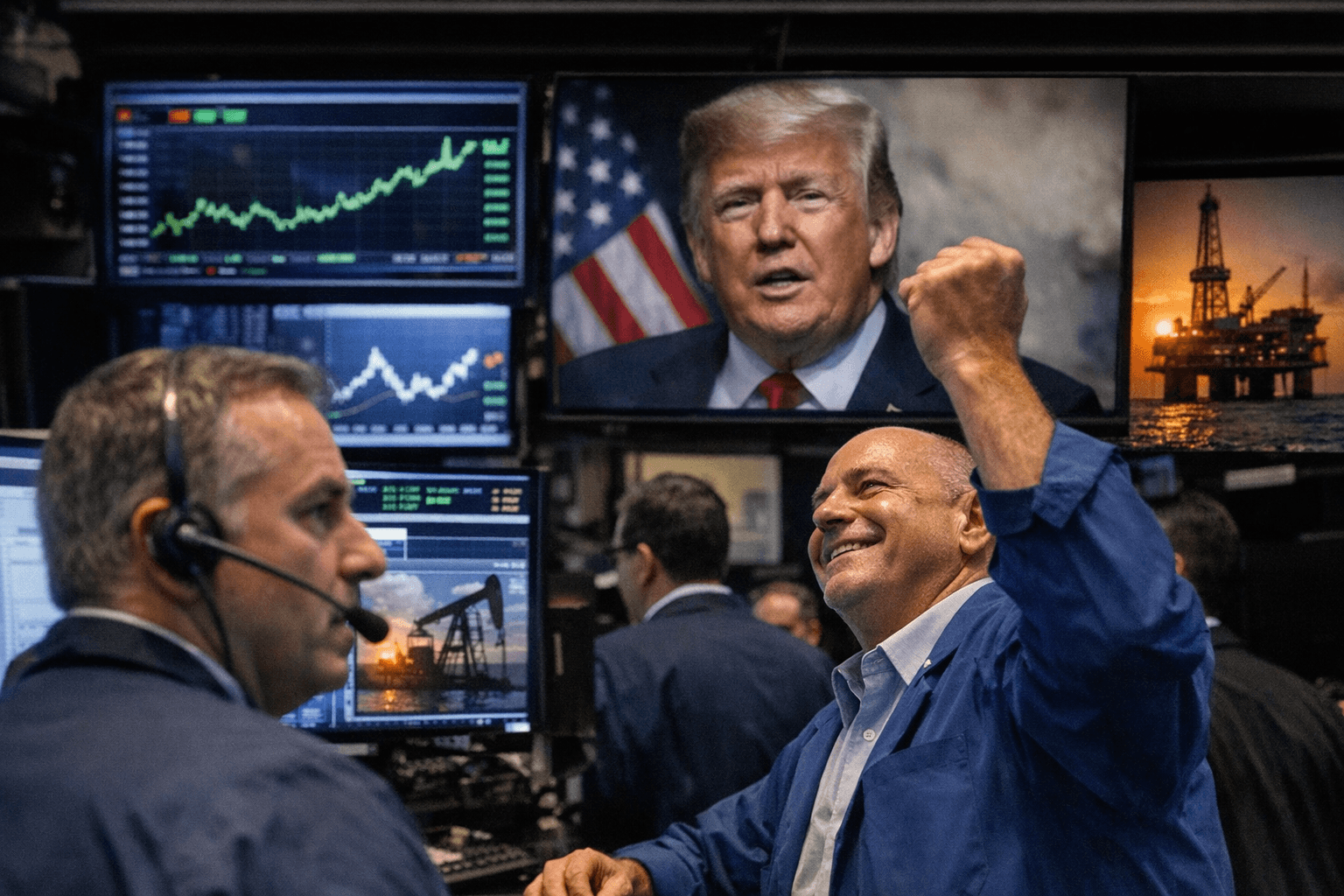
U.S. stocks reversed a steep intraday selloff to close firmly higher Monday, with all three major indexes posting gains after President Donald Trump suggested the 10-day-old war with Iran was closer to resolution than his initial timeline had projected.
Speaking in a CBS News interview Monday afternoon, Trump said the conflict was "very far ahead of schedule" and added, "I think the war is very complete, pretty much." The remarks, which offered little in the way of concrete detail, were nonetheless enough to lift markets out of an earlier rout. The S&P 500 gained 55.97 points, or 0.83 percent, to close at 6,795.99. The Dow Jones Industrial Average added 239.25 points, or 0.50 percent, to 47,740.80. The Nasdaq Composite surged 308.27 points, or 1.38 percent, to 22,695.95.
The late-session rally recouped some of last week's 2 percent decline in the S&P 500, its steepest weekly drop in roughly five months.
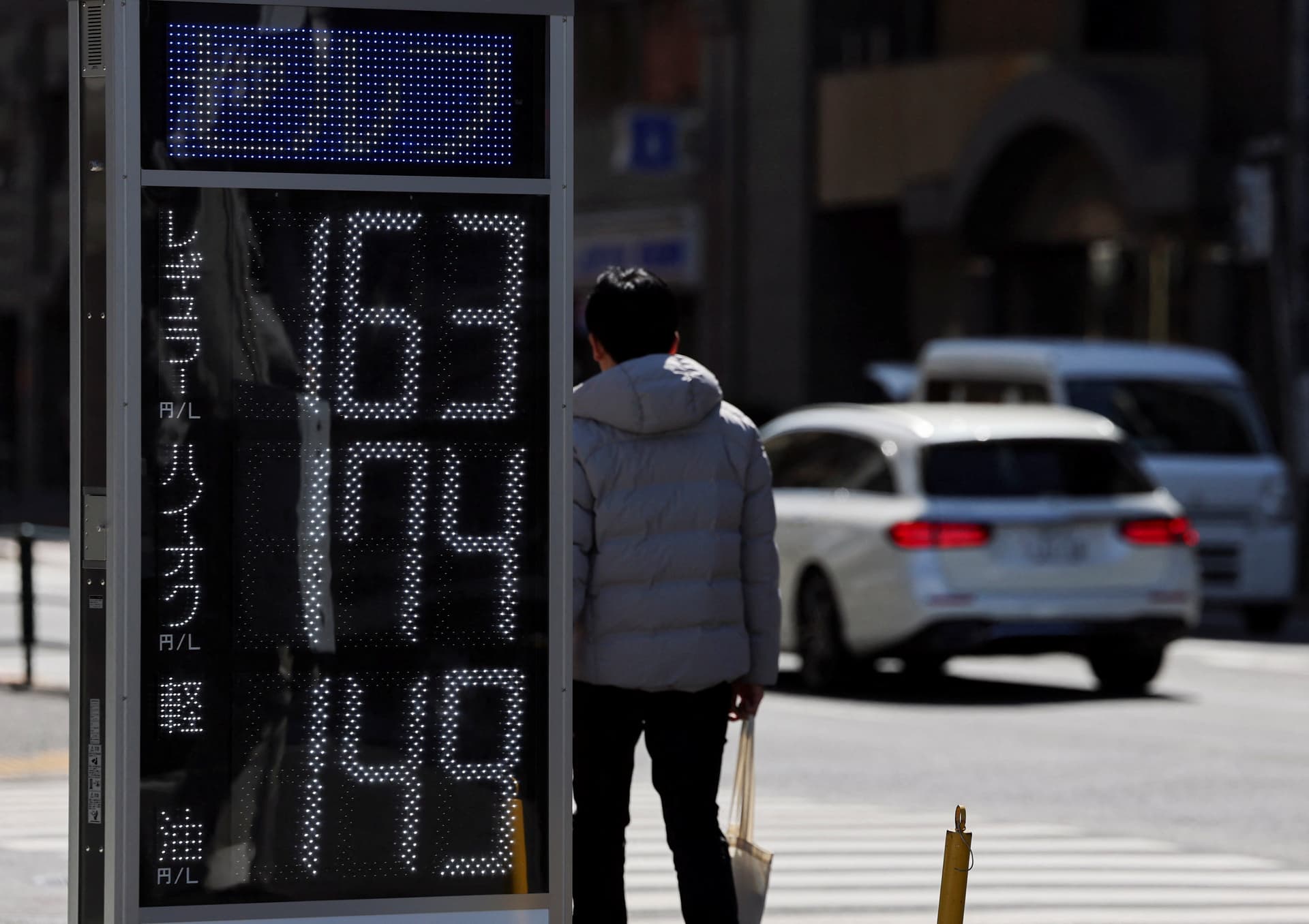
The day had been defined by anxiety. Oil benchmarks surged above $100 a barrel earlier Monday for the first time in nearly four years, driven by shipping disruptions linked to the conflict. Crude prices later pulled back after reports emerged that the Trump administration is considering easing oil sanctions against Russia, which would add supply to a constricted market. Still, the early spike underscored how quickly the conflict is translating into economic pressure at home.
"That weak employment report along with rising energy prices speaks to potential stagflation," said Robert Pavlik, senior portfolio manager at Dakota Wealth in Fairfield, Connecticut. "The Federal Reserve is going to be stuck between a rock and a hard place."
The stagflation concern reflects a difficult bind: rising energy costs push inflation higher while weak jobs data suggests economic momentum is fading, limiting the Fed's room to maneuver. Homebuilder and bank stocks were among the hardest hit during the session before the late rebound.
The geopolitical picture remained murky. De-escalation hopes had dimmed earlier in the day after Iran selected Mojtaba Khamenei to succeed his father as supreme leader, a choice Trump, who has called for Iran's unconditional surrender, deemed unacceptable. Separately, Iranian operatives from the Ministry of Intelligence reached out indirectly to the CIA through another country's spy agency a day after the attacks began, though officials briefed on the outreach are skeptical that either the Trump administration or Iran is really ready for an offramp. The Tehran government is described as being in considerable disarray, raising questions about whether any Iranian officials could actually implement a ceasefire agreement.
European markets also reversed early losses on the session, tracking the improved sentiment around the conflict.
Treasury Secretary Scott Bessent separately drew attention with comments that Trump's global 15 percent tariffs are likely to take effect this week, adding another layer of uncertainty for investors already navigating war, inflation risk, and slowing labor market data.
The market's intraday swings in recent weeks have become a defining feature of this environment, with sentiment pivoting sharply on each new headline. Monday's rebound demonstrates how thin the thread of optimism remains, contingent on presidential statements that remain short on specifics and long on variables no market model can reliably price.
Know something we missed? Have a correction or additional information?
Submit a Tip