Wall Street edges higher as Davos headlines and tariff fears reshape risk appetite
Markets mounted a modest recovery after a sharp sell-off, with investors parsing Davos geopolitical remarks and the potential for new tariffs.
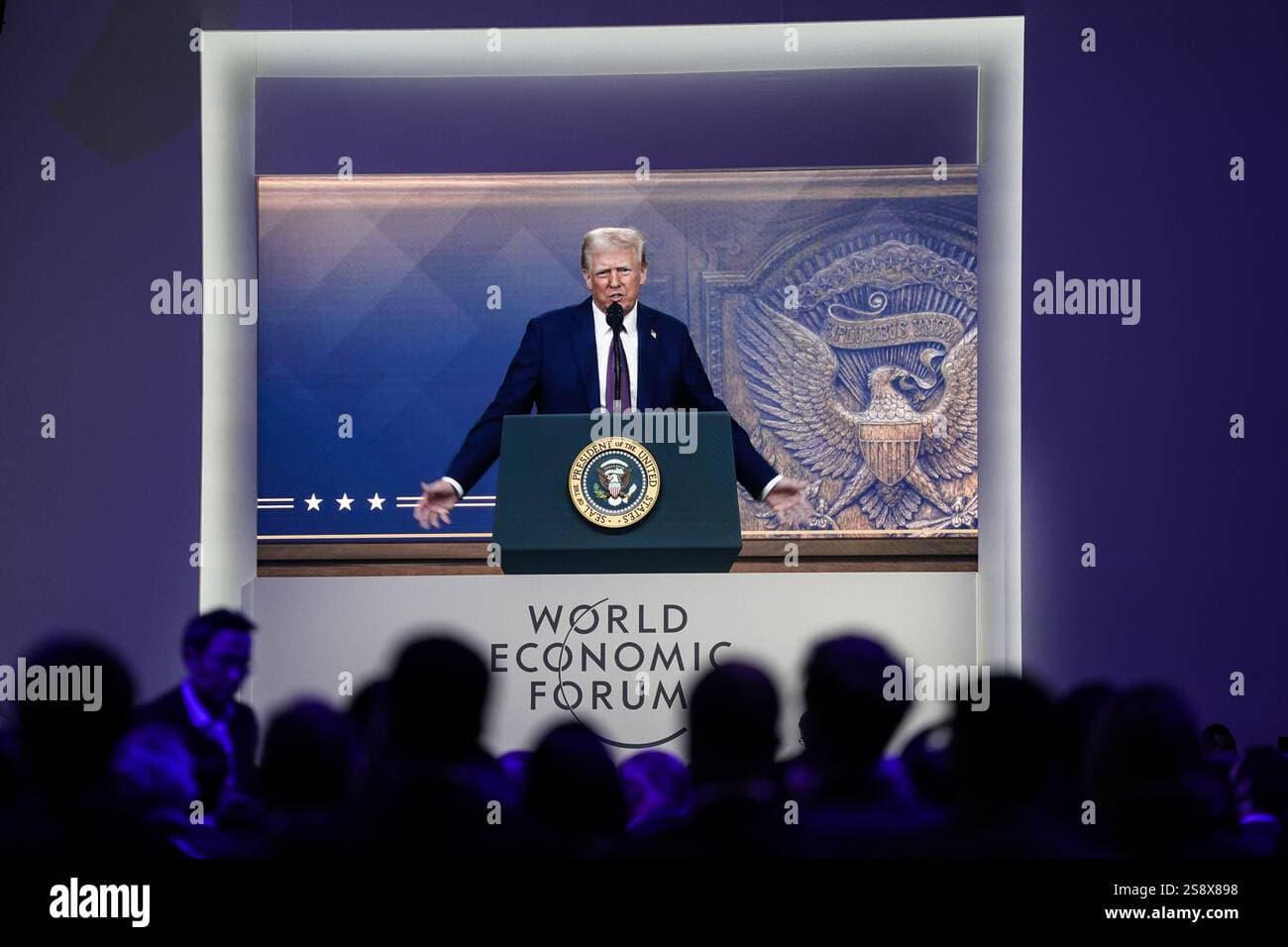
Wall Street staged a tentative rebound Tuesday after tumbling in one of the steepest single-day sell-offs in recent weeks, as investors sifted through geopolitical headlines from the World Economic Forum in Davos and assessed the economic risk of possible new tariffs. Trading was characterized by cautious buying that pared but did not erase losses, reflecting elevated uncertainty around trade policy and political remarks reverberating through global markets.
Equity markets opened firmer after a wave of selling sent major benchmarks sharply lower the previous session. The bounce was modest rather than decisive, with market participants highlighting the thin line between relief rallies and renewed volatility when policy risk is unclear. Volatility indicators and trading flows suggested investors were using the rally to reduce short-term exposure rather than to re-establish aggressive risk positions.
The focus in Davos intensified after public comments from President Trump about Greenland, which market strategists said amplified geopolitical risk premiums by underscoring elevated political unpredictability among major economies. Traders also highlighted the prospect of new tariffs under discussion, viewing fresh trade barriers as a near-term shock to profit margins and global supply chains. The combination of unpredictable political rhetoric and concrete trade policy moves has reinforced a narrative that corporate earnings, already under pressure from tighter financial conditions, could face additional headwinds.
From a macroeconomic perspective, renewed tariff activity would be inflationary in the near term by lifting input costs and disrupting international supply chains, while weighing on growth through reduced trade and investment. That dual effect presents a dilemma for central banks that are currently navigating the trade-off between taming inflation and avoiding a sharp slowdown. Market participants judged that any meaningful escalation in tariff policy could complicate the Federal Reserve's data-dependent path and push risk premia higher across asset classes.
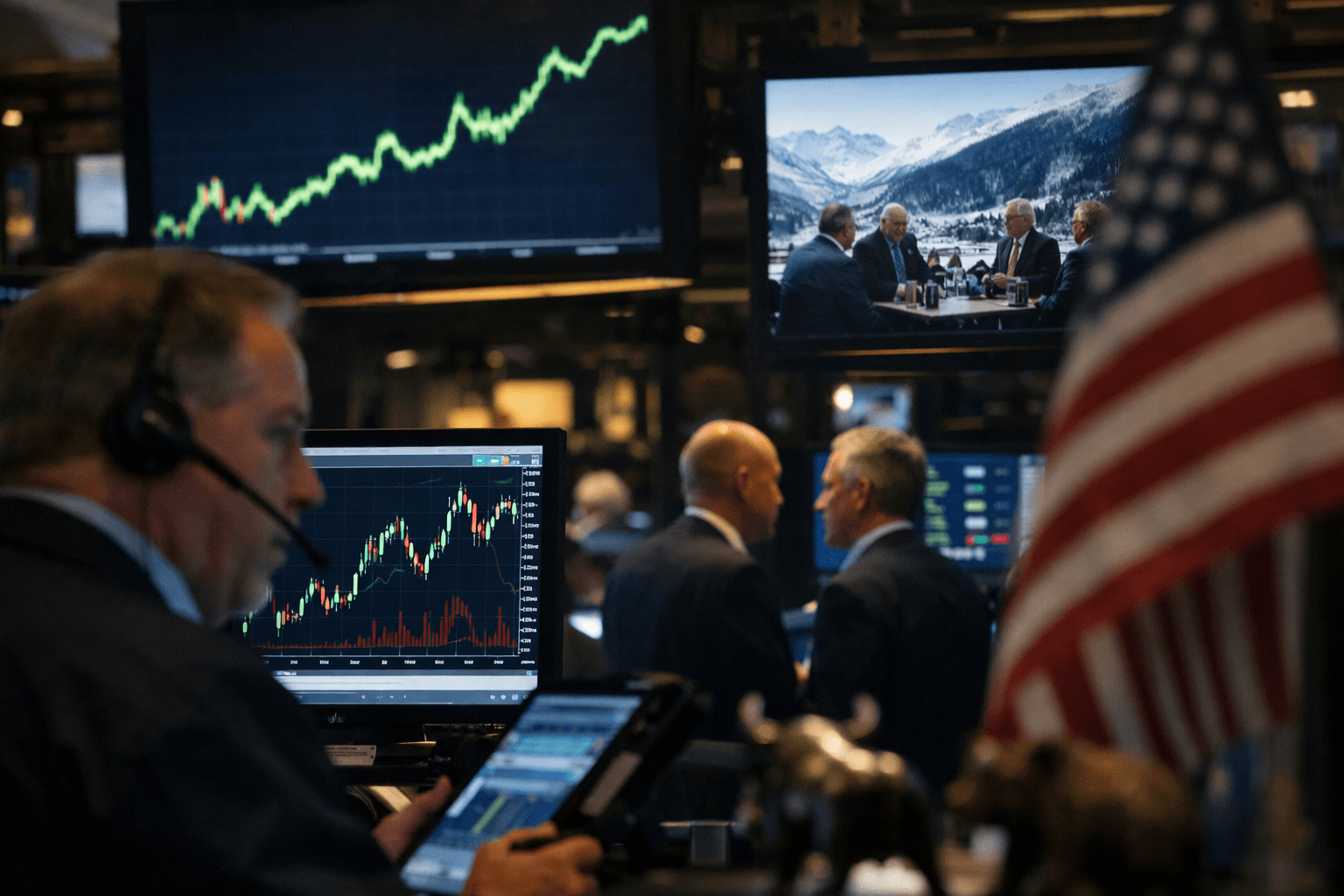
Portfolio managers are recalibrating exposure to cyclical sectors that are most sensitive to trade costs and global growth, while favoring defensive earnings streams and companies with domestic-focused revenue. The sell-off and subsequent modest recovery have also renewed interest in hedges and cash buffers, with investors treating Davos as a live event that can translate commentary and policy signals into market-moving outcomes.
Looking longer term, analysts said the episode underscores a persistent trend: geopolitical and policy uncertainty have become central drivers of equity volatility and capital allocation decisions. Companies facing higher trade friction are likely to accelerate supply-chain diversification and reshoring where feasible, a structural shift that could support investment in some regions while raising costs elsewhere.
For now, volatility is expected to remain elevated as Davos continues and as policymakers signal intentions on trade. Markets will likely remain sensitive to incremental headlines, with investors scanning data and speeches for clearer guidance on the trajectory of both trade policy and central bank reaction functions.
This article was produced by Prism’s automated news system from verified source data, official records, and press releases, then run through automated quality and moderation checks before publishing. The system is built and supervised by the people who set the standards it runs under. Read our full AI policy.
Did this article answer your question?
%3Amax_bytes(150000)%3Astrip_icc()%2FCertificate-of-deposit-2301f2164ceb4e91b100cb92aa6f868a.jpg&w=1920&q=75)