Wall Street leverage costs surge as stock rally continues
Primary dealers’ equity repo exposure climbed above $220 billion as the stock rally kept rising, making borrowed-money trades more expensive and less forgiving.

Primary dealers were carrying record equity repo exposure above $220 billion as the cost of borrowing to support Wall Street’s stock rally kept climbing. The pressure is landing on the big banks that finance leveraged exchange-traded products, options strategies and hedge-fund positions, even as stocks keep pushing higher.
Repo, short for repurchase agreements, is the short-term market where traders borrow cash against securities and repay the loan later. The New York Fed updates primary dealer statistics every Thursday. The Office of Financial Research dataset tracks positions, transactions, financing and fails. Some measures of stock-financing costs were already at record levels in data going back to late 2020, outside the year-end funding squeezes that can distort the market.
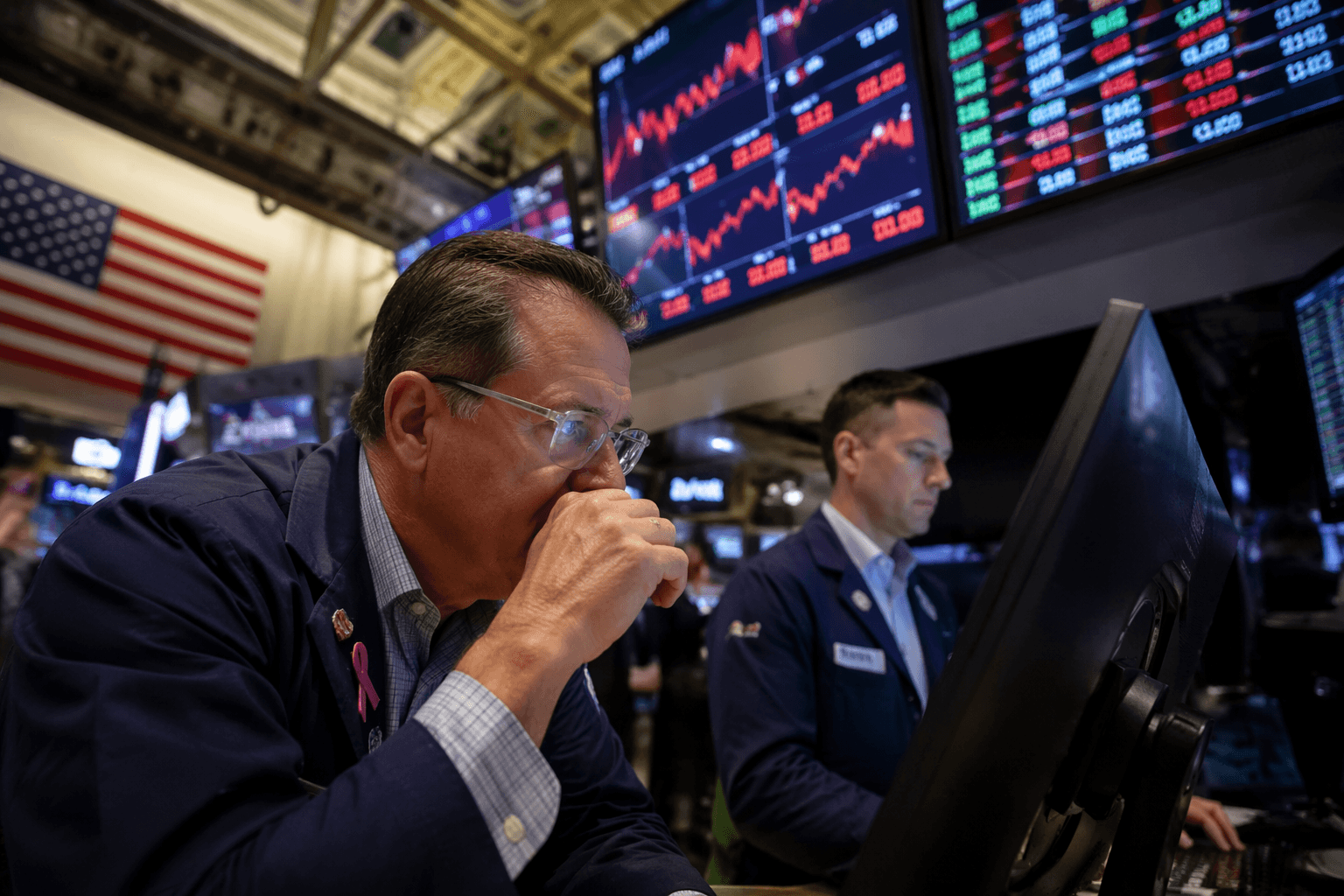
The most exposed parts of Wall Street are the trades built on cheap leverage. Direxion data in February showed leveraged-fund trading volumes grew at a 29% compound annual rate from 2020 to 2025, while options trading volumes rose 16% a year over the same stretch. Average daily options volume was projected to reach 58 million in 2025.
The rally itself has remained strong. The Dow, S&P 500 and Nasdaq closed at records for a fifth straight day on June 2, and the Nasdaq Composite had already notched 20 record closes this year as AI spending on chips and other goods helped drive profit growth. The Nasdaq Composite covers more than 2,500 companies. Morgan Stanley's May analysis found the rebound has been fueled by heavy AI infrastructure spending and rising earnings expectations, but gains are concentrated in a small group of stocks and rising long-term rates remain a risk.
This article was produced by Prism’s automated news system from verified source data, official records, and press releases, then run through automated quality and moderation checks before publishing. The system is built and supervised by the people who set the standards it runs under. Read our full AI policy.
Did this article answer your question?